Why Paanajärvi National Park stands out
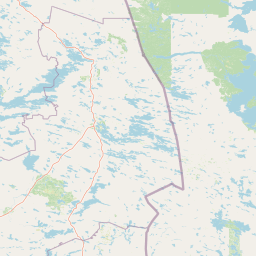
Paanajärvi is best known for its extensive old-growth taiga forests, its position along the Finnish-Russian border, and the presence of Nuorunen, Karelia's highest mountain. The park represents one of Europe's last great wilderness areas of intact boreal forest, protecting a landscape that exemplifies the classic Scandinavian and Russian taiga ecoregion. Its designation as a PAN Parks certified wilderness area further distinguishes it as a destination of international conservation significance.
Paanajärvi National Park history and protected-area timeline
Paanajärvi National Park was established in 1992 during a period of significant environmental policy development in post-Soviet Russia. The creation of the park represented a commitment to preserving the remaining old-growth forests of Karelia, a region that had experienced substantial timber extraction in the preceding decades. The park's establishment also reflected growing international cooperation in environmental protection, particularly with neighboring Finland, with which Russia shares the Karelian border landscape. The designation of the adjacent Oulanka National Park on the Finnish side created a contiguous cross-border protected area, one of the first such arrangements between Russia and a European Union member state. The park's subsequent receipt of PAN Parks certification provided international recognition of its wilderness values and helped establish its reputation as a destination for ecologically conscious visitors seeking to experience authentic taiga wilderness.
Paanajärvi National Park landscape and geographic character
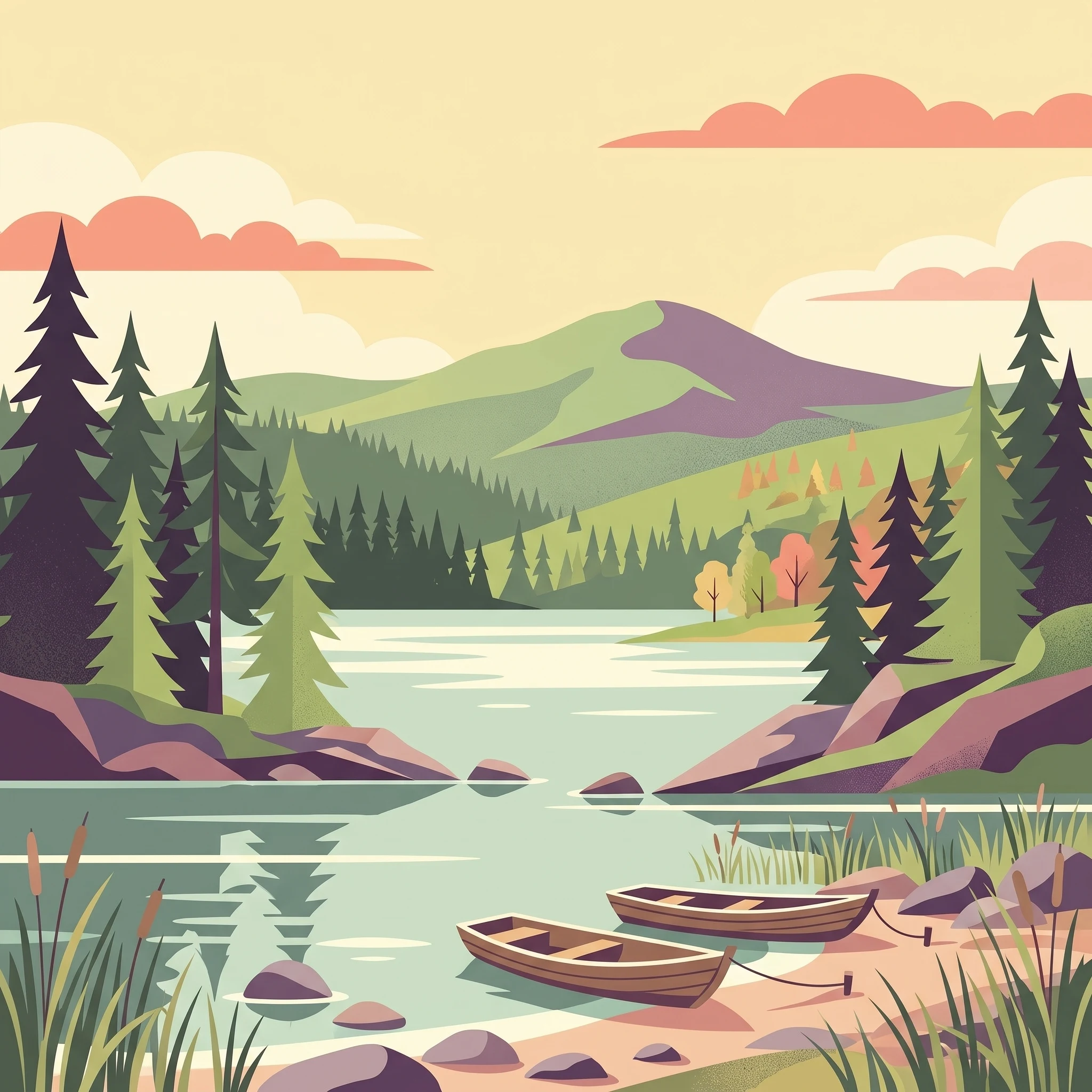
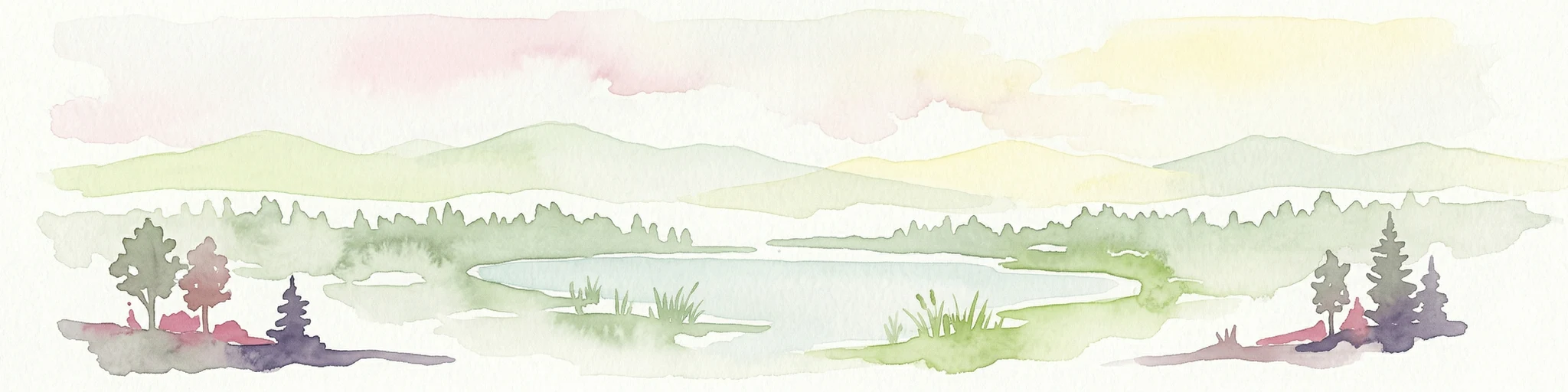
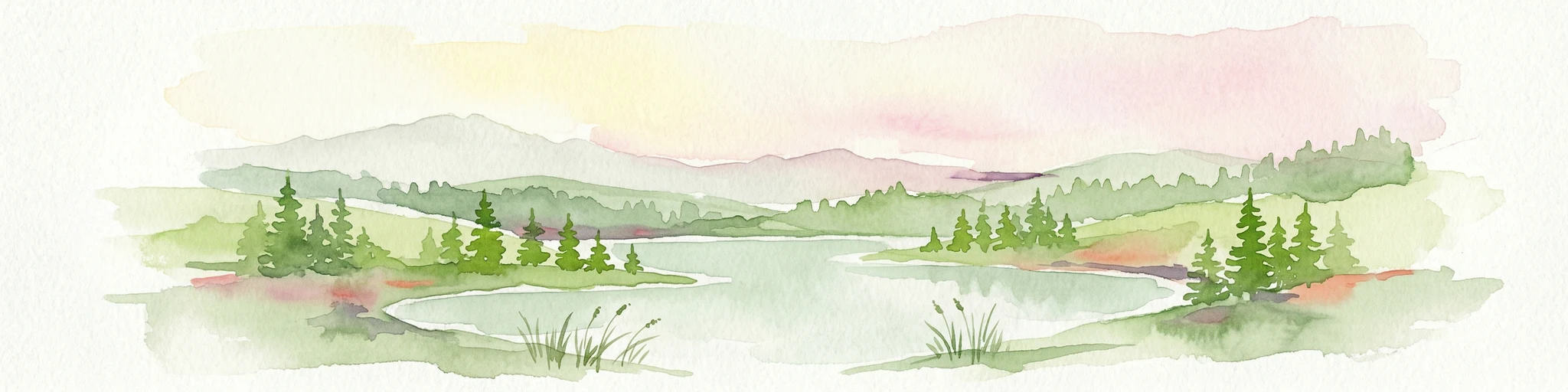
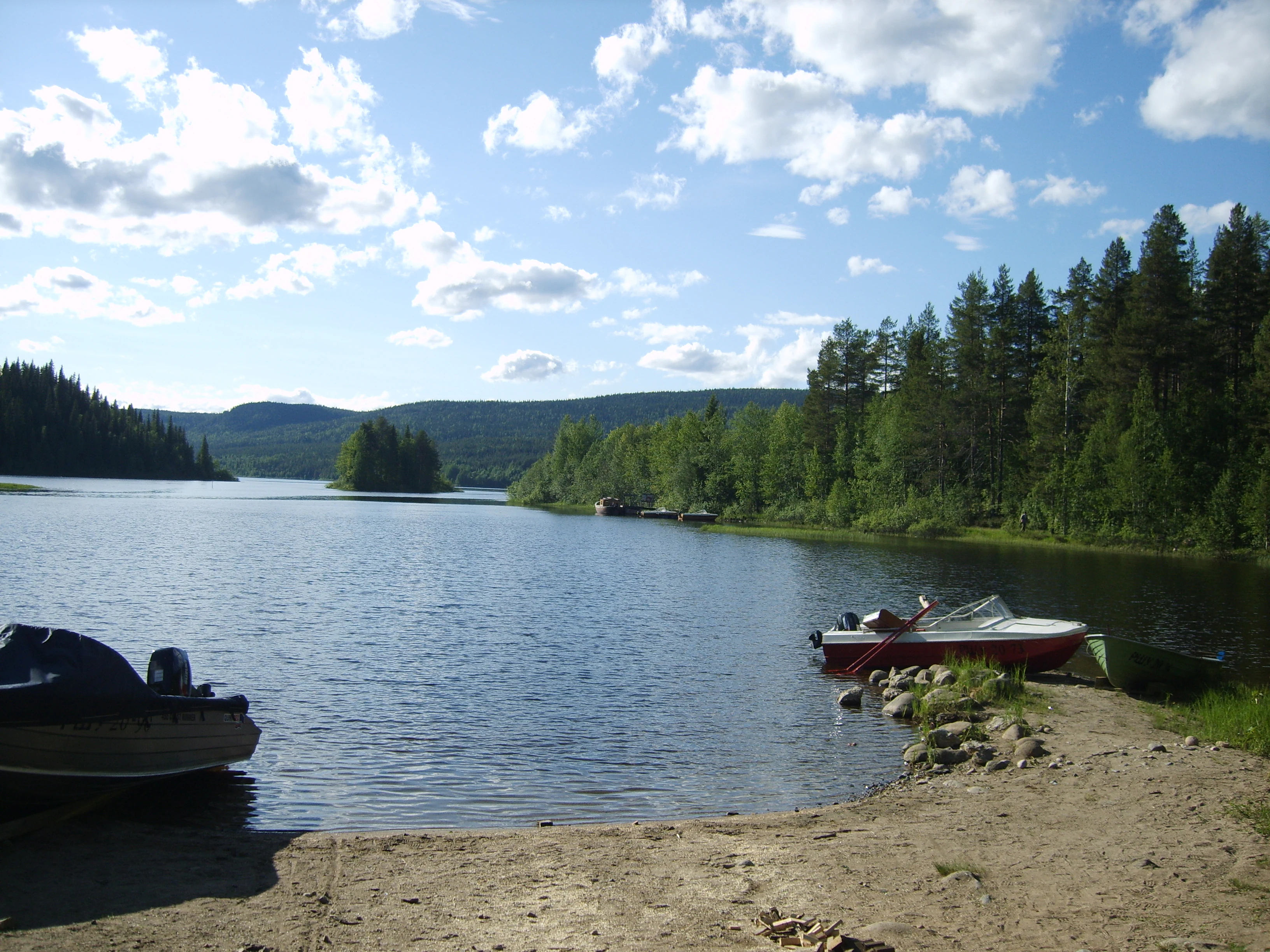
The landscape of Paanajärvi National Park is defined by the rolling hills of the Maanselkä region, a geological formation that extends across the Karelian border area. The terrain rises from approximately 100 meters above sea level in the lake-filled lowlands to the summit of Nuorunen at 347 meters, the highest point in Karelia. This modest but prominent peak rises distinctly above the surrounding forested hills, providing sweeping views across the protected landscape. The park's name translates from Finnish as 'Paanajärvi,' reflecting the numerous lakes that dot the terrain. These water bodies, connected by streams and rivers, create a landscape of islands, peninsulas, and wetlands interspersed with forested ridges. The forest cover is predominantly coniferous, with Norway spruce and Scots pine forming the dominant canopy species, interspersed with birch in younger successional areas. The combination of lake, river, and forest habitats creates a landscape of exceptional visual diversity within the boreal zone.
Paanajärvi National Park ecosystems, habitats, and plant life
Paanajärvi protects a representative example of the Scandinavian and Russian Taiga ecoregion, one of the largest remaining areas of intact boreal forest in Europe. The park's forests range from old-growth stands where centuries-old pines and spruces have persisted without significant disturbance to younger forests that have regenerated following historical fires or windthrow events. The northern boreal climate shapes a ecosystem characterized by long, cold winters and brief but productive growing seasons. Lakes and rivers throughout the park support aquatic ecosystems adapted to the region's oligotrophic waters, which are typically clear and nutrient-poor. The riparian zones where water meets forest create ecologically important transition habitats that support species adapted to both aquatic and terrestrial environments. This combination of forest, wetland, and aquatic habitats makes the park a stronghold for boreal biodiversity.
Paanajärvi National Park wildlife and species highlights
The wildlife of Paanajärvi reflects the classic taiga fauna of northern Europe, with species adapted to the region's harsh seasonal climate. The old-growth forests provide habitat for species dependent on decaying wood and complex forest structure, including various woodpecker species, cavity-nesting birds, and invertebrates that require veteran trees. Mammals common to the Karelian taiga include elk, which frequent the forest edges and wetland areas, along with smaller species such as red squirrels, hares, and mustelids including pine marten and least weasel. The lakes and rivers support fish populations including perch, pike, and grayling, while the wetland areas provide important breeding habitat for waterfowl. The park's position along the Finnish-Russian border means that species distributions reflect both European and Russian biogeographic influences.
Paanajärvi National Park conservation status and protection priorities
Paanajärvi National Park represents a significant conservation achievement in the protection of Europe's boreal forest heritage. The park's inclusion in the PAN Parks network, a certification system recognizing wilderness areas of international significance, confirms its ecological importance and the effectiveness of its protection regime. The park's contiguous boundary with Oulanka National Park in Finland creates a cross-border protected area exceeding 1,500 square kilometers, representing one of the largest continuously protected landscapes in northern Europe. This transboundary cooperation enables the preservation of ecological processes that operate across international boundaries, including wildlife migration, watershed protection, and the maintenance of old-growth forest dynamics across a broad geographical area.
Paanajärvi National Park cultural meaning and human context
The cultural context of Paanajärvi reflects the historical connection between the Karelian region and the broader Finnish cultural sphere. The park's name derives from Finnish, as the area historically fell within zones of Finnish-speaking population before twentieth-century border changes. The landscape has supported traditional livelihoods including fishing, hunting, and forest use for generations, though the protected area status now limits such activities within its boundaries. The region's strategic position along the Finnish-Russian border has given it historical significance, though the current protected status reflects a shift toward peaceful environmental cooperation between the neighboring countries.
Top sights and standout views in Paanajärvi National Park
The defining highlights of Paanajärvi include the opportunity to experience genuine wilderness in one of Europe's most intact boreal landscapes, the chance to climb Nuorunen for views across the highest terrain in Karelia, and the experience of exploring a landscape of lakes, rivers, and old-growth forest that represents the classic Karelian taiga. The park's PAN Parks certification offers assurance of authentic wilderness character and meaningful conservation protection. The cross-border connection to Oulanka National Park creates possibilities for experiencing a transboundary protected area spanning the Finnish-Russian frontier.
Best time to visit Paanajärvi National Park
The best time to visit Paanajärvi National Park coincides with the brief but spectacular Finnish summer, when long daylight hours allow extended exploration of the trail systems and the landscape is at its most accessible. June through August brings warm temperatures, accessible waterways, and the opportunity to experience the full vitality of the boreal growing season. Winter visits offer the contrasting experience of snow-covered taiga, with cross-country skiing and winter wildlife tracking providing alternative ways to explore the frozen landscape. The shoulder seasons of late spring and early autumn bring fewer visitors and the opportunity to witness seasonal transitions in the boreal environment, though weather conditions can be more variable.