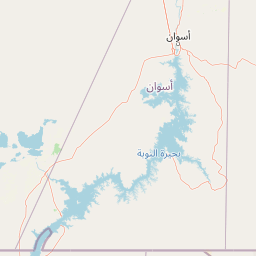
Why Saluga and Ghazal Protectorate stands out
Saluga and Ghazal Protectorate is best known for preserving some of the only remaining fragments of natural nilotic vegetation in the Nile Valley, a landscape that has been largely transformed by agriculture and development. The islands support exceptional botanical diversity with around 94 plant species, including vegetation types that once characterized the entire Nile floodplain before human modification. The protected area also serves as a critical habitat for waterbirds and other characteristic Nile fauna, making it an important ecological island within a heavily altered landscape.
Saluga and Ghazal Protectorate history and protected-area timeline
The Saluga and Ghazal Protectorate was formally established in 1986 as part of Egypt's expanding network of protected areas managed by the Egyptian Environmental Affairs Authority. The designation responded to growing recognition that the natural nilotic vegetation communities of the Nile Valley had been nearly eliminated by centuries of agricultural development and river modification. These two islands, situated downstream of the Aswan Dam, had retained vegetation communities that had disappeared from mainland areas, making them increasingly valuable as conservation relics. The establishment reflected a broader Egyptian commitment to preserving representative samples of the country's diverse ecosystems, from desert environments to riverine habitats. The protectorate's management has focused on maintaining the biological integrity of the islands while addressing threats from human activities, particularly the fire hazards posed by careless use of fire on adjacent mainland areas.
Saluga and Ghazal Protectorate landscape and geographic character
The Saluga and Ghazal Protectorate occupies two islands within the Nile River channel, creating a riverine landscape distinct from the desert and agricultural environments that dominate the surrounding region. The islands rise slightly above the river's surface, supporting lush vegetation that contrasts sharply with the arid terrain on either bank. The Nile flows past these islands in a relatively slow, meandering pattern at this point in its course, creating conditions that support extensive wetlands and riparian vegetation communities. The landscape represents a narrow band of green along the river, visible from the Aswan waterfront as a natural oasis amid the otherwise brown and golden hues of the eastern Sahara. The visual impact of these vegetated islands against the desert backdrop has made them a recognizable element of the Aswan scenic landscape.
Saluga and Ghazal Protectorate ecosystems, habitats, and plant life
The ecological significance of the Saluga and Ghazal Protectorate stems primarily from its preservation of natural nilotic vegetation communities that have been largely eliminated from the Nile Valley. The islands support approximately 94 plant species, representing botanical diversity that exists almost nowhere else in the region. These vegetation communities include characteristic nilotic species adapted to the seasonal flooding patterns and river environment that historically defined the Nile floodplain. The islands function as ecological refugia, maintaining plant communities that evolved under natural river conditions before the construction of dams and the expansion of irrigation agriculture transformed the valley. The riparian habitat also creates conditions favorable to diverse invertebrate communities and supports the base of food webs that sustain the area's bird and animal populations.
Saluga and Ghazal Protectorate wildlife and species highlights
The Saluga and Ghazal Protectorate shelters diverse birdlife characteristic of Nile River habitats, with the islands serving as important nesting, feeding, and resting areas for species that depend on riverine environments. The vegetation provides shelter and foraging opportunities for numerous bird species, while the water surrounding the islands offers feeding grounds for waterbirds. The protected area maintains populations of characteristic Nile fauna that have largely disappeared from mainland areas as the surrounding landscape has been modified for agriculture and development. The islands' isolation within the river channel provides some protection from the pressures that have affected wildlife populations in adjacent terrestrial environments, allowing these river-dependent species to persist in a region where suitable habitat has become increasingly scarce.
Saluga and Ghazal Protectorate conservation status and protection priorities
The Saluga and Ghazal Protectorate plays an outsized role in Egypt's conservation network relative to its small size, preserving vegetation types and ecological communities that exist virtually nowhere else in the Nile Valley. The islands represent irreplaceable repositories of genetic material and ecological processes that have been eliminated from the vast majority of the valley's former natural areas. Conservation of these islands is complicated by their position within a heavily modified river system and their exposure to pressures from the surrounding mainland, including fire risk from human activities. The protected area demonstrates both the vulnerability of isolated riverine habitats and their critical importance as refugia for biodiversity in heavily altered landscapes. Maintaining the ecological integrity of these islands requires ongoing management attention to both internal conservation needs and external threats originating from adjacent human-modified landscapes.
Saluga and Ghazal Protectorate cultural meaning and human context
The name "Salouga" derives from the ancient Nubian language, in which it means waterfall, connecting these islands to the linguistic heritage of the Nubian peoples who historically inhabited this region of the Nile Valley. This linguistic connection underscores the long human relationship with the river and its seasonal patterns, as the term reflects the dynamic hydrological character of this part of the Nile where water movement created the conditions for the rapids or small waterfalls that gave the islands their name. The protectorate lies in a region of exceptional cultural significance, where ancient Egyptian and Nubian civilizations developed along the Nile's banks and where contemporary Egyptian and Nubian communities maintain connections to traditional land-use practices. The islands themselves, while now protected from direct human settlement and cultivation, exist within a cultural landscape shaped by centuries of agricultural and pastoral activities along the Nile.
Top sights and standout views in Saluga and Ghazal Protectorate
The Saluga and Ghazal Protectorate preserves some of the only remaining natural nilotic vegetation in the Nile Valley, representing an ecological relic of the pre-agricultural landscape that once dominated this region. The islands support approximately 94 plant species in a concentrated riparian habitat, creating remarkable botanical diversity within a small area. The protected area provides critical habitat for Nile-dependent bird species and other wildlife in a region where natural habitats have been largely eliminated. The scenic value of these vegetated islands against the desert backdrop has made them a long-standing element of the Aswan tourism landscape, offering visitors a glimpse of the natural Nile that existed before extensive human modification.
Best time to visit Saluga and Ghazal Protectorate
The Saluga and Ghazal Protectorate can be visited year-round, though the experience varies with Egypt's seasonal climate. The winter months from November through February offer the most comfortable temperatures for viewing the islands and their wildlife, with mild days ideal for boat tours and birdwatching activities. Summer months bring higher temperatures that may reduce the comfort of extended outdoor activities on the water. The Nile's water levels fluctuate seasonally, affecting the visual relationship between the islands and the river channel. The best wildlife viewing opportunities occur during migration seasons when additional bird species pass through the area, though the resident avifauna is present throughout the year.