Why Santuario Orito Indí-Andé Fauna and Flora Sanctuary stands out
The sanctuary is best known for its dedicated protection of medicinal plants, most notably the yoco vine (Paullinia), which has traditional uses among indigenous communities throughout the Amazon basin. The protected area serves as a living repository of plant species with documented medicinal properties, preserving them from agricultural expansion, deforestation, and other threats that have depleted similar ecosystems throughout the region. Beyond its botanical significance, the sanctuary protects a transitional zone where Andean cloud forests give way to Amazonian lowland forests, creating unique ecological conditions that support high levels of biodiversity and endemism.
Santuario Orito Indí-Andé Fauna and Flora Sanctuary history and protected-area timeline
The Santuario Orito Indí-Andé was officially established on June 12, 2008, through a decree that designated the area as a sanctuary of flora focused specifically on protecting medicinal plant species. The creation of this protected area emerged from a broader initiative by Colombia's National Parks unit (Parques Nacionales Naturales de Colombia) to expand protection for ecologically significant but previously unprotected zones in the Amazonian region. Prior to its establishment, the area faced increasing pressure from agricultural conversion, particularly for coca cultivation and pasture development, activities that threatened the delicate forest ecosystems and the medicinal plant populations they contained. The sanctuary's designation reflected input from local communities and environmental scientists who recognized the irreplaceable value of the region's plant diversity, including species with documented therapeutic properties used in both traditional medicine and potential pharmaceutical development. The management of the sanctuary falls under Colombia's Sistema Nacional de Áreas Protegidas (SINAP), which coordinates conservation efforts across federal, departmental, and municipal levels.
Santuario Orito Indí-Andé Fauna and Flora Sanctuary landscape and geographic character
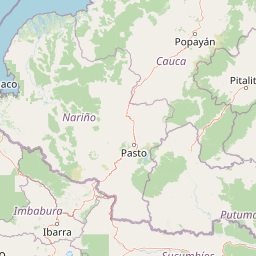
The sanctuary occupies a dramatic landscape defined by the intersection of the Andes mountain range and the Amazon basin, with the southern slopes of Cerro Patascoy forming the ecological backbone of the protected area. Cerro Patascoy is a prominent mountain in the border region between Colombia and Ecuador, rising to significant elevations that create distinct altitudinal zones within the sanctuary. The terrain features steep slopes, narrow valleys, and numerous watercourses that drain toward the Amazon basin, contributing to the region's importance as a water catchment area. Forest cover ranges from dense cloud forest at higher elevations to more open canopy forest in the lower foothills, with the vegetation structure influenced by both elevation and the transitional nature of the ecosystem. The area receives substantial rainfall typical of the Amazonian foothills, supporting lush vegetation and maintaining the humid conditions essential for the survival of many medicinal plant species.
Santuario Orito Indí-Andé Fauna and Flora Sanctuary ecosystems, habitats, and plant life
The nature of this sanctuary is defined by its exceptional plant diversity and the ecological transition between Andean and Amazonian biomes. The protected area contains numerous plant species with documented medicinal properties, representing a living pharmacy that has supported indigenous and local communities for generations. The yoco plant (Paullinia), a climbing vine with stimulant properties, stands out as one of the most culturally significant species within the sanctuary, traditionally consumed by Amazonian peoples for its energizing effects. Beyond medicinal species, the forest supports a wide array of flora including numerous families of trees, epiphytes, ferns, and orchids that characterize healthy tropical forest ecosystems. The transitional nature of the landscape, where Andean cloud forests meet Amazonian lowland forests, creates unique conditions that support species from both biomes and often produces elevated levels of endemism in the plant communities.
Santuario Orito Indí-Andé Fauna and Flora Sanctuary wildlife and species highlights
While the sanctuary is most famous for its medicinal plant protection, the area also supports significant wildlife populations typical of Amazonian and Andean foothill ecosystems. The forests provide habitat for numerous bird species, including many that are characteristic of the regional avifauna in the Putumayo and Nariño border regions. Mammals likely present include species adapted to both forest strata, from ground-dwelling peccaries and tapirs to arboreal primates and small mammals. The presence of watercourses throughout the sanctuary supports aquatic and semi-aquatic species, while the diverse forest structure provides niches for countless invertebrate groups that form the base of the ecological food web. While specific species counts are not detailed in available sources, the general biodiversity of the region is well-documented, with the Putumayo and Nariño departments consistently ranking among Colombia's most species-rich areas.
Santuario Orito Indí-Andé Fauna and Flora Sanctuary conservation status and protection priorities
The establishment of Santuario Orito Indí-Andé represents a conservation priority for Colombia, addressing the need to protect both medicinal plant species and the broader ecosystem they depend upon. The sanctuary's category III IUCN designation as a natural monument reflects its focus on preserving outstanding natural features, in this case the remarkable concentration of medicinal plant species found within its boundaries. The protected area contributes to Colombia's broader conservation network by preserving a corridor of forest that connects higher-elevation Andean ecosystems with Amazonian lowland forests, supporting biodiversity conservation across multiple ecological zones. The protection of this area also helps preserve the traditional ecological knowledge associated with medicinal plants, as many species within the sanctuary have been used by indigenous communities for generations. Conservation challenges in the region include pressure from agricultural expansion, logging, and infrastructure development, making the protected status essential for long-term preservation of the area's unique natural values.
Santuario Orito Indí-Andé Fauna and Flora Sanctuary cultural meaning and human context
The sanctuary exists within a region of significant cultural importance, home to indigenous communities whose traditional knowledge of medicinal plants has been developed over centuries of interaction with the local ecosystem. The name Orito Indí-Andé reflects the indigenous heritage of the region, incorporating terms that connect to local cultural identity and the traditional relationship between communities and their environment. The Putumayo Department in particular has a complex history involving indigenous communities, historical exploitation during the rubber boom period, and more recent challenges related to armed conflict and coca cultivation. The establishment of the sanctuary represents an effort to recognize and protect the value of traditional knowledge about medicinal plants, ensuring that these resources remain available for future generations while providing alternative economic possibilities based on sustainable use and conservation.
Top sights and standout views in Santuario Orito Indí-Andé Fauna and Flora Sanctuary
The sanctuary stands out for its focused mission of protecting medicinal plant species in one of Colombia's most biodiverse regions, creating a protected area that preserves both ecological systems and traditional knowledge about plant-based medicine. The combination of Andean and Amazonian ecosystems within a single protected area creates remarkable habitat diversity, supporting species from two major biomes in a relatively compact territory. The presence of the yoco plant and other documented medicinal species provides the sanctuary with a distinctive conservation identity that distinguishes it from other protected areas in Colombia. The location near Pasto, the largest city in southern Colombia, makes the sanctuary relatively accessible for research and conservation activities while still maintaining the isolation necessary for effective protection.
Best time to visit Santuario Orito Indí-Andé Fauna and Flora Sanctuary
Visiting the sanctuary is best planned during the drier seasons typical of the region, which generally fall between December and March, when precipitation levels are lower and trail conditions are more favorable for exploration. However, visitors should be prepared for the humid conditions that characterize this Amazonian foothill region year-round, as rainfall can occur in any season given the transitional climate. The dry season often offers better opportunities for wildlife observation as animals concentrate around remaining water sources, while the wet season showcases the region's lush vegetation and full river systems. Temperature variations are minimal due to the equatorial location, with the primary environmental factor being elevation, which can bring cooler conditions at higher elevations within the sanctuary.