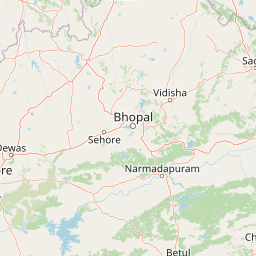
Why Satpura National Park stands out
Satpura National Park is best known as a premier tiger reserve in central India, protecting one of the country's most significant populations of Bengal tigers within a rugged mountain landscape. The park is renowned for its diverse mammal population including leopards, gaurs, sambar deer, barasingha (swamp deer), and four-horned antelope. Its botanical diversity is equally notable, with over 1,300 plant species including extensive sal forests, teak woodlands, and rare endemic plants. The landscape of sandstone peaks, deep gorges, and the Tawa River valley creates a distinctive setting among India's tiger reserves, while the Pachmarhi plateau within the reserve adds further ecological and scenic diversity.
Satpura National Park history and protected-area timeline
The history of Satpura National Park begins with its exploration in 1862 by Captain James Forsyth, who ventured into the region while searching for the Indian freedom fighter Tatya Tope. Forsyth's exploration of this forested hill region marked the beginning of documented understanding of the area's ecological significance. The region was among the first declared Reserved Forest Areas of India, a designation that reflected both its ecological importance and the commercial value of its timber resources. The formal establishment of Satpura National Park occurred in 1981, creating legal protection for the core area of what would later become a larger conservation landscape. In 2000, the area was declared a tiger reserve, elevating its conservation status and bringing additional resources for protection and management. The reserve has continued to develop its conservation program, including the reintroduction of barasingha (swamp deer) from Kanha Tiger Reserve, with 98 individuals introduced in 2015 and the population growing to approximately 200 by 2024. The region also benefited from village relocations, with 23 villages moved from the core area to create additional grassland habitat and reduce human-wildlife conflict.
Satpura National Park landscape and geographic character
The landscape of Satpura National Park is defined by its location within the Satpura Range of central India, a region of rugged hills and forested valleys. The terrain features sandstone peaks that rise dramatically from the surrounding terrain, interspersed with narrow gorges, deep ravines, and the more level plains of Churna on the northern side. The elevation ranges from approximately 300 meters in the lower areas to 1,352 meters at the highest points, with Dhoopgarh peak standing at 1,350 meters as one of the prominent landmarks. The park's topography creates diverse microhabitats, from steep rocky slopes to more gentle valleys where watercourses have carved their way through the landscape. The Tawa River flows through the park, providing an important water source and creating riparian habitats along its course. The Tawa reservoir, constructed on this river, adds a significant aquatic element to the landscape. The Pachmarhi plateau, located within the wider reserve, represents another distinctive landscape element, featuring higher elevations and unique geological formations. The combination of hills, valleys, rivers, and reservoirs creates a visually varied landscape that supports the diverse ecological communities found within the reserve.
Satpura National Park ecosystems, habitats, and plant life
Satpura National Park sits within a Central Indian forest ecosystem that is recognized for its exceptional biodiversity. The park contains over 1,300 species of plants, including prominent tree species such as sal, teak, tendu, mahua, and bel, along with extensive bamboo stands. The botanical diversity includes 62 tree species, 30 small tree species, 58 shrub species, 32 climber species, and approximately 64 grass species. The vegetation varies with elevation and aspect, with sal forests dominating the Pachmarhi plateau while teak forests on basaltic traps characterize the lower northern plains. The park is notable for containing important medicinal plants and rare endemic species from genera including Psilotum, Cyathea, Osmunda, Lycopodium, and Lygodium, some of which are found only in Satpura within Madhya Pradesh. Approximately 10% of the reserve area consists of grasslands, including natural blanks on the Pachmarhi plateau, anthropogenic grasslands created by village relocations, and areas around the Tawa reservoir drawdown zone. These grasslands, named Neemghan, Madai, Keria, Dhain, and Geetkheda, are actively maintained to support populations of herbivores. The moist conditions and diverse flowering plants also support a rich butterfly fauna, with approximately 50 species including the oakleaf, black rajah, and great eggfly.
Satpura National Park wildlife and species highlights
Satpura National Park supports a remarkable diversity of wildlife within its forest and grassland habitats. The mammal population includes approximately 50 species, with tigers and leopards representing the apex predators. The prey base is robust, supporting populations of spotted deer, sambar deer, gaur, nilgai, Indian muntjac, four-horned antelope, chinkara, black buck, barasingha, and mouse deer. The reserve also hosts smaller carnivores including dholes (wild dogs), sloth bears, and pangolins. Other notable mammals include wild boar, porcupines, Indian giant squirrels, flying squirrels, rhesus monkeys, and langurs. The bird fauna is equally impressive, with 254 species recorded including hornbills, peafowl, crested serpent eagles, owls, crow pheasants, Malabar whistling thrush, paradise fly-catcher, honey buzzard, and Malabar pied hornbills. Reptiles are represented by approximately 30 species, including marsh crocodiles. The barasingha (swamp deer) represents a particular conservation success story, with 98 individuals reintroduced from Kanha Tiger Reserve in 2015 and the population growing to approximately 200 by 2024.
Satpura National Park conservation status and protection priorities
Satpura National Park functions as a critical component of India's tiger conservation landscape, designated as a Tiger Reserve in 2000 under the Project Tiger program. The reserve's conservation significance extends beyond tiger protection to encompass the broader Central Indian forest ecosystem, which supports numerous threatened and endemic species. The park's classification as IUCN Category II reflects its status as a national park with primary protection objectives. Conservation efforts include active management of grasslands through protection and maintenance, recognizing that these habitats support substantial herbivore populations and require intervention to prevent woody plant encroachment. The reintroduction of barasingha from Kanha Tiger Reserve demonstrates ongoing efforts to restore native species populations. The reserve also addresses human-wildlife conflict through village relocations from the core area, reducing pressure on natural resources and creating additional protected habitat. The governance structure involves both the Ministry of Environment, Forest and Climate Change and the Madhya Pradesh Forest Department, providing institutional framework for long-term conservation management.
Satpura National Park cultural meaning and human context
The cultural context of Satpura National Park is rooted in the historical relationship between the region and its indigenous communities, though the park's primary identity centers on wildlife conservation rather than explicit cultural heritage sites. The name Satpura itself derives from Sanskrit, with sapta meaning seven and pura meaning mountain, reflecting the range of hills that give the region its distinctive character. The area's exploration by British officers in the 19th century, notably Captain James Forsyth in 1862, marked the beginning of documented interaction between colonial administration and this forested landscape. The region's earlier designation as a Reserved Forest Area reflected administrative recognition of its ecological and commercial resources. While the park itself does not emphasize major cultural monuments or archaeological sites, the surrounding region of Madhya Pradesh contains rich tribal and historical heritage, and the park's buffer zones interact with communities whose traditional practices are intertwined with the forest environment. The Pachmarhi area within the wider reserve has developed as a hill station with historical British-era architecture, adding a cultural dimension to the broader landscape.
Top sights and standout views in Satpura National Park
Satpura National Park stands out among India's protected areas for its combination of rugged mountain terrain, substantial tiger population, and exceptional botanical diversity within the central Indian highlands. The park offers visitors the opportunity to explore a landscape quite different from the savanna ecosystems more commonly associated with Indian tiger reserves, with its sandstone peaks, deep gorges, and dense forests creating a distinctive setting. The presence of the Tawa River and reservoir adds aquatic habitats not found in all tiger reserves, supporting species like marsh crocodiles and providing additional wildlife viewing opportunities. The barasingha reintroduction program represents a conservation success story, with the population growing from 98 individuals in 2015 to approximately 200 in 2024. The diverse mammal community includes several species of conservation concern, while the bird and butterfly fauna add further appeal for nature enthusiasts. The park's relatively less-visited status compared to some other Indian tiger reserves offers a more remote and wilderness-focused experience for those seeking to explore central India's natural heritage.
Best time to visit Satpura National Park
The best time to visit Satpura National Park depends on the experience sought, with different seasons offering distinct advantages. The winter months from November to February represent the most popular period for wildlife viewing, as temperatures are comfortable, wildlife is more active during cooler hours, and the landscape remains green from the monsoon season. Morning temperatures can drop to around 4°C in higher areas like the Pachmarhi plateau, with daytime temperatures reaching approximately 15°C, while the park's lower areas experience slightly warmer conditions. The summer months from March to June offer different opportunities, though temperatures can reach 40°C during the day, making early morning game drives essential. The monsoon season from July to October brings heavy rainfall, with the landscape at its lushest and greenest, though some areas may be less accessible and wildlife viewing can be more challenging. The post-monsoon period in November often provides excellent conditions as the weather stabilizes and wildlife becomes more visible near water sources. Visitors should note that the park operates under seasonal closures, and specific opening dates should be confirmed with reserve authorities before planning a visit.