Why Al Wabra Wildlife Preservation stands out
Al Wabra Wildlife Preservation is most renowned for its successful breeding program for Spix's macaw, one of the world's rarest bird species. Beyond this flagship achievement, the preserve has established significant breeding populations of multiple endangered species including the beira antelope, golden-headed lion tamarin, dibatag, Sudan cheetah, and North African ostrich. The facility also houses an important collection of Encephalartos cycads through its operation of the World Heritage Cycad Gene Bank, which works to protect these prehistoric plants through coordinated international conservation agreements. The combination of vertebrate and invertebrate conservation programs makes Al Wabra a unique institution in the region.
Al Wabra Wildlife Preservation history and protected-area timeline
Al Wabra Wildlife Preservation was established by Prince Saud bin Muhammed Al Thani as part of Qatar's broader efforts to develop environmental conservation capabilities within the country. The facility was developed with the specific intention of creating a specialized breeding centre for endangered species, particularly focusing on species facing critical threats in their native habitats. Over time, the preserve expanded its mission to include the World Heritage Cycad Gene Bank, establishing formal agreements with multiple national governments to coordinate conservation efforts for these ancient plant species. The breeding programs developed at Al Wabra have achieved notable successes, particularly with Spix's macaw, which remains one of the most critically endangered bird species globally. The facility's evolution from a private collection to a professional conservation institution reflects Qatar's growing engagement with international biodiversity protection frameworks.
Al Wabra Wildlife Preservation landscape and geographic character
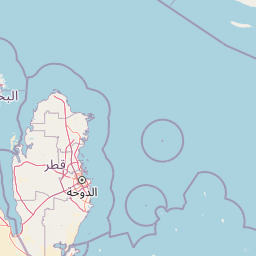
Al Wabra Wildlife Preservation is situated in Qatar's central desert region, an environment characterized by arid plains, sparse vegetation, and extreme temperature variations. The preserve itself comprises managed land with designed habitats that differ substantially from the surrounding natural landscape. Within the facility boundaries, specialized enclosures and controlled environments accommodate species requiring conditions that cannot be found in Qatar's natural desert environment. The 1,000-square-meter climate-controlled greenhouse provides the precise atmospheric conditions necessary for cycad cultivation and other botanical collections. The contrast between the facility's engineered landscapes and the broader Qatari desert context illustrates the intensive management approach required to maintain exotic species in this region.
Al Wabra Wildlife Preservation ecosystems, habitats, and plant life
The ecological character of Al Wabra differs fundamentally from a natural protected area, as it consists of carefully designed and maintained habitats rather than indigenous ecosystems. The facility manages habitats representing multiple biomes, from tropical forest environments for primates and birds to more open savanna-style enclosures for antelope and large mammals. The botanical collections focus on Encephalartos species, an ancient family of cycads that represents some of the oldest living plant lineages on Earth. These cycads require specific temperature, humidity, and soil conditions that the climate-controlled greenhouse provides. The preservation approach at Al Wabra emphasizes creating optimal conditions for breeding endangered species rather than preserving naturally occurring ecosystems.
Al Wabra Wildlife Preservation wildlife and species highlights
Al Wabra Wildlife Preservation houses approximately 2,000 animals representing numerous species across multiple taxonomic groups. The mammal collection includes beira antelope, a small desert-adapted antelope species native to the Horn of Africa, as well as Sudan cheetahs and North African ostriches. Primate species at the facility include golden-headed lion tamarins, small monkeys from the Atlantic forests of Brazil. The dibatag, an antelope species from the Horn of Africa, also maintains a population at the preserve. Most notably, Al Wabra has achieved significant success breeding Spix's macaw, a critically endangered parrot species from Brazil that has virtually disappeared from the wild. The facility's breeding programs represent crucial contributions to global conservation efforts for these imperiled species.
Al Wabra Wildlife Preservation conservation status and protection priorities
Al Wabra Wildlife Preservation functions as an important node in the global conservation network, particularly for species facing imminent extinction threats. The facility's operation of the World Heritage Cycad Gene Bank demonstrates its commitment to both zoological and botanical conservation through coordinated international partnerships. The breeding programs for Spix's macaw have proven particularly significant, as this species只剩下极少数个体存活 in captivity worldwide. By maintaining genetically viable populations of multiple endangered species and participating in coordinated conservation strategies, Al Wabra contributes directly to global biodiversity preservation goals. The preserve's focus on both in situ and ex situ conservation methods, operating through partnerships with national governments, represents a comprehensive approach to species protection.
Al Wabra Wildlife Preservation cultural meaning and human context
Al Wabra Wildlife Preservation reflects Qatar's positioning as a Gulf state actively engaged in environmental stewardship and conservation. The facility was established under the patronage of the Qatari royal family, demonstrating institutional support for conservation initiatives in a country where natural ecosystems face significant environmental pressures. The preserve serves as an educational resource for Qatar's population, providing opportunities for citizens to engage with wildlife and conservation concepts that might otherwise be unfamiliar in the desert environment. This cultural dimension connects Qatar's modern development trajectory with broader international environmental responsibilities.
Top sights and standout views in Al Wabra Wildlife Preservation
Al Wabra Wildlife Preservation distinguishes itself through its critical role in Spix's macaw conservation, one of the world's most endangered bird species. The facility's operation of the World Heritage Cycad Gene Bank represents unique botanical conservation work within the region. Its diverse collection of endangered mammals including beira antelope, Sudan cheetah, and dibatag demonstrates comprehensive taxonomic coverage. The centre's staff of over 200 personnel and 2.5-square-kilometer facilities indicate substantial infrastructure dedicated to conservation. The international partnerships governing the cycad gene bank reflect Qatar's integration into global conservation frameworks.
Best time to visit Al Wabra Wildlife Preservation
Visiting Al Wabra Wildlife Preservation is best during Qatar's cooler winter months from November through March, when outdoor temperatures are more comfortable for exploring the grounds. Summer temperatures in Qatar can exceed 40°C, making extended outdoor activities challenging. The facility's indoor enclosures and climate-controlled areas remain accessible year-round, but the overall visitor experience is more pleasant during the winter period. Early morning visits are recommended to view active wildlife during cooler conditions.