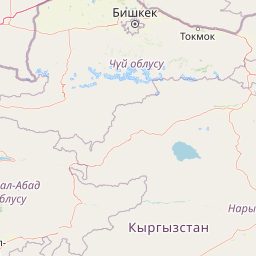
Why Ala-Archa Nature Park stands out
Ala-Archa is best known for its spectacular alpine scenery, with towering granite peaks, cascading glacial rivers, and vibrant summer meadows that create one of the most visually striking mountain landscapes in Kyrgyzstan. The park is particularly renowned for its population of snow leopards, though sighting these elusive cats is rare, and for the accessible hiking opportunities that allow visitors to experience high-altitude Tian Shan environments without extensive expedition logistics. The valley's combination of dramatic vertical relief, glacial landscapes, and relative accessibility from Bishkek makes it a signature destination for trekking, mountaineering, and nature observation in Central Asia.
Ala-Archa Nature Park history and protected-area timeline
Ala-Archa was established as a nature reserve in 1976, during the Soviet period when Kyrgyzstan was part of the USSR and protected area networks were being systematically developed across Central Asia. The reserve was created to protect the unique alpine ecosystems of the Ala-Arch valley and to preserve habitat for valuable wildlife species, particularly those with conservation significance. Following Kyrgyzstan's independence in 1991, the protected area underwent reclassification and was redesignated as a nature park, a category that allows for limited sustainable recreation and tourism activities while maintaining primary conservation objectives. This transition reflected broader trends in the new Kyrgyz state's approach to protected areas, balancing ecological protection with economic development through nature-based tourism. The park remains under the management of Kyrgyzstan's State Agency for Environmental Protection and Forestry, which oversees conservation activities and visitor access.
Ala-Archa Nature Park landscape and geographic character
The landscape of Ala-Archa Nature Park is defined by its dramatic mountain terrain within the Tian Shan range. The valley is surrounded by steep-sided ridges and towering peaks that rise abruptly from the valley floor, composed primarily of granite and other crystalline rocks that have been sculpted by glacial processes over millennia. The Ala-Arch River and its tributary streams descend through the valley in a series of cascades and rapids, cutting through rocky channels and creating pockets of riparian habitat amid the otherwise harsh alpine environment. The park encompasses distinct elevation zones, with lower slopes featuring sparse vegetation and higher elevations giving way to permanent snow and ice fields. Glacial moraines and rockfall debris litter the valley floors and slopes, evidence of the ongoing geological processes that continue to shape this dynamic mountain landscape.
Ala-Archa Nature Park ecosystems, habitats, and plant life
The ecological character of Ala-Archa Nature Park reflects the high-altitude environments of the Tian Shan, where harsh climatic conditions support specialized flora adapted to extreme seasonal variation. The park's vegetation zones range from steppe-like communities on lower slopes through shrub-dominated areas to alpine meadows that bloom with wildflowers during the brief summer growing season. These meadows support diverse herbaceous species including various grasses, sedges, and forbs that provide important forage for the park's herbivorous wildlife. The riparian corridors along the Ala-Arch River and its tributaries support willows and other water-tolerant species, creating linear bands of more lush vegetation that contrast with the surrounding semi-arid slopes. The park also includes areas of Juniperus woodland on north-facing slopes, representing a distinct forest type that characterizes portions of the Tian Shan.
Ala-Archa Nature Park wildlife and species highlights
Ala-Archa Nature Park supports a diverse community of mountain-adapted wildlife, with several species of significant conservation importance. The snow leopard remains the park's most iconic and elusive inhabitant, though these secretive cats are rarely encountered by visitors due to their solitary nature and preference for remote, rocky terrain at higher elevations. The Siberian ibex is more commonly observed, with populations inhabiting the steep cliff areas and rocky slopes throughout the park. Smaller mammals include various species of mountain rodents, foxes, and weasels adapted to the alpine environment. The bird community features species characteristic of high-altitude Central Asian habitats, including various raptors such as golden eagles that soar on thermal currents along the valley walls, as well as snow partridges and accentors that inhabit the rocky terrain above the tree line.
Ala-Archa Nature Park conservation status and protection priorities
Ala-Archa Nature Park plays an important role in Kyrgyzstan's conservation framework as one of the key protected areas preserving Tian Shan alpine ecosystems. The park's protected status provides legal framework for preventing habitat degradation and regulating activities that could otherwise damage the sensitive mountain environment. Conservation objectives focus on maintaining healthy populations of flagship species, particularly the snow leopard, and preserving the overall ecological integrity of the Ala-Arch valley. The park also serves as an important research site for scientists studying alpine ecology, glaciology, and high-altitude biodiversity in the Tian Shan region. Sustainable tourism is managed to minimize visitor impacts while allowing people to experience and appreciate this remarkable mountain environment.
Ala-Archa Nature Park cultural meaning and human context
The Ala-Arch valley has been part of the cultural landscape of the Kyrgyz people for centuries, though the specific historical human presence within what is now the park boundary is not extensively documented in available sources. The broader region of northern Kyrgyzstan, including the areas surrounding Bishkek, has long been used for seasonal livestock grazing by Kyrgyz herders, and some traditional pastoral activities may occur in portions of the park or its surrounding areas. The landscape holds significance in Kyrgyz cultural memory and identity, as the dramatic mountain environments of the Tian Shan are deeply embedded in the cultural narratives and traditional practices of the Kyrgyz people. The park's proximity to Bishkek makes it a significant area for environmental education and awareness within the Kyrgyz capital.
Top sights and standout views in Ala-Archa Nature Park
The Ala-Arch valley offers several standout features that define the visitor experience in this protected mountain landscape. The dramatic peak of Teke-Tor, which rises to over 4,000 meters, dominates the upper valley and provides a stunning backdrop for hikers and photographers. The Ala-Arch River, with its sequence of small waterfalls and cascades, creates scenic focal points along the main hiking route through the valley. The summer alpine meadows, when they bloom with colorful wildflowers against the backdrop of snow-capped peaks, represent one of the park's most memorable visual experiences. The relative accessibility of the park from Bishkek, allowing for day trips or extended backcountry trekking, makes this one of Kyrgyzstan's most visited and beloved protected areas.
Best time to visit Ala-Archa Nature Park
The optimal season for visiting Ala-Archa Nature Park runs from late spring through early autumn, with June through September offering the most favorable conditions for hiking and wildlife viewing. During this period, mountain trails are generally snow-free at lower elevations, though pass routes to higher terrain may still involve snow crossing. Summer brings warm temperatures in the valley and mild conditions at elevation, though afternoon thunderstorms are common in the high mountains. The autumn months of September and early October offer stable weather and fewer visitors, with the added bonus of autumn colors in the scrub and forest areas. Winter visits are possible but limited by heavy snowfall that closes higher trails, while spring brings variable conditions as snow melts and streams swell.