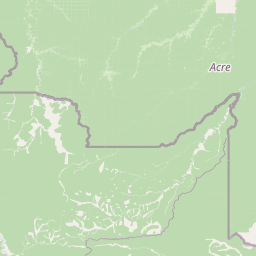
Why Alto Purús National Park stands out
Alto Purús National Park is best known for its extraordinary size and the protection it provides to both pristine Amazon ecosystems and the territories of indigenous peoples, including some groups living in voluntary isolation. The park supports remarkable biodiversity, with approximately 520 bird species documented within its boundaries, including macaws, toucans, the harpy eagle, and the jabiru. Mammalian fauna is equally notable, featuring jaguar, puma, giant otter, Amazon river dolphin, and giant anteater. The park is also recognized for its mineral lick sites where large concentrations of parrots and macaws gather, offering exceptional wildlife observation opportunities. Its relative remoteness has helped preserve both ecological systems and traditional indigenous cultures, making it a significant site for both conservation and anthropological understanding.
Alto Purús National Park history and protected-area timeline
Alto Purús National Park was established on November 18, 2004, representing a relatively recent addition to Peru's national park system. The creation of the protected area reflected both the growing awareness of the Amazon region's ecological importance and the specific conservation needs of this portion of southeastern Peru. The park was designated under Peru's natural protected areas framework and placed under the management of SERNANP, the National Service of Natural Protected Areas.
The establishment of the park came at a time when Peru was expanding its network of protected areas in the Amazon basin. The region had previously lacked formal protection despite its biological significance, and the new designation provided legal framework for conservation of both the forest ecosystems and the indigenous communities whose territories fell within the park's boundaries. The creation process involved consultation with regional authorities and recognition of the importance of maintaining indigenous territories within the protected area structure.
Since its establishment, the park has faced numerous management challenges. The remoteness of the area makes effective enforcement difficult, and pressures from logging, hunting, and illegal settlement have persisted. Proposals for road construction through the park, particularly a road to the town of Esperanza, have represented ongoing threats to the protected area's integrity. The presence of indigenous communities in voluntary isolation within the park's boundaries adds complexity to management efforts, as their choice to avoid contact with the outside world must be respected while also ensuring their territories are protected from external encroachment.
Alto Purús National Park landscape and geographic character
The landscape of Alto Purús National Park is dominated by the classic Amazon rainforest, a complex ecosystem of towering trees, dense understory, and intricate ecological relationships that have evolved over millions of years. The forest reaches impressive heights here, with emergent trees rising above the canopy and creating the layered structure that characterizes lowland tropical rainforests. The ground level, despite the dense canopy above, often features relatively open understory conditions where filtered light allows diverse shrub and herb layers to develop.
In the western portions of the park, the terrain transitions from the flat lowland plain to more hilly topography, providing visual and ecological variety within the protected area. These hills, while not reaching mountainous elevations, add important diversity to the landscape and may harbor slightly different ecological communities adapted to the changed drainage and elevation conditions. The area's rivers, particularly the Purús and its tributaries, create linear corridors of aquatic habitat that extend through the forest. Their banks feature sandy deposits that support distinctive plant communities adapted to the periodic flooding and disturbance regime that these riparian zones experience.
Alto Purús National Park ecosystems, habitats, and plant life
The ecological systems protected within Alto Purús National Park represent some of the most biodiverse habitats on Earth. The park's tropical forests support extraordinary plant diversity, with numerous tree species including mahogany, cedar, ceiba, and Brazil nut trees forming the structural and compositional backbone of the ecosystem. The forest composition varies across the landscape in response to soil conditions, drainage patterns, and elevation, creating a mosaic of forest types that supports different assemblages of wildlife.
The park's location within the Amazon basin places it at the intersection of multiple biogeographic influences, contributing to its species richness. The rivers that traverse the protected area create additional habitat diversity, with aquatic environments, floodplain forests, and riparian zones supporting species adapted to these more open or water-affected conditions. Seasonal flooding regimes drive ecological processes throughout the park, influencing nutrient cycling, seed dispersal, and the timing of reproductive events across numerous species. The maintenance of these natural hydrological processes is essential to the park's ecological integrity.
The forest ecosystem supports complex food webs and ecological interactions that have developed over evolutionary timescales. Pollinators, seed dispersers, predators, and decomposers all play roles in maintaining the system's function, and the removal of any component can have cascading effects through the ecosystem. The park's size provides room for these ecological processes to continue with minimal human interference in core areas, supporting natural population dynamics and evolutionary processes that smaller protected areas cannot accommodate.
Alto Purús National Park wildlife and species highlights
The wildlife communities of Alto Purús National Park reflect the exceptional biodiversity of the Amazon basin. Mammal populations include apex predators such as jaguar and puma, maintaining the ecological processes that require these large carnivores. Medium-sized carnivores including the tayra, short-eared dog, and greater grison occupy diverse niches within the forest ecosystem, while herbivores such as red brocket, tapeti, and pacarana form important prey bases and play roles in seed dispersal. The aquatic environments support populations of giant otter and Amazon river dolphin, both species that face significant conservation challenges throughout their ranges.
The bird fauna, with approximately 520 species documented, represents one of the park's most remarkable biological assets. Macaws, including blue-headed macaw, red-bellied macaw, and scarlet macaw, add spectacular color to the forest canopy and are particularly notable at mineral lick sites where they congregate in significant numbers. Toucans, parrots, and numerous other bird groups contribute to the acoustic and visual richness of the environment. Raptors including the harpy eagle and king vulture represent top predators in the avian community, while the jabiru and other large waterbirds frequent the river systems.
The species assemblages found in the park represent a mix of widespread Amazonian species and forms with more restricted distributions. Some species present here reach the limits of their ranges at this longitude or latitude, making the park important for maintaining genetic diversity across species' distributions. The documentation of these communities continues as research efforts access the remote terrain, and additional species are likely to be recorded as exploration continues.
Alto Purús National Park conservation status and protection priorities
Alto Purús National Park represents a critical conservation asset for Peru and for global biodiversity. The park's vast size allows it to maintain ecological processes at scales that smaller protected areas cannot achieve, supporting natural population dynamics for wide-ranging species and protecting the large habitat areas that species like jaguar and harpy eagle require. The forest ecosystem stores significant quantities of carbon, making the park an important component of global climate regulation strategies and highlighting its significance beyond national boundaries.
The protection of indigenous territories within the park's boundaries represents an important conservation approach. Communities that have chosen to maintain their traditional ways of life and avoid contact with the outside world occupy territories within the protected area, and their presence has historically helped deter logging and other extractive activities that degrade forest ecosystems. The recognition of these indigenous territories within the protected area framework reflects the understanding that human communities can be integral to conservation success when their rights and practices are respected.
Despite its protected status, the park faces significant conservation challenges. Logging, particularly of valuable mahogany species, represents an ongoing threat to forest integrity. Hunting and overfishing pressure wildlife populations, while illegal settlements promoted by corrupt local authorities degrade habitat and complicate management. The proposed construction of roads through the park would fragment habitat and increase access for destructive activities. Effective conservation will require sustained management effort, adequate resources, and political will to address these threats.
Alto Purús National Park cultural meaning and human context
Alto Purús National Park is home to indigenous communities whose presence in the region predates the modern nation-state of Peru. Several peoples maintain territories within the park's boundaries, including groups that have chosen to remain in voluntary isolation from the wider world. These communities represent the continuation of traditional ways of life that have evolved in harmony with the Amazonian environment over generations, and their territories form an integral part of the park's cultural landscape.
The indigenous communities within and adjacent to the park maintain cultural practices that include traditional dances, fish farming, and agricultural systems adapted to the forest environment. The Curanja River valley hosts villages where visitors can observe these cultural practices, offering opportunities for cultural tourism that provides income for communities while encouraging the continuation of traditional knowledge and practices. These interactions require sensitivity to ensure that cultural exchange benefits community members and does not compromise their privacy or traditional ways of life.
The presence of isolated indigenous communities within the park adds particular ethical and practical dimensions to management. These peoples have chosen to avoid contact with the outside world, and their choice must be respected both as a matter of human rights and because unplanned contact can expose vulnerable populations to disease. The park's management must balance the goal of conservation with the obligation to protect indigenous territories and support the continuation of these communities' chosen way of life.
Top sights and standout views in Alto Purús National Park
Alto Purús National Park stands as one of Peru's largest and most biodiverse protected areas, encompassing millions of hectares of pristine Amazon forest. The park's exceptional wildlife viewing opportunities, particularly at mineral licks where macaws and parrots gather in spectacular concentrations, rank among the best in the Amazon. The presence of jaguar, harpy eagle, giant otter, and Amazon river dolphin provides opportunities to observe species that define the Amazonian wilderness experience. The park's protection of indigenous territories, including communities in voluntary isolation, represents a unique intersection of conservation and cultural preservation that distinguishes this area from many other protected areas.
Best time to visit Alto Purús National Park
The optimal time to visit Alto Purús National Park depends on the experiences visitors seek. The wet season from December through April brings heavy rainfall that raises water levels in rivers and streams, creating extensive flooded areas that can limit access to some interior zones of the park. However, this period also supports the spectacular gatherings of macaws and parrots at mineral licks as water scarcity drives wildlife to these mineral sources. The drier months from May through November generally offer easier access and more consistent wildlife viewing opportunities, though some areas may become harder to reach as water levels drop. Temperature ranges remain relatively consistent throughout the year, with typical conditions around 25°C and occasional extremes reaching 35°C or dropping to 17°C. Visitors should plan for the tropical climate regardless of season and prepare for the humidity and rainfall characteristic of the Amazon environment.