Why At-Taysiyah Natural Reserve stands out
At-Taysiyah Natural Reserve is most notably recognized as a vital wintering destination for migratory houbara bustards, which travel to the reserve during the colder months each year. The reserve is also significant for its populations of Rhim gazelle, a species adapted to desert conditions, as well as Arabian oryx and ostrich. The combination of dune habitats, valley systems, and steppe desert makes this reserve particularly important for the conservation of desert-adapted species in the Arabian Peninsula.
At-Taysiyah Natural Reserve history and protected-area timeline
The At-Taysiyah Natural Reserve was formally designated as a protected natural area in 1995, reflecting the Saudi government's growing emphasis on environmental conservation during the late twentieth century. The establishment of this reserve came during a period when Saudi Arabia was expanding its network of protected areas to include representative examples of the Kingdom's diverse ecological zones. The reserve was placed under the management of the Saudi Wildlife Authority, the national body responsible for wildlife conservation and protected area management throughout the Kingdom. The selection of this particular desert area for protection acknowledged both its ecological significance as habitat for desert wildlife and its value as a corridor for migratory species moving through the region.
At-Taysiyah Natural Reserve landscape and geographic character
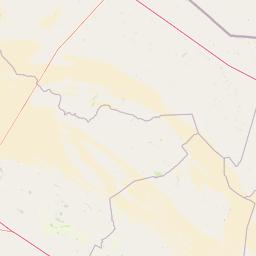
The terrain of At-Taysiyah Natural Reserve exemplifies the classic desert landscapes of northeastern Saudi Arabia, characterized by extensive sand dune systems that shift and reshape with wind patterns over time. The dune areas form prominent features across the reserve, creating a dynamic landscape that changes in response to natural geological processes. Interspersed among the dunes are shallow valleys, which serve as drainage channels during the rare precipitation events that occur in this arid region. Beyond the dune complexes, the reserve encompasses broader areas of steppe desert, where vegetation is sparse but sufficient to support grazing wildlife. This combination of landforms creates a heterogeneous desert environment that provides different microhabitats for various species. The overall landscape maintains a sense of remoteness and wildness, with human development minimal within the reserve boundaries.
At-Taysiyah Natural Reserve ecosystems, habitats, and plant life
The ecological character of At-Taysiyah Natural Reserve reflects the adaptive strategies of species in arid Arabian desert environments. The reserve's vegetation communities are adapted to limited rainfall and extreme temperature variations, consisting primarily of drought-resistant plant species that can survive on minimal moisture. The dune environments support specialized plant species adapted to shifting sand conditions, while the valley areas may support slightly denser vegetation where water accumulates temporarily. The steppe desert areas feature sparse but widespread plant cover that provides forage for herbivorous species. This desert ecosystem represents a relatively intact example of Arabian Peninsula desert habitats, maintaining ecological processes despite the challenging environmental conditions.
At-Taysiyah Natural Reserve wildlife and species highlights
The wildlife population of At-Taysiyah Natural Reserve includes both resident species adapted to year-round desert conditions and migratory species that use the reserve seasonally. The reserve is particularly important as a winter destination for houbara bustards, which migrate to the area from more northern regions during the winter months, finding suitable habitat and forage in the desert environment. Among the resident large mammals, the Rhim gazelle, also known as the Reem Gazelle, represents a species specifically adapted to desert conditions and remains a notable presence within the reserve. The Arabian oryx, a striking white antelope species that has been the subject of successful conservation and reintroduction programs throughout the Arabian Peninsula, also inhabits the reserve. Additionally, ostriches are found within the reserve, representing one of the few remaining large bird species in the Arabian desert ecosystem.
At-Taysiyah Natural Reserve conservation status and protection priorities
At-Taysiyah Natural Reserve plays a significant role in Saudi Arabia's conservation framework by protecting a representative example of northeastern Arabian desert ecosystems. The reserve provides protected habitat for several species of conservation importance, including the Rhim gazelle and Arabian oryx, both of which have faced population pressures across their historical ranges. The designation of the area as a natural reserve in 1995 established legal protection for both the habitat and wildlife populations within its boundaries. The reserve's importance as a wintering ground for migratory houbara bustards adds an international dimension to its conservation significance, as this species traverses international boundaries during its seasonal movements. Management by the Saudi Wildlife Authority ensures ongoing protection and monitoring of the reserve's ecological values.
At-Taysiyah Natural Reserve cultural meaning and human context
The At-Taysiyah Natural Reserve exists within a region of Saudi Arabia that has historically been inhabited by nomadic pastoral communities who moved their herds across the desert landscape in response to seasonal conditions and available resources. While the reserve itself is now protected and managed for conservation purposes, the broader landscape maintains connections to traditional land use patterns that have shaped the desert environment over generations. The reserve's name and location reflect the geographic and cultural context of the Arabian Peninsula's interior regions.
Top sights and standout views in At-Taysiyah Natural Reserve
At-Taysiyah Natural Reserve stands out as a premier destination for observing migratory houbara bustards during the winter season, offering opportunities to witness one of the Arabian Peninsula's most significant bird migration events. The reserve's diverse desert landscape of dunes, valleys, and steppe terrain provides visitors with an understanding of the varied environments found in northeastern Saudi Arabia. Population of Rhim gazelle, a distinctive desert-adapted antelope species, represents a conservation success story within the reserve boundaries. The presence of Arabian oryx, with its striking white coat and impressive horns, adds to the reserve's significance as a location for observing adapted megafauna in their natural desert habitat.
Best time to visit At-Taysiyah Natural Reserve
The optimal time to visit At-Taysiyah Natural Reserve aligns with the winter months when migratory houbara bustards arrive in the area, typically between November and March. During this period, temperatures in the desert are more moderate compared to the extreme heat of summer months, making outdoor activities more comfortable for visitors. The cooler season also brings slightly higher humidity and occasional fog, which can create atmospheric conditions different from the typical clear desert environment. Summer visits, while possible, would need to contend with very high temperatures that limit daytime activities and create challenging conditions for wildlife observation. The timing of a visit should be planned with awareness that access to certain areas of the reserve may be regulated to minimize disturbance to wildlife populations.