Why Bosencheve National Park stands out
Bosencheve National Park is best known for its pair of scenic mountain lakes set within a forested volcanic landscape. Lago Verde and Lago Seca anchor the park's identity, offering visitors distinctive water features in an otherwise heavily forested highland environment. The park's established status since 1940 also gives it historical significance within Mexico's conservation history, and its location in the trans-Mexican volcanic belt places it within one of the country's most ecologically important mountain regions.
Bosencheve National Park history and protected-area timeline
Bosencheve National Park was established in 1940, placing its creation during a period when Mexico was developing its earliest national park system. The designation of this mountainous area as a protected area reflected growing recognition of the importance of preserving scenic landscapes and natural environments in central Mexico. The park's establishment created a protected zone around its two significant lakes and the surrounding forest, setting aside the area for conservation and public enjoyment. Over the decades, the park has been managed under Mexico's system of protected natural areas, currently overseen by the National Commission of Natural Protected Areas.
Bosencheve National Park landscape and geographic character
The landscape of Bosencheve National Park is defined by its mountainous setting within the trans-Mexican volcanic belt. The terrain features volcanic ridges and forested slopes that rise from the lake basins at the park's core. Two lakes, Lago Verde and Lago Seca, serve as prominent landscape features, their waters reflecting the surrounding forest and mountain backdrop. The park's elevation and volcanic geology create a landscape of moderate to steep terrain, with drainage patterns feeding the lake systems. Forest vegetation covers much of the higher ground, while the lake margins and lower slopes support different plant communities adapted to the moist highland conditions.
Bosencheve National Park ecosystems, habitats, and plant life
Bosencheve National Park protects a segment of central Mexico's highland forest ecosystems within the trans-Mexican volcanic belt. The park's elevation range and moisture patterns support forest communities that differ from the lower-elevation tropical environments found in surrounding lowlands. The presence of the two lakes creates aquatic and wetland habitats that add ecological diversity to the protected area. As a protected area spanning the boundary between two states, Bosencheve also functions as a conservation corridor supporting wildlife movement through the mountainous landscape. The forest and lake habitats together create a relatively intact natural environment that supports resident species and provides ecological functions related to watershed protection and biodiversity maintenance.
Bosencheve National Park wildlife and species highlights
The forests and lakes of Bosencheve National Park provide habitat for various species adapted to central Mexico's highland environments. The lake systems support aquatic wildlife and attract bird species that use the water bodies for feeding and nesting. Forest areas within the park shelter terrestrial wildlife including various bird species, small mammals, and other fauna characteristic of the trans-Mexican volcanic belt region. The protected status of the area helps maintain wildlife populations in a region where habitat conversion has affected many natural areas.
Bosencheve National Park conservation status and protection priorities
Bosencheve National Park represents an established conservation designation within Mexico's protected areas system. Its IUCN Category II classification as a national park reflects its purpose of protecting natural landscapes and supporting public enjoyment of nature. The park's location in the trans-Mexican volcanic belt places it within an ecologically significant region that supports diverse habitats. By protecting forest areas, lake systems, and the watershed functions they provide, the park contributes to maintaining ecological integrity in central Mexico. Management by the National Commission of Natural Protected Areas ensures ongoing protection of the park's natural values.
Top sights and standout views in Bosencheve National Park
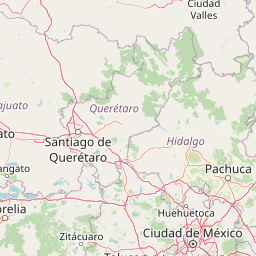
The defining highlights of Bosencheve National Park are its two mountain lakes, Lago Verde and Lago Seca, set within a forested volcanic landscape. The park's established history since 1940 gives it significance as one of Mexico's older national parks. Its location in the trans-Mexican volcanic belt provides geological and ecological context, while its relative accessibility from Mexico City makes it a practical destination for nature visitors to central Mexico. Hiking trails offer exploration of the park's terrain, allowing visitors to experience the forest environment and lakeside scenery.
Best time to visit Bosencheve National Park
The best time to visit Bosencheve National Park is during the drier months from late autumn through early spring, when trail conditions are generally more favorable and visitor access is easier. The central Mexican highland climate means that the park experiences a wet season during summer months, when trail conditions may be more challenging and rainfall more frequent. The cooler dry season months often provide more comfortable conditions for hiking and outdoor exploration. Visitors planning trips should consider that the park's mountain setting means temperatures can be cooler than in the Mexico City area, especially at higher elevations within the protected area.