
Mori Atlas logo
Nature reserveChersonisos Akama

Mapping the geographic diversity and ecological richness of the Akamas Peninsula in Paphos District

Chersonisos Akama Nature Reserve: A Detailed Atlas of Eastern Mediterranean Protected Landscapes

Chersonisos Akama encompasses a vast mosaic of protected habitats stretching across the northwestern corner of the Paphos District in Cyprus. This reserve protects a complex interplay of Calabrian pine forests, serpentine grasslands, coastal dune systems, and marine environments including Posidonia seagrass meadows and submerged sea caves. As a critical node in the Natura 2000 network, the area supports exceptional plant endemism and serves as a vital refuge for nesting sea turtles and diverse birdlife along the Eastern Mediterranean flyway.

Mediterranean ecosystemscoastal and marine protected areaserpentine grasslandsCypriot pine forestsjuniper woodlandsmaquis and phrygana
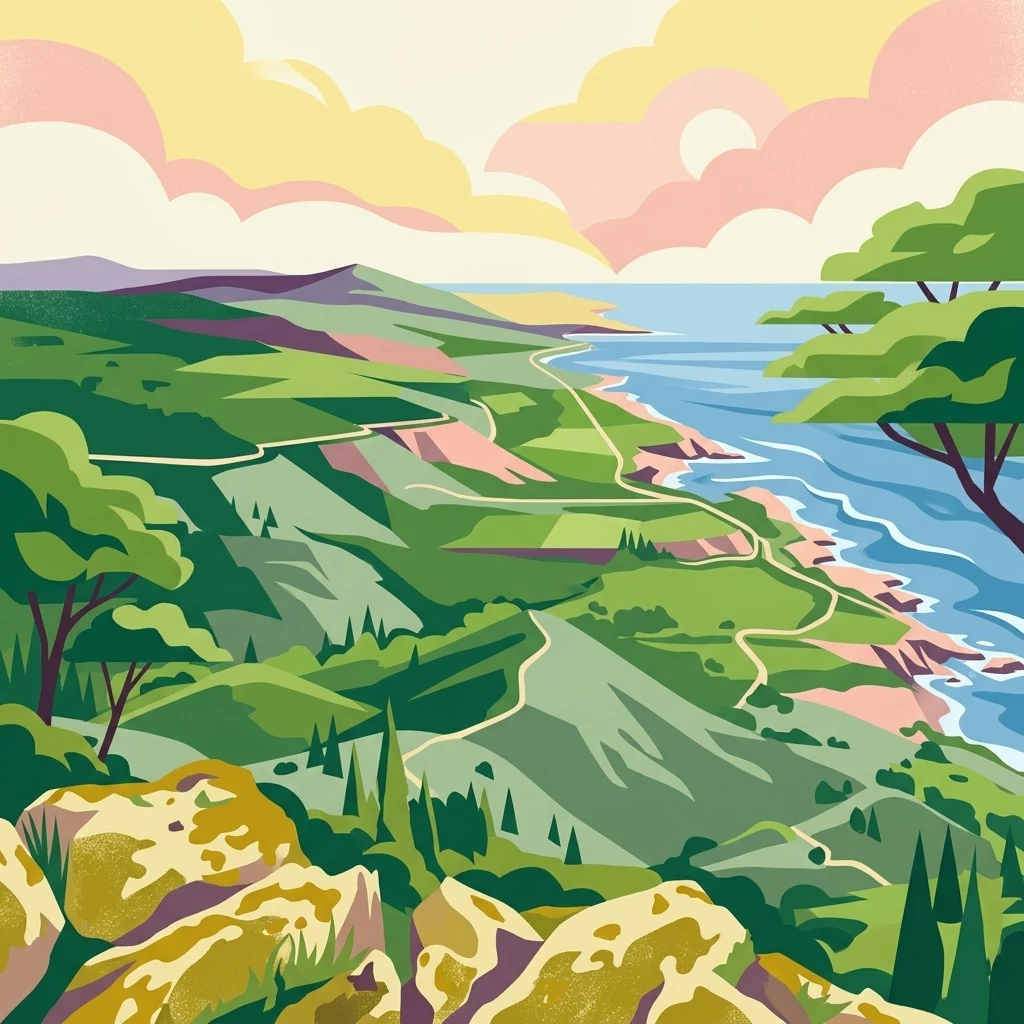
A stylized illustration of a hilly coastal landscape with rocky outcrops in the foreground, rolling green hills leading to the blue sea, and a sunset sky.

Chersonisos Akama

Nature reserve

Park overview

Structured park overview, official facts, and landscape profile for Chersonisos Akama

Chersonisos Akama park facts, protected area profile, and essential visitor context

Review the core facts for Chersonisos Akama, including designation, size, terrain, visitor scale, habitats, and operating context in one park-focused overview.

About Chersonisos Akama

Chersonisos Akama is a Natura 2000 protected landscape in the far northwest of Cyprus, occupying most of the rugged Akamas Peninsula and the coastal and shallow marine waters that fringe it. Stretching about 28 kilometres in its longest dimension and covering roughly 17,900 hectares, it represents one of the last large blocks of relatively undisturbed Mediterranean wilderness on the island, where natural and semi-natural habitats still dominate the land.

The peninsula is shaped by a complex geological and climatic history. Serpentine substrates support specialised grasslands with their own endemic flora, while neighbouring calcareous and siliceous rocks carry different woodland and scrub communities. Combined with a Mediterranean climate of hot, dry summers and mild, wet winters, this geological variety has produced an unusually fine-grained mosaic of habitats. Calabrian pine and Phoenician juniper forests cover much of the interior, with olive and carob maquis, phrygana, and Sarcopoterium-dominated scrub at lower altitudes. Mediterranean dry grasslands, temporary ponds, and freshwater seepages add to the terrestrial diversity. The coastline features both rocky cliffs with endemic Limonium vegetation and sandy beaches with dune systems, juniper-dominated coastal dunes, and small dune-slack wetlands.

Beyond the shoreline, the marine element is equally distinctive. Posidonia oceanica seagrass meadows, Cystoseira-dominated reefs, and partly or fully submerged sea caves create habitats that are increasingly rare across the Mediterranean. These underwater formations are critical for fish and invertebrates, and the sea caves in particular are a vital refuge for the endangered Mediterranean monk seal, one of the most threatened marine mammals in Europe.

As a Natura 2000 site under the EU Habitats Directive, Chersonisos Akama is recognised for its 22 terrestrial habitat types, including six priority types, and its significance for species such as the loggerhead and green sea turtles, which use the beaches for nesting, and for European bat species like the greater and lesser horseshoe bats. The vegetation is equally noteworthy, with around 700 recorded plant species, 42 of them endemic to Cyprus or this part of the island, and microendemics such as Centaurea akamantis and the Cyprus tulip essentially restricted to the Akamas area.

For wildlife, the peninsula acts as a meeting point between European, Anatolian, and North African biogeographical influences. Resident raptors such as the Bonelli's eagle, peregrine falcon, and long-legged buzzard nest in the hills, while Eleonora's falcon uses the cliffs during its autumn breeding season. Migratory herons, storks, ibises, and a wide variety of passerines pass through on their seasonal journeys, and the coast hosts important seabird species including the Mediterranean Cory's shearwater, Audouin's gull, and European shag. Two bird species, the Cyprus wheatear and the Cyprus warbler, are essentially confined to Cyprus and find some of their most secure habitat here.

Overall, Chersonisos Akama stands out as a stronghold where the diversity of the eastern Mediterranean is not fragmentary but concentrated, and where marine, coastal, and terrestrial systems are closely interlinked within a single protected area.

Quick facts and research context for Chersonisos Akama

Chersonisos Akama is a Natura 2000 Fauna-Flora-Habitat site in the Paphos district of the Republic of Cyprus, designated on 1 September 2009 under site code CY4000010. It covers the bulk of the Akamas Peninsula and its adjacent waters, forming one of the best-preserved eastern Mediterranean habitat complexes.

The site is recognized for its exceptional ecological coverage, hosting 22 terrestrial habitat types, including six priority types under the EU Habitats Directive, around 700 plant species with 42 endemics, and an estimated 160 protected bird species as well as important populations of Mediterranean monk seals and sea turtles. It functions both as a breeding and stopover area for migratory birds and as the last significant refuge for several range-restricted species.

Protection and recognition

Documented protection history, mixed management scope, and Natura 2000 listings

Chersonisos Akama Protection Status and International Recognition Data

Chersonisos Akama maintains a mixed protection scope established in 2009 alongside official Natura 2000 recognition listings. Structured conservation tracking outlines the historical designation timeline and international recognition sources for the protected landscape.

International recognition

Protection details

Protection scope
Mixed
Designated year
2009
Transboundary protection
No
Park context

Deeper park guide and search-rich context for Chersonisos Akama

Chersonisos Akama history, landscape, wildlife, and travel context

Explore Chersonisos Akama through its history, landscape character, ecosystems, wildlife, conservation priorities, cultural context, and seasonal travel timing in a structured park guide built for atlas discovery and search intent.

Why Chersonisos Akama stands out

Chersonisos Akama is best known for the extraordinary concentration of eastern Mediterranean ecosystems packed into a single peninsula: Calabrian pine forests, juniper woodlands, maquis, phrygana, and serpentine grasslands all meet rocky shores, sand dunes, seagrass meadows, and marine caves. This compressed mosaic supports both extremely high plant endemism, including species essentially confined to the peninsula, and a notable marine biodiversity anchored by the Mediterranean monk seal and nesting sea turtles. The area is also recognised as one of the most important sites in Cyprus for birdlife, combining breeding habitat for raptors and endemic passerines with a strong migratory role for herons, shorebirds, and seabirds moving along the Eastern Mediterranean flyway.
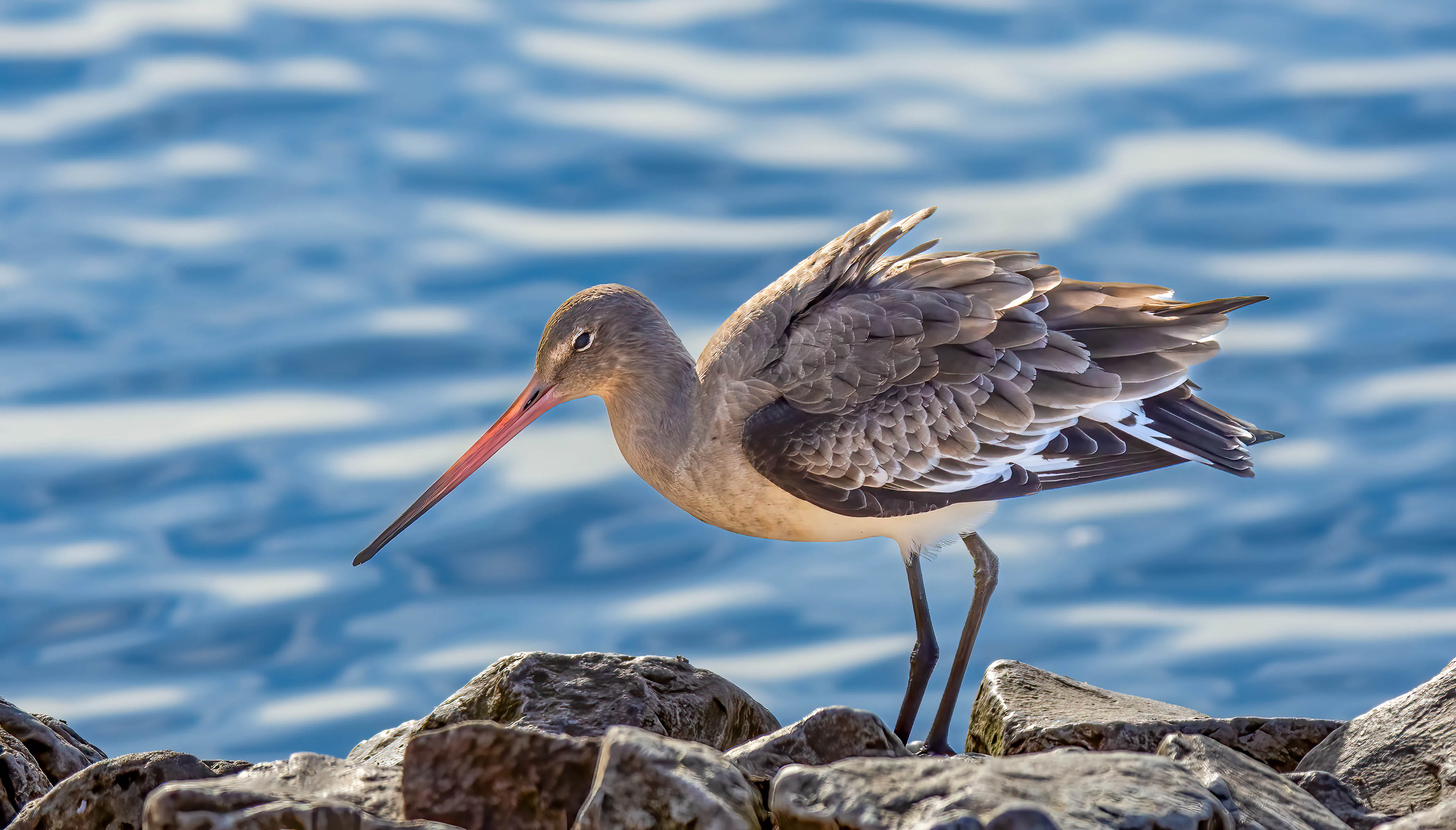
A black-tailed godwit standing on dark, uneven rocks with a blurred blue water background.
A black-tailed godwit perched on rocks near the water.

Chersonisos Akama history and protected-area timeline

Chersonisos Akama was formally established as a Fauna-Flora-Habitat area on 1 September 2009, joining the European Natura 2000 network under the site code CY4000010. Its designation reflects the European Union's framework for protecting threatened habitat types and species of community interest beyond the borders of the union's earlier member states.

The selection of the Akamas Peninsula was driven by the recognition that, even after centuries of grazing, woodcutting, and limited agricultural use, the area still retained large tracts of natural and semi-natural Mediterranean habitats and unusually high rates of plant endemism. Its inclusion in Natura 2000 was intended to safeguard these remaining habitats, several of which are considered priority under the Habitats Directive, along with the marine features off the coast.

Since designation, the site has served as one of the standard reference areas for biodiversity conservation in the Republic of Cyprus, forming part of the broader effort to align the country's protected-area network with European ecological standards.

Chersonisos Akama landscape and geographic character

The Akamas Peninsula is a roughly triangular headland of hills, valleys, cliffs, and coves that juts from the northwestern corner of Cyprus into the Mediterranean Sea. The terrain is shaped by a mix of limestone, siliceous rocks, and serpentine outcrops, producing localised contrasts in soil chemistry that are directly visible in the vegetation.

Inland, low rolling hills and dissected ridges are clothed in Calabrian pine forest, with patches of Mediterranean cypress and open juniper woodland. At lower elevations and on drier slopes, the landscape transitions into olive and carob maquis, Sarcopoterium spinosum phrygana, and garrigue-like shrublands. In places where serpentine bedrock dominates, the scenery changes to open grasslands with a distinctive, sparse character, supporting their own specialist plant communities.

The coast is a varied sequence of small sandy bays set between rocky promontories, with cliffs in places dropping sharply into the sea. Dune systems of different ages are present along the shore, from mobile foredunes inland to more stable juniper-dominated dune thickets and dune-slack vegetation. Inland from the coast, small temporary pools and damp depressions add seasonal wetland features to an otherwise dry Mediterranean landscape.

The marine fringe continues this geomorphic diversity underwater. Rocky reefs extend from the cliffs, Posidonia oceanica meadows carpet shallow sandy areas, and submerged and partly submerged sea caves penetrate the coastal rock, creating one of the most distinctive seascapes anywhere on Cyprus.
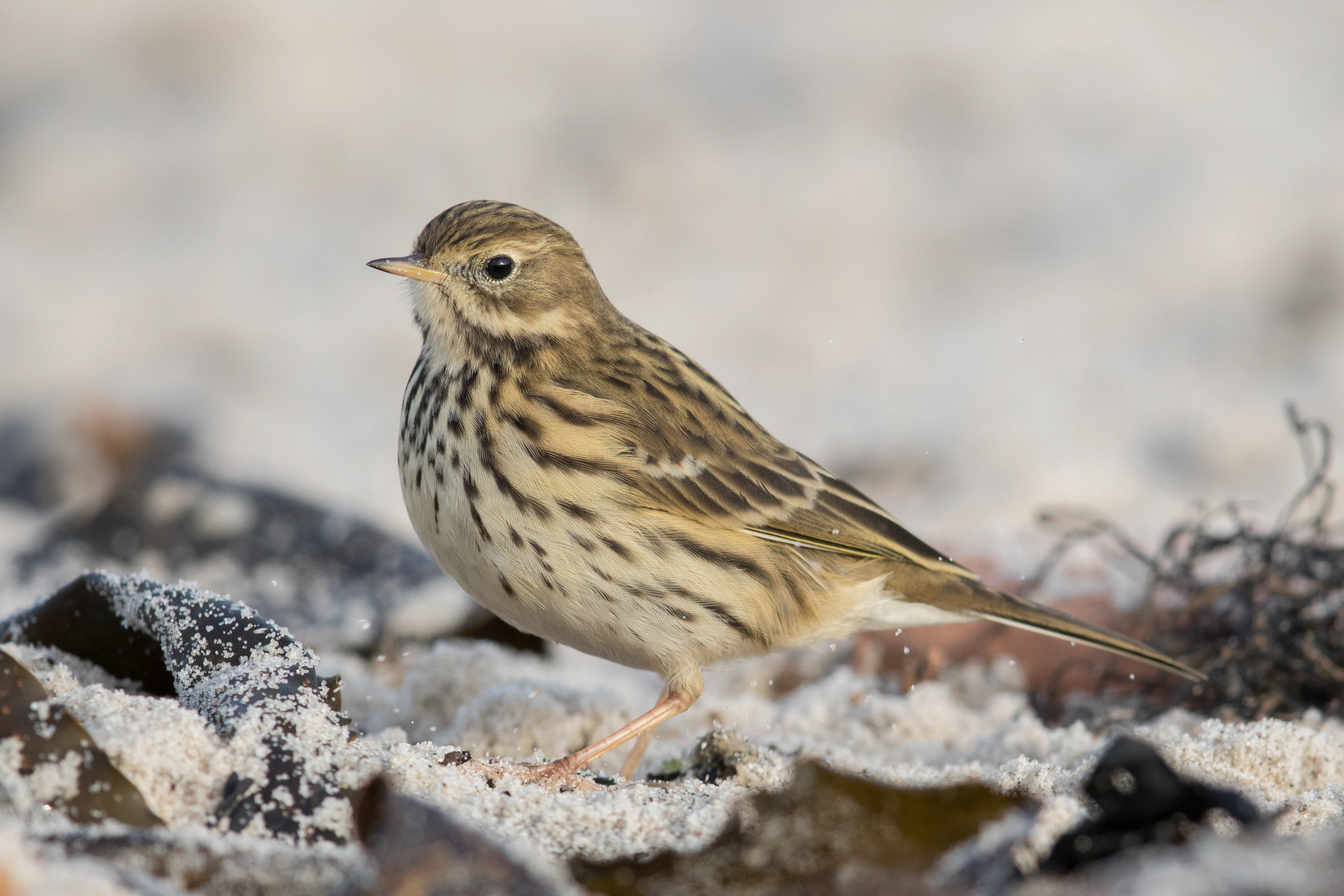
A small bird with brownish, streaked plumage, identified as a meadow pipit, standing on a bright sandy surface with dark seaweed debris nearby.
A meadow pipit perched on a sandy, coastal substrate.

Chersonisos Akama ecosystems, habitats, and plant life

Chersonisos Akama is best understood ecologically as a compressed mosaic of eastern Mediterranean habitats, with 22 terrestrial habitat types recognised under the EU Habitats Directive, including six considered priority for conservation. Forest habitats range from Calabrian pine woodlands and relict cypress stands to endemic juniper forests and gallery-like woodlands along watercourses, while oriental plane woodlands and mixed Mediterranean oak formations occur in particular microhabitats.

Scrub and grassland habitats are equally diverse. Thermomediterranean broom and juniper formations, maquis with olives and carobs, and Sarcopoterium-dominated phrygana occupy much of the drier land, while specialised serpentine grasslands and Mediterranean dry grasslands add open habitat types of high botanical value. On the coast, sand dunes with juniper vegetation, cliff-top vegetation with endemic Limonium species, and small dune-slack wetlands create a layered coastal habitat strip.

The marine component is just as significant. Posidonia oceanica seagrass beds and Cystoseira-dominated reefs are key habitats under the directive, including priority Posidonia meadows, while submerged sea caves and coastal rockpool systems contribute additional habitat types. Together the terrestrial and marine habitats form an intertwined ecological system that constrains how species are distributed across the peninsula.
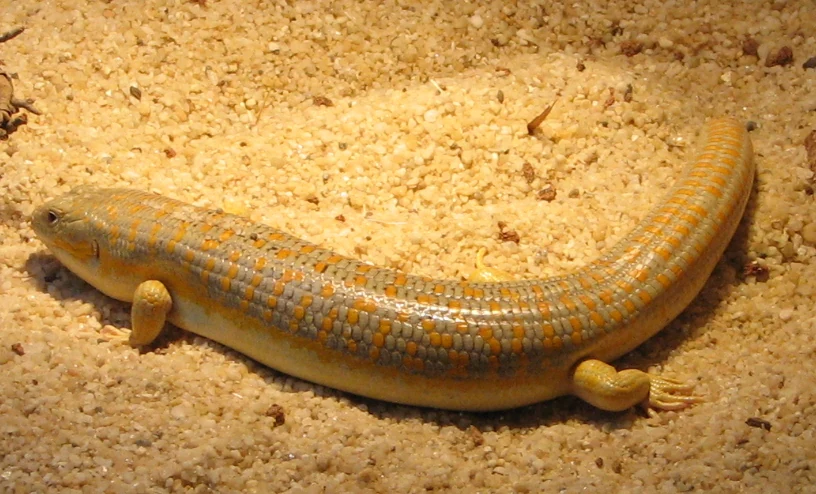
A Schneider's skink with yellowish skin and orange spots resting on light-colored sandy ground.
A Schneider's skink in its natural habitat environment.

Chersonisos Akama wildlife and species highlights

The peninsula is a critical refuge for several of Europe's most threatened animal species. Its coastal caves and cliff areas are one of the few remaining regular habitats in the Mediterranean for the monk seal, while its sandy beaches serve as nesting grounds for loggerhead and green sea turtles, both of which are listed as priority species under the Habitats Directive.

Bats are particularly well represented. The site supports populations of greater and lesser horseshoe bats, the Mediterranean horseshoe bat, Blasius's horseshoe bat, the lesser mouse-eared bat, the common bent-wing bat, and the Egyptian fruit bat, among others. The variety of caves, cliff faces, and old woodland provides roosting sites across the year.

Birds are the most evident wildlife. Around 160 species are recorded, ranging from large raptors such as the golden eagle, the Bonelli's eagle, the peregrine, and the long-legged buzzard to Eleonora's falcon breeding on the cliffs in late summer. Resident songbirds include the Cyprus wheatear and the Cyprus warbler, both essentially restricted to the island, alongside blackbirds, robins, and a full suite of Mediterranean and European warblers and flycatchers. The coast and open sea add cormorants, shags, Cory's shearwaters, and occasional Audouin's gulls and slender-billed gulls, while seasonal wetlands and temporary pools attract herons, ibises, storks, and a wide range of waders during migration.

Reptiles and amphibians are also significant, with species such as the Italian cave salamander (rare in Cyprus), the Lebanon viper, the Montpellier snake, the Dahl's whip snake, the coin snake, and several gecko and skink species present in the mosaic of rocky and scrubby habitats.
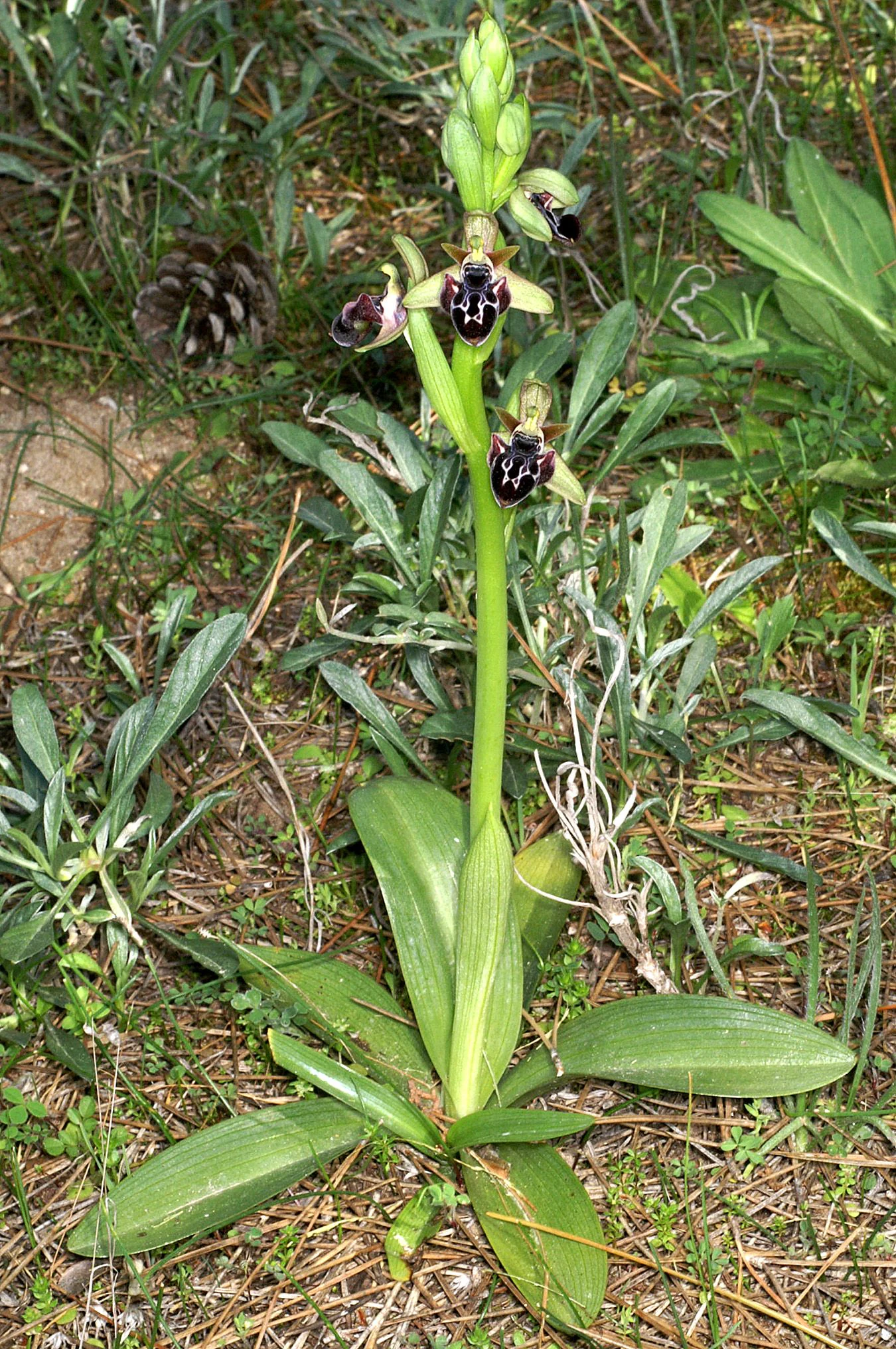
A close-up vertical shot of an Ophrys kotschyi orchid with green leaves and distinct patterned flowers with dark purple and white markings.
The Kotschy's bee orchid, Ophrys kotschyi, flowering in its natural habitat in the Akamas Peninsula.

Chersonisos Akama conservation status and protection priorities

Chersonisos Akama's conservation value lies in its role as one of the largest surviving blocks of relatively unmodified eastern Mediterranean habitat in Cyprus. Within its borders it concentrates habitat types and species that have become fragmented or lost elsewhere in the region, including several priority habitats under the EU Habitats Directive and priority species such as the monk seal, loggerhead turtle, and green turtle.

The site's Botanical importance is exceptional. With around 700 recorded plant species and 42 endemics, including the microendemics Centaurea akamantis, Alyssum akamasicum, and the Cyprus tulip, it acts as a genetic reservoir for the island's flora. The combination of serpentine substrates and varied microclimates produces localised endemism that would be very difficult to replace if lost.

From a marine perspective, the seagrass meadows and sea caves within the site are a key conservation asset. Posidonia beds act as nurseries and carbon stores, while sea caves provide undisturbed refuge for monk seals and other cave-dwelling fauna. As part of the Natura 2000 network, the site is integrated into a wider European framework of monitoring, reporting, and management, giving it a stronger protection status than purely national designations.

Chersonisos Akama cultural meaning and human context

Although the source material focuses on the site's ecological rather than cultural profile, the Akamas region carries a long human presence tied to rural land use, with traditional grazing, small-scale agriculture, and seasonal exploitation of forest products shaping parts of the landscape. The peninsula has been associated in local culture with the legend of Aphrodite and the Baths of Aphrodite near the coast, and it remains an area of local identity for nearby communities in the Paphos district, even as conservation priorities have grown in recent decades.
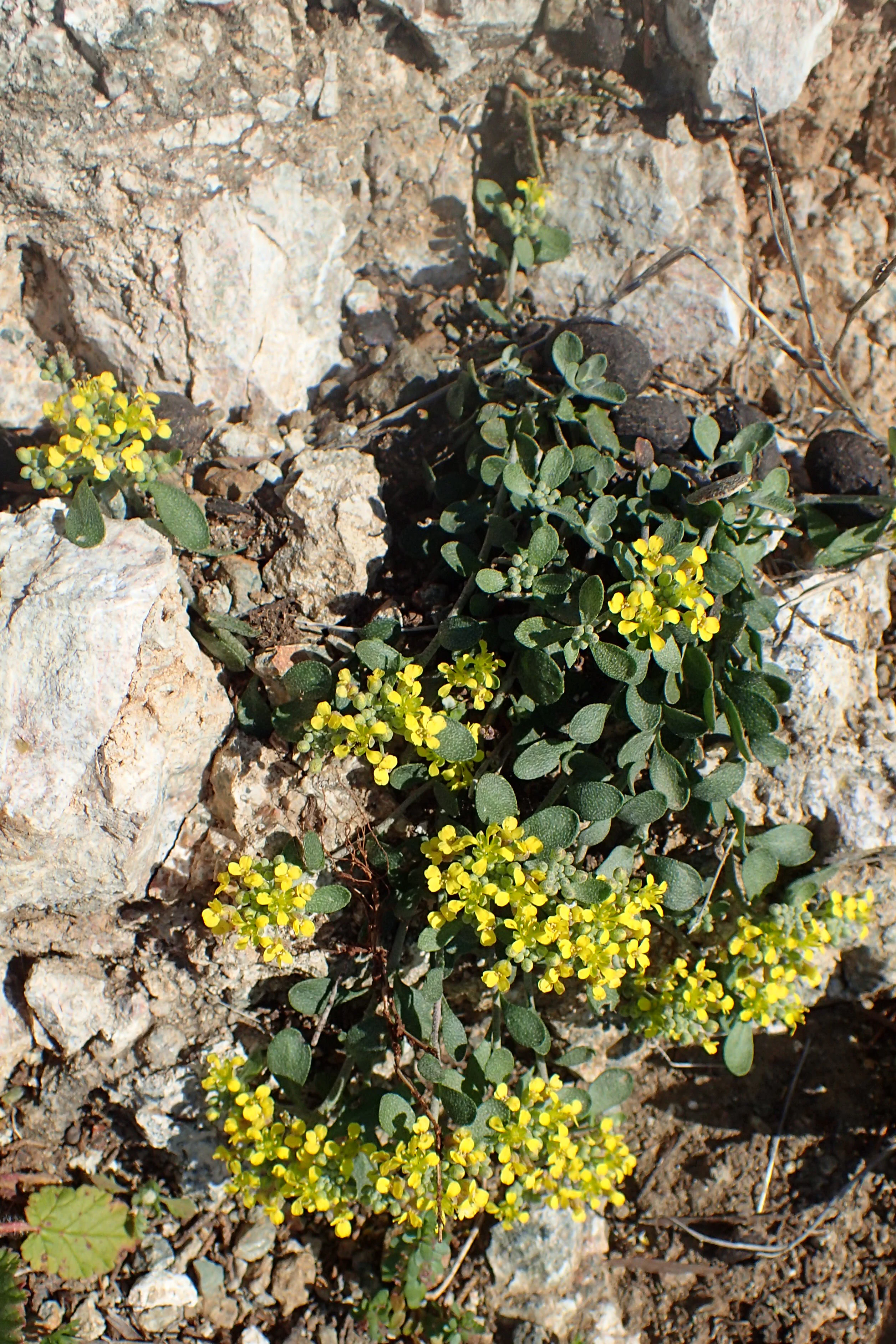
A cluster of Alyssum akamasicum with small bright yellow flowers and dull green leaves growing from a rocky crevice.
The Alyssum akamasicum, a rare endemic plant species native to the Akamas Peninsula.

Top sights and standout views in Chersonisos Akama

Almost 18,000 hectares of protected land and sea covering most of the Akamas Peninsula in northwestern Cyprus.

One of the most intact eastern Mediterranean habitat mosaics anywhere, with 22 terrestrial habitat types including six EU priority types.

Around 700 plant species and 42 endemics, including species essentially restricted to the Akamas Peninsula such as Centaurea akamantis and the Cyprus tulip.

A stronghold for the endangered Mediterranean monk seal, nesting loggerhead and green turtles, and a diverse bat community that uses caves and forests.

A key breeding and migration site for around 160 bird species, from Bonelli's eagles and peregrines to Eleonora's falcons and the Cyprus-endemic wheatear and warbler.

Underwater seascapes of Posidonia meadows, Cystoseira reefs, and submerged sea caves, rare in the Mediterranean as a whole.
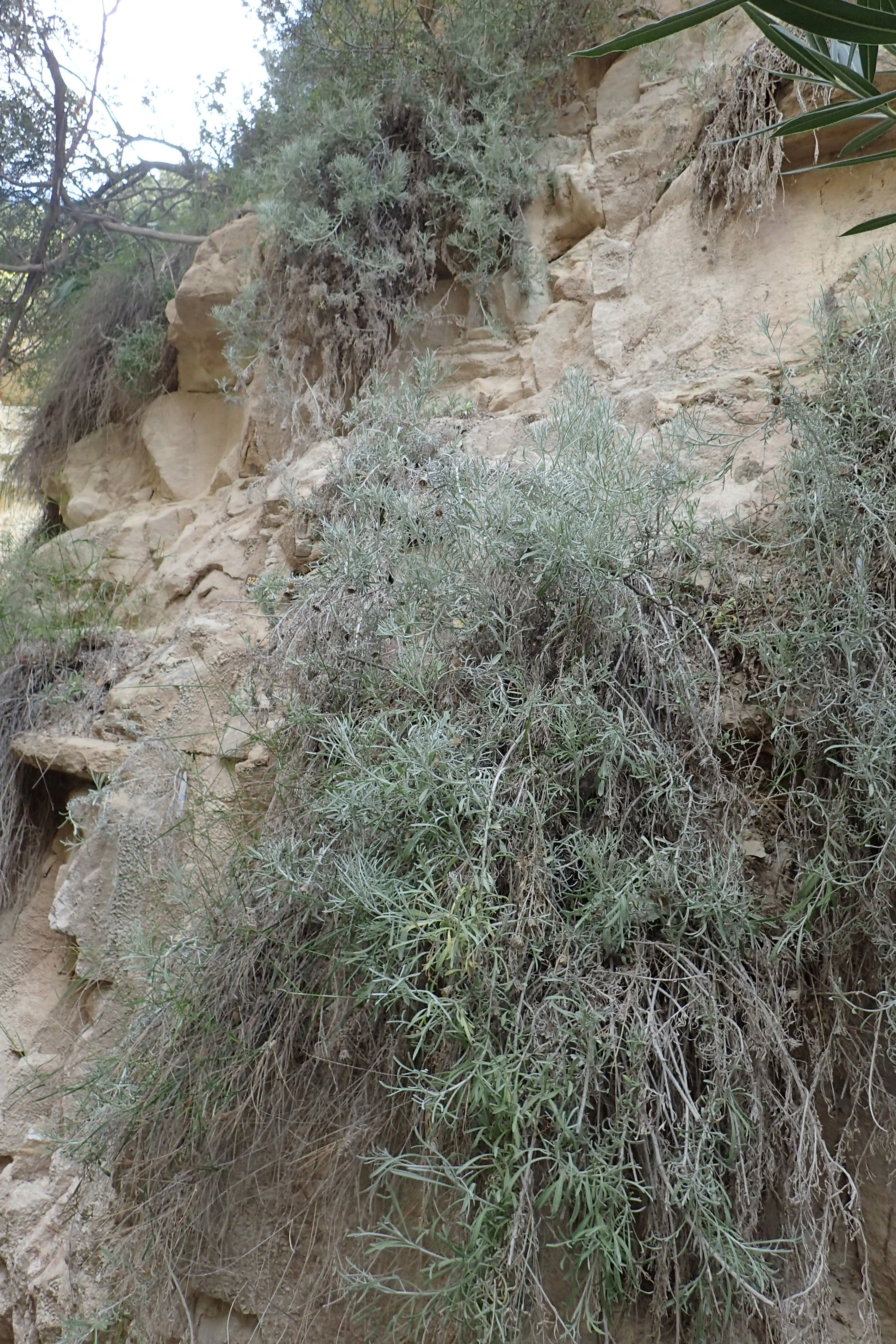
A close-up view of a dusty, silver-green bushy plant growing out of a pale limestone cliff face.
A specimen of the endemic plant Centaurea akamantis growing on a rocky slope in Avakas Gorge.

Best time to visit Chersonisos Akama

Spring, from roughly March to May, is widely considered the most rewarding period for exploring Mediterranean habitats like those at Chersonisos Akama. Temperatures are mild, the landscape is green, wildflowers including orchids and endemic species are at their peak, and bird activity is high as both residents and returning migrants are in song. Autumn, from September into November, is a second strong window, with cooler temperatures, raptor passage, and seasonal changes in vegetation that can make wildlife viewing productive.

Summer tends to be hot and dry across Cyprus, with vegetation parched and many bird species quiet, while heavy winter weather is short-lived and, while green, reduces access to coastal tracks. Travellers interested specifically in sea turtle nesting, where present on the peninsula, would expect the highest activity in the warmer months, while bat and breeding-bird interest is concentrated in the spring and early summer.
Monthly climate preview

Measured annual temperature and monthly precipitation patterns for Chersonisos Akama

Chersonisos Akama Climate Normals and Long Term Weather by Month

Long-term representative point measurements track monthly shifts in average temperature and precipitation across Chersonisos Akama. Reviewing the complete twelve-month climatology profile provides deeper insight into local environmental norms and seasonal variations.
Annual mean19 °C
11 °C27 °C
Jan11°
Feb11°
Mar13°
Apr16°
May20°
Jun24°
Jul27°
Aug27°
Sep25°
Oct21°
Nov17°
Dec13°
Warmest month
August

27.2 °C

Coolest month
January

11.1 °C

Wettest month
December

2.8 mm/day

Driest month
July

0.1 mm/day

Park location guide

Geography guide, regional context, and park location map for Chersonisos Akama

Chersonisos Akama park geography, regions, and map view in Cyprus

Understand where Chersonisos Akama sits in Cyprus through a broader geographic reading of the surrounding landscape, nearby location context, and its mapped position within the national park landscape.

How Chersonisos Akama fits into Cyprus

Cyprus is an island nation in the eastern Mediterranean Sea, positioned at the crossroads of Europe, Africa, and Asia. The Republic of Cyprus governs the southern portion of the island, with Nicosia as its capital and largest city. The island has a complex political situation due to the Turkish occupation in the north and contains British military bases in the south. Cyprus gained independence from Britain in 1960 and is a member of the European Union.

Wider geography shaping Chersonisos Akama in Cyprus

Cyprus is an island located in the eastern Mediterranean Sea, off the coast of the Levant in West Asia. The island lies approximately 75 km south of Turkey, 105 km west of Syria, and 380 km north of Egypt. The terrain varies from mountainous regions in the north and interior to plains and coastal areas. The Troodos Mountains dominate the central and southwestern part of the island. The island has no land borders as it is entirely surrounded by sea.

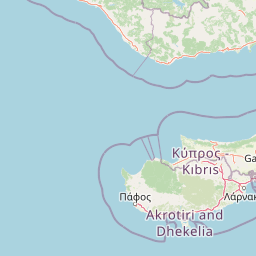
Map view of Chersonisos Akama

Use this park location map to pinpoint Chersonisos Akama in Cyprus, understand its exact geographic position, and read its mapped placement within the surrounding landscape more clearly.

Pigeon | © OpenStreetMap contributors

Location context for Chersonisos Akama

Paphos District
Recorded earthquake history

Review the Chersonisos Akama Historical Earthquake Catalogue and Seismic Data

Examine the historical record of seismic activity associated with the Chersonisos Akama protected area. MoriAtlas provides a clear, filterable database of past earthquake events, including magnitude and epicentre location, to assist in understanding the regional seismic context of this significant Mediterranean landscape.

Chersonisos Akama Earthquake History

Catalogued events

348 events

Strongest magnitude

Magnitude 6.8

Most recent event

Dec 12, 2025

This history includes earthquakes recorded inside the park or within 50 km of its borders

Explore protected habitats, coastal terrain, and Mediterranean ecosystems through field photography.

Chersonisos Akama Photos and Landscape Scenery Visual Guide

Visual documentation of Chersonisos Akama reveals the complex terrain of the Akamas Peninsula, featuring pine forests, juniper woodlands, and rugged sea cliffs. Examining detailed park photography helps researchers understand habitat mosaics, coastal ecosystems, and protected marine environments across the region.

A black-tailed godwit standing on dark, uneven rocks with a blurred blue water background.

A high vantage point view looking down from a rocky summit over the rolling green hills and coastline of the Akamas Peninsula in Cyprus, surrounded by the blue Mediterranean Sea under a cloudy sky.

A small bird with brownish, streaked plumage, identified as a meadow pipit, standing on a bright sandy surface with dark seaweed debris nearby.

A Schneider's skink with yellowish skin and orange spots resting on light-colored sandy ground.

A close-up vertical shot of an Ophrys kotschyi orchid with green leaves and distinct patterned flowers with dark purple and white markings.

A loggerhead sea turtle swimming through murky underwater environments, with several small fish visible in the background.

A cluster of Alyssum akamasicum with small bright yellow flowers and dull green leaves growing from a rocky crevice.

A close-up view of a dusty, silver-green bushy plant growing out of a pale limestone cliff face.

A small brownish bird, identified as a greater short-toed lark, standing on a ground covered with gray pebbles and rocks.

Park atlas

Continue comparing regional park geography and connected Mediterranean habitats.

Exploring Other Parks Near Chersonisos Akama and Surrounding Protected Landscapes

Browsing other protected areas near Chersonisos Akama reveals broader ecological patterns across the surrounding regional terrain. Comparing adjacent coastal reserves and woodland habitats provides deeper context for Mediterranean conservation landscapes.
Nature reserveCyprus
2.5 km away#1 closest

East

Periochi Skoulli Nature Reserve: Protected Landscape and Regional Geography in Cyprus

Mediterranean habitats and migratory bird refuge in Paphos

Periochi Skoulli is a highly concentrated nature reserve in Cyprus that safeguards a variety of unique terrestrial habitats. From rare riparian forest galleries and oak woodlands to seasonal wet meadows, this site provides a critical micro-landscape for Mediterranean biodiversity. The mapped boundaries reveal a vital stepping stone for migratory bird routes, representing a focused example of protected terrain within the diverse Paphos regional geography.

Area
1.002 km²
Established
2002
Nature reserveCyprus
2.8 km away#2 closest

Southeast

Koili - Mavrokolympos Nature Reserve: Mapping the Protected Landscapes of Interior Cyprus

A vital Mediterranean sanctuary defined by diverse habitats and limestone terrain.

Koili - Mavrokolympos stands as an essential nature reserve in the Cypriot interior, encompassing a dense mosaic of cypress forests, Oriental plane woodlands, and sun-drenched phrygana. This protected area offers deep insight into Mediterranean biodiversity, highlighting the intersection of complex hydrology and rocky, undulating limestone topography within a compact, ecologically significant boundary.

Area
2.968 km²
Established
2002
Relief
Mixed relief
Climate
Mediterranean
Nature reserveCyprus
About 3.5 km away#3 closest

Southeast

Farangia Agias Aikaterinis - Agias Paraskevis: Nature Reserve and Mediterranean Gorge Geography

Mapping protected habitats and bird conservation zones in central Cyprus.

This protected natural area features dramatic gorge terrain and diverse Mediterranean scrubland, serving as a sanctuary for numerous bird species. Designated under the Natura 2000 network as a Special Protection Area, it provides essential habitat connectivity within the broader landscape of Cyprus, making it a critical point for understanding regional ecological conservation and avian biodiversity patterns.

Area
12.035 km²
Established
2007
Climate
Mediterranean
Scope
Terrestrial
Nature reserveCyprus
3.7 km away#4 closest

East

Periochi Polis - Gialia Nature Reserve: Mapped Protected Area in Northwestern Cyprus

Coastal dunes, riparian thickets, and marine conservation zones

Periochi Polis - Gialia is a significant nature reserve along the northwestern coast of Cyprus. The site preserves a rare confluence of marine and terrestrial landscapes, including saline marshes, mobile sand dunes, and riverine galleries that host a wide range of protected bird species and marine wildlife.

Area
17.501 km²
Established
2002
Nature reserveCyprus
8.5 km away#5 closest

Southeast

Koilada Ezousas: Protected Inland Valley Landscapes and Map Geography in Western Cyprus

Natura 2000 designated nature reserve in the Paphos district

Koilada Ezousas represents a strategically mapped protected area in western Cyprus, characterized by its extensive inland valley terrain. The site acts as a critical refuge within the Mediterranean ecoregion, supporting a high concentration of raptors and endemic passerines. Understanding its geographic spread provides insight into the broader network of protected corridors across the island.

Area
56.27 km²
Established
2019
Climate
Mediterranean
Scope
Terrestrial
Protected areaCyprus
9.2 km away#6 closest

East

Dasos Pafou: Protected Forest Landscapes and Geographic Terrain of Western Cyprus

Extensive Mediterranean woodland and riparian habitat mosaic

Dasos Pafou serves as a cornerstone of conservation in western Cyprus, protecting a vast contiguous area of pine forests, oak woodlands, and rocky gorges. The site offers a detailed look at the island's diverse ecological character, blending high-altitude conifer stands with deep valley river systems to create a unique Mediterranean landscape atlas.

Area
602.259 km²
Established
2005
Relief
Mixed relief
Climate
Mediterranean
Nature reserveCyprus
About 12 km away#7 closest

South

Faros Kato Pafou Nature Reserve: Coastal Protected Area Geography and Map

Essential Mediterranean habitat and bird protection site in Cyprus

Examine the ecological footprint of Faros Kato Pafou, a significant nature reserve on the Cyprus coast. This site protects a dense sequence of Mediterranean habitats, including shifting dunes, sea-cliff flora, and native forest. Its high concentration of protected bird species highlights the importance of preserving compact, intact coastal corridors within the broader eastern Mediterranean geography.

Area
0.877 km²
Established
2005
Relief
Lowland
Climate
Mediterranean
Nature reserveCyprus
About 12 km away#8 closest

Southeast

Kremmoi Ezousas Nature Reserve: Protected Inland Foothills and Bird Habitat in Cyprus

Mapped Mediterranean valley terrain and avian conservation zones

Situated in the inland valleys of western Cyprus, Kremmoi Ezousas functions as a key Special Protection Area within the Mediterranean ecoregion. The reserve supports a complex landscape of scrubland and seasonal watercourses that provide crucial breeding, wintering, and migratory refuge for dozens of bird species including raptors and passerines.

Area
15.7 km²
Established
2008
Climate
Mediterranean
Scope
Terrestrial

Common questions about visiting, size, designation, and location context for Chersonisos Akama

Chersonisos Akama FAQs for park facts, access, geography, and protected area context

Find quick answers about Chersonisos Akama, including protected-area facts, park geography, trail and visitor context, and how the park fits into its surrounding country and regional landscape.
MoriAtlas Explorer

Continue Your Protected Areas Search Across the Global Atlas

Deepen your exploration by continuing the structured search for national parks and protected areas worldwide. Utilize the comprehensive filtering capabilities to compare different conservation landscapes and refine your understanding of global park geography. Discover more about the distribution and characteristics of protected natural areas.

Global natural geography