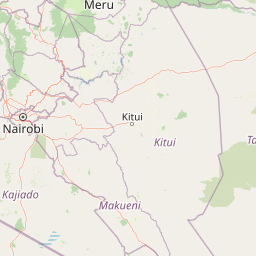
Why Chyulu Hills National Park stands out
Chyulu Hills National Park is best known for its dramatic volcanic landscape of craggy basalt peaks, ancient lava flows, and the impressive Shetani lava flow. The hills contain numerous volcanic caves and tunnels formed by ancient eruptions, some of which contain archaeological significance. The park's isolated highland forests host populations of endemic birds and small mammals, while the contrasting ecosystems from savanna plains to volcanic highlands create a visually striking and ecologically diverse protected area.
Chyulu Hills National Park history and protected-area timeline
Chyulu Hills National Park was established as part of Kenya's national park system to protect the volcanic hills and their ecological functions. The area was originally designated as forest reserve before gaining national park status, reflecting the importance of the watershed and the unique highland habitats. The park's establishment also aimed to provide ecological connectivity with the broader Tsavo conservation area. The volcanic landscape holds archaeological significance, with cave systems having yielded evidence of early human occupation in the region.
Chyulu Hills National Park landscape and geographic character
The Chyulu Hills rise dramatically from the surrounding East African savanna, forming a roughly 100-kilometer-long volcanic mountain range. The landscape is characterized by young basaltic volcanic formations including cinder cones, crater remnants, and extensive lava flows. The most notable feature is the Shetani lava flow, a stark black expanse of volcanic rock that contrasts sharply with the surrounding golden grasslands. The hills reach elevations exceeding 2,000 meters, with the highest peaks supporting montane forest vegetation. Between the volcanic ridges, ancient river valleys and cave systems provide additional topographic variety. The visual contrast between the dark volcanic peaks and the lighter savanna plains creates a striking landscape of considerable aesthetic value.
Chyulu Hills National Park ecosystems, habitats, and plant life
The Chyulu Hills support a range of habitats that contrast sharply with the surrounding lowland environments. The higher elevations hold patches of montane forest dominated by juniper and olive species, while the middle slopes feature dense bushland and thicket. The lava flow areas support specialized pioneer vegetation adapted to the harsh volcanic substrate. These varied habitats create an ecological island effect, with species adapted to higher elevations potentially showing isolation from lowland populations. The park serves as an important watershed, with numerous springs and streams originating in the hills and flowing outward to support communities and wildlife in the surrounding plains.
Chyulu Hills National Park wildlife and species highlights
The wildlife of Chyulu Hills reflects the transitional nature of the ecosystem, with species from both highland and savanna environments present. The park supports populations of elephants that use the hills as a dry-season refuge, as well as buffalo, giraffes, and various antelope species. The forest patches host diverse birdlife including turacos, hornbills, and sunbirds. The volcanic caves provide roosting sites for various bat species. The relatively intact nature of the habitat corridor allows for wildlife movement between the hills and the broader Tsavo ecosystem.
Chyulu Hills National Park conservation status and protection priorities
Chyulu Hills National Park plays an important conservation role in southeastern Kenya by preserving a unique volcanic highland ecosystem that differs significantly from the savanna habitats typical of the region. The protected area maintains ecological connectivity between higher elevation forests and lowland ecosystems, supporting biodiversity and enabling wildlife movement. The watershed function of the hills provides critical water resources for both wildlife and local pastoralist communities. The park also contributes to the broader conservation framework of the greater Tsavo region, adding landscape diversity and ecological resilience to the protected area network.
Chyulu Hills National Park cultural meaning and human context
The Chyulu Hills and surrounding plains are traditionally inhabited by Maasai pastoralist communities whose livestock grazing practices have shaped the landscape over centuries. The volcanic hills hold cultural significance for local communities, and the cave systems have archaeological importance indicating long human occupation of the area. The relationship between traditional pastoralist land use and conservation objectives represents an important aspect of the park's management context.
Top sights and standout views in Chyulu Hills National Park
The Shetani lava flow stands as the park's most dramatic geological feature, a vast black volcanic expanse that is one of the most recent lava flows in the region. The volcanic cave systems offer exploration opportunities and provide important archaeological context. The views from the hilltops across the contrasting savanna plains below are particularly striking. The park provides a quieter, less-visited alternative to the major Tsavo parks while offering a distinctly different landscape of volcanic highlands.
Best time to visit Chyulu Hills National Park
The best time to visit Chyulu Hills National Park is during the dry seasons from June to October and January to February, when wildlife viewing is most reliable and access to the park is easier. The wet seasons from March to May and November to December can make some roads impassable and wildlife more dispersed, though the landscapes are greener and birdlife is more active. The cooler highland temperatures provide a pleasant contrast to the warmer lowland areas.