Why Coiba National Park stands out
Coiba National Park is renowned for its extraordinary marine biodiversity, hosting 760 species of marine fishes, 33 shark species, and 20 cetacean species including humpback whales, pilot whales, killer whales, and dolphins. The island is one of the last strongholds of the scarlet macaw in Central America, with large populations still thriving in the wild. The park's isolation produced unique endemic species including the Coiba Island howler monkey and Coiba spinetail, which have diverged significantly from their mainland relatives over millennia of separation.
Coiba National Park history and protected-area timeline
Coiba Island's natural history begins with its geological separation from continental Panama between 12,000 and 18,000 years ago, when rising sea levels created the island's current island status. This separation initiated an evolutionary experiment, as plant and animal populations on the island became isolated from mainland gene pools. Over the millennia, many species diverged significantly from their mainland counterparts, giving rise to endemic subspecies adapted to the island's specific conditions.
Human history on the island took a darker turn in 1919 with the establishment of a penal colony. The prison's notoriety grew particularly during the latter half of the twentieth century when Panama was under dictatorial rule, and the facility became associated with brutal conditions, torture, executions, and political murders. Estimates suggest hundreds of prisoners may have died during this period. The island was largely avoided by local populations, and aside from the prison facilities, the island remained completely undeveloped.
The prison officially closed in 2004, opening the possibility for the island's conversion to protected area status. The pristine condition of the island's forests and the surrounding marine environments, maintained in part due to the isolation imposed by the prison's dark reputation, made Coiba ideal for conservation. The creation of Coiba National Park in 1992 had already provided formal protection, but post-closure development has focused on sustainable management and ecological restoration.
Coiba National Park landscape and geographic character
The landscape of Coiba National Park is defined by the island's mountainous interior rising from the Pacific coast, with terrain that supports dense tropical forest coverage spanning approximately 75% of the island's surface. A significant portion of this forest comprises ancient growth stands, representing ecosystems that have persisted largely undisturbed for centuries. The island's coastline features diverse beach formations, rocky shores, and mangrove systems that transition between terrestrial and marine environments.
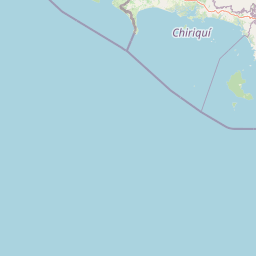
The surrounding marine environment within the Gulf of Chiriquí encompasses coral reef formations, open water habitats, and the productive waters surrounding the 38 smaller islands included within the park boundaries. This marine landscape supports the exceptional biodiversity that distinguishes Coiba from other protected areas in Central America. The gulf's geographic configuration provides natural protection and temperature buffering that supports thriving coral communities despite regional climate variability.
Coiba National Park ecosystems, habitats, and plant life
The ecological character of Coiba National Park reflects both its island isolation and its position within the Gulf of Chiriquí marine ecosystem. The terrestrial environment supports old-growth tropical forest that has remained largely intact despite regional deforestation pressures on the Panamanian mainland. This forest provides habitat for endemic species that evolved in isolation following the island's separation from the continent, creating a unique biological community found nowhere else on Earth.
The marine environments within the park represent outstanding biodiversity, supported by the gulf's capacity to resist temperature extremes that affect other eastern Pacific locations during El Niño events. This environmental stability allows coral reef communities and associated fish populations to maintain higher diversity than might otherwise occur. The park's designation as an Important Bird Area recognizes its significance for species including brown-backed doves, Coiba spinetails, and three-wattled bellbirds.
Coiba National Park wildlife and species highlights
Coiba National Park supports remarkable wildlife populations both on land and in the surrounding waters. The island's endemic species include the Coiba Island howler monkey and the Coiba spinetail, both of which have developed distinct characteristics from their mainland relatives following millennia of evolutionary isolation. The park is also one of the last locations in Central America where the scarlet macaw persists in significant wild populations, a species that has been eliminated from much of its historical range.
The marine wildlife within the park's protected waters includes exceptional diversity, with 760 species of marine fishes, 33 shark species, and 20 species of cetaceans documented within the park boundaries. Humpback whales, pilot whales, killer whales, and dolphins regularly inhabit the park's marine zones, while sea turtles and manta rays utilize the protected coral reef and open water habitats. This concentration of marine species within a single protected area makes Coiba exceptionally significant for conservation.
Coiba National Park conservation status and protection priorities
Coiba National Park's conservation significance stems from its dual protection of both terrestrial and marine ecosystems of exceptional value. The UNESCO World Heritage designation in 2005 recognized the outstanding universal value of the island's endemic species, ancient forests, and the surrounding marine environments. The park's marine protection zone provides critical habitat for species of international conservation concern, including numerous cetaceans, sea turtles, and shark species.
The island's history as an isolated penal colony inadvertently contributed to its conservation value, as the difficult terrain and dark reputation kept development pressures minimal while maintaining relatively intact forest ecosystems. The transition from penal facility to protected area has required management approaches that balance ecological restoration with the legacy of the island's human history. The park's classification as an Important Bird Area further reinforces its international conservation importance.
Coiba National Park cultural meaning and human context
Coiba Island carries a complex cultural legacy shaped by its history as a penal colony. The facility operated from 1919 until 2004, gaining particular notoriety during periods of political repression under dictatorial rule when the prison became synonymous with torture, political murder, and brutal conditions. This history left deep scars in local memory and contributed to the island's avoidance by surrounding communities.
The prison's closure in 2004 transformed the island's identity from a place of punishment to one of conservation and discovery. Local communities in the Veraguas Province now engage with the island primarily through the lens of environmental protection and sustainable tourism. The park management works to acknowledge the island's difficult history while focusing on its ecological restoration and the economic opportunities that sustainable visitation may provide to the region.
Top sights and standout views in Coiba National Park
Coiba National Park stands out as Central America's largest island park with UNESCO World Heritage status, protecting 38 islands and extensive marine environments within the Gulf of Chiriquí. The island's evolutionary isolation produced unique endemic species including the Coiba Island howler monkey and Coiba spinetail, while the surrounding waters host 760 fish species, 33 shark species, and 20 cetacean species including regular humpback whale sightings. The park retains approximately 75% forest cover with significant ancient growth stands, and supports one of Central America's last significant wild populations of scarlet macaws.
Best time to visit Coiba National Park
Coiba National Park can be visited year-round given its tropical location, though the dry season from December through April typically offers more comfortable conditions for outdoor exploration. Marine wildlife viewing, particularly whale watching, is most productive during the humpback whale migration season which peaks between July and November when whales pass through the Gulf of Chiriquí. The park's marine ecosystems maintain relatively stable conditions due to the gulf's buffering capacity, though sea conditions may vary with seasonal weather patterns.