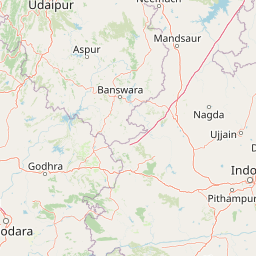
Why Dinosaur Fossils National Park stands out
The park is best known for its remarkable Late Cretaceous fossil deposits, particularly the well-preserved dinosaur eggs that represent some of the oldest known nesting sites in Asia. The fossil beds have yielded skeletal remains of sauropod dinosaurs and abelisaurid theropods, providing valuable insight into the Cretaceous fauna of the Indian subcontinent. The site also preserves fossilized teeth of prehistoric sharks, petrified wood, and marine invertebrate fossils, offering a comprehensive view of the ancient ecosystem that existed in this region during the Late Cretaceous period, approximately 66 to 100 million years ago.
Dinosaur Fossils National Park history and protected-area timeline
The fossil-rich terrain around Bagh has been known to local communities for generations, with tribal inhabitants of the surrounding region worshipping the petrified stone eggs as their guardian deity for centuries before the scientific community became aware of their significance. Fossil discoveries in the Bagh region were first documented in the early 2000s, marking the beginning of formal scientific investigation into the site's paleontological value. The pivotal moment came in 2006 when researchers discovered a well-preserved dinosaur egg, generating substantial interest among scientists and prompting increased attention from the Madhya Pradesh state government. Subsequent investigations uncovered additional eggs, dinosaur bone fragments, and fossils of ancient marine species, confirming the exceptional scientific importance of the Bagh fossil beds. In response to these findings, the Government of Madhya Pradesh declared the area a protected fossil park in 2011, establishing the legal framework for conservation and management of the fossil resources. More recently, in 2022, the Madhya Pradesh Ecotourism Development Board initiated preparations to nominate the site for UNESCO Global Geopark status, recognizing its potential for promoting scientific research, heritage conservation, and sustainable tourism.
Dinosaur Fossils National Park landscape and geographic character
The park is situated within the Narmada Valley, a prominent geological feature of central India characterized by its sedimentary rock formations. The terrain consists of Cretaceous-age sedimentary deposits that have preserved the fossil material over millions of years. The landscape around Bagh features undulating terrain typical of the Vindhya Range region, with rocky outcrops and exposed fossil-bearing strata. The area's geology reflects the ancient marine and terrestrial environments that existed during the Late Cretaceous period, when much of present-day central India was covered by shallow seas and coastal plains that provided ideal conditions for dinosaur nesting and fossil preservation. The physical setting combines the rugged character of the Vindhya foothills with the more subdued topography of the Narmada basin, creating a landscape of moderate elevation that has yielded significant paleontological discoveries.
Dinosaur Fossils National Park ecosystems, habitats, and plant life
The ecological character of Dinosaur Fossils National Park centers on its geological and paleontological significance rather than contemporary biodiversity. The park's primary ecological value lies in its fossil assemblages, which provide evidence of the ancient ecosystems that existed during the Late Cretaceous period. The sedimentary formations contain remains of the prehistoric marine environment that covered much of central India during the Cretaceous, including evidence of ancient seas teeming with marine invertebrates and sharks. The fossil record also includes petrified wood and plant remains, offering glimpses of the terrestrial vegetation that supported the dinosaurs whose eggs and bones have been found at the site. While the present-day terrestrial environment supports typical species of the Madhya Pradesh region, the park's nature value is predominantly geological and paleontological, preserving evidence of life from approximately 66 to 100 million years ago.
Dinosaur Fossils National Park wildlife and species highlights
While Dinosaur Fossils National Park is primarily significant for its paleontological resources rather than contemporary wildlife, the area supports typical fauna of the central Indian forests. The region around Bagh falls within a transitional zone between the dry deciduous and moist deciduous forest types of Madhya Pradesh. Common wildlife in the broader Dhar district area includes various species of deer, small mammals, and bird species adapted to the agricultural and forest mosaic of the region. The park's primary wildlife value, however, lies in its fossil record, which documents the prehistoric faunal diversity of the Late Cretaceous period, including herbivorous dinosaurs that laid the eggs found at the site, carnivorous abelisaurid theropods, and ancient marine species including sharks and invertebrates that inhabited the Cretaceous seas that covered this region.
Dinosaur Fossils National Park conservation status and protection priorities
The park holds significant conservation value as one of India's designated fossil preservation areas, protecting in-situ fossil material that provides irreplaceable scientific records of prehistoric life. The conservation framework aims to preserve the fossil beds in their original context, maintaining the scientific value of the site for ongoing and future paleontological research. The 2011 establishment of protected status created legal mechanisms to prevent unauthorized collection or damage to the fossil resources. The proposed UNESCO Global Geopark nomination, initiated in 2022, represents an ambitious conservation and recognition initiative that would elevate the site's profile and potentially bring additional resources for preservation and sustainable management. Conservation efforts also include development of visitor infrastructure and interpretive facilities designed to enhance public awareness of India's paleontological heritage while minimizing impacts on the sensitive fossil deposits.
Dinosaur Fossils National Park cultural meaning and human context
The Bagh fossil site carries deep cultural significance for the local tribal communities who have lived in the region for generations. For centuries before scientific recognition of the site's paleontological importance, tribal inhabitants venerated the petrified stone eggs as sacred objects, treating them as guardian deities of their community. This traditional reverence for the fossil eggs reflects a broader pattern of indigenous respect for natural features and geological formations that appears across various tribal communities in India. The cultural context of the site adds dimension to its significance, connecting the scientific value of the fossil beds to the living heritage of communities who have maintained a relationship with this landscape over many generations. Understanding this cultural dimension enriches the site's narrative and underscores the importance of engaging local communities in conservation and management efforts.
Top sights and standout views in Dinosaur Fossils National Park
The park preserves some of the oldest known dinosaur nesting sites in Asia, with exceptional Late Cretaceous fossil deposits including well-preserved dinosaur eggs, sauropod and abelisaurid skeletal remains, prehistoric shark teeth, petrified wood, and marine invertebrate fossils. The site offers a rare window into the Cretaceous period ecosystem of the Indian subcontinent, documenting the prehistoric fauna and environment of central India approximately 66 to 100 million years ago. The combination of scientific significance, cultural heritage value through traditional tribal reverence, and the ongoing UNESCO Global Geopark nomination process makes this protected area particularly notable among India's fossil preservation sites.
Best time to visit Dinosaur Fossils National Park
The park can be visited throughout the year, though the cooler months from October through March offer more comfortable conditions for exploration of the outdoor site. Summer months in Madhya Pradesh can be extremely hot, with temperatures potentially making outdoor activities during midday uncomfortable. The monsoon season from June through September brings rainfall that can affect access and visibility at the fossil site. Visitors interested in paleontological interpretation should inquire about current visitor facilities and guided access, as infrastructure development is ongoing.