Why Ein Hemed National Park stands out
Ein Hemed is best known for its well-preserved Byzantine agricultural terraces and the ancient spring that gives the site its name. The combination of historical archaeological features, including remnants of settlement structures and water management systems, set this park apart from purely natural reserves. Visitors can explore walking paths that follow the terrace walls and pass by the spring, experiencing a landscape that has been cultivated and inhabited for over a thousand years.
Ein Hemed National Park history and protected-area timeline
The history of Ein Hemed is tied to its reliable water source, which has supported continuous human presence in the area for millennia. The Byzantine period saw the most extensive development of agricultural infrastructure, with farmers constructing the terrace systems that remain a defining feature of the landscape. These terraces enabled cultivation of the steep slopes by creating level planting surfaces and managing water runoff. The settlement at Ein Hemed was part of the broader Byzantine agricultural expansion in the Judean region during the 4th through 6th centuries CE. Following the Byzantine period, the site continued to be used for agriculture and settlement, with various periods of occupation and abandonment. The area was declared a national park to preserve both the archaeological remains and the natural landscape, recognizing the site as a valuable record of human-environment interaction in the Judean Mountains.
Ein Hemed National Park landscape and geographic character
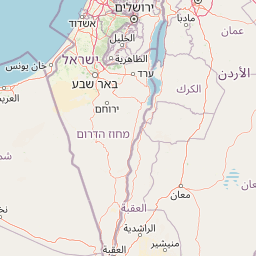
The landscape of Ein Hemed National Park is characterized by rolling hills of the Judean Mountains, naturalized by Mediterranean woodland vegetation. The terrain is hilly with elevation changes that ancient farmers addressed through terrace construction. A seasonal spring emerges from the limestone bedrock, providing the hydrological anchor around which the park's cultural and natural features developed. The park contains a mix of open grassy areas, dense woodland patches, and the distinctive linear patterns of ancient terrace walls. Stone remains of historical structures are scattered throughout, integrated with the natural vegetation. The overall visual character combines the results of centuries of human landscape modification with the natural plant communities of this part of Israel.
Ein Hemed National Park ecosystems, habitats, and plant life
The natural environment of Ein Hemed represents typical Judean Mountain Mediterranean woodland. The vegetation includes evergreen and deciduous trees adapted to the region's wet winters and dry summers. Common species include Jerusalem pine, Palestine oak, carob, and various Mediterranean shrubs. The presence of the spring creates a more lush area near the water source, supporting different plant communities than the surrounding drier slopes. The park provides habitat for common bird species of the region and smaller mammals adapted to woodland and rocky terrain. The combination of natural vegetation and historical terrace landscape creates a mosaic habitat that supports biodiversity while preserving cultural heritage features.
Ein Hemed National Park wildlife and species highlights
Wildlife in Ein Hemed National Park reflects typical Judean Mountain fauna. Bird species common to Mediterranean woodland habitats can be observed throughout the park, including various songbirds and raptors that inhabit the area. Small mammals such as rodents and foxes are present in the woodland and rocky areas. The seasonal spring and associated vegetation provide water and shelter for additional species, particularly during the dry summer months when surface water is scarce elsewhere in the region. While the park is not known for rare or endangered species, it serves as a green space within the heavily developed area between Jerusalem and the coast, providing habitat connectivity for wildlife in this part of Israel.
Ein Hemed National Park conservation status and protection priorities
Ein Hemed National Park is protected under Israel's national park legislation, administered by the Israel Nature and Parks Authority. The conservation focus combines preservation of archaeological features, including the Byzantine terrace systems and associated structures, with protection of the natural Mediterranean woodland ecosystem. The park serves as a living example of historical agriculture and provides valuable data for understanding ancient land-use practices in the Judean Mountains. Management objectives include maintaining the cultural landscape while allowing natural processes to continue in less intensively used areas. The park also functions as an environmental education site, demonstrating the long history of human interaction with the landscape in this region.
Ein Hemed National Park cultural meaning and human context
Ein Hemed reflects the long history of human settlement in the Judean Mountains, where access to reliable water sources determined location choices for farming communities. The Byzantine agricultural terraces represent a period of significant landscape modification in this region, when population centers expanded and farmers developed techniques to cultivate less-accessible terrain. The name itself, meaning "Spring of the Flower," suggests the site's significance to local communities and the cultural value placed on the water source. The park provides tangible evidence of how ancient populations adapted to environmental constraints, transforming the landscape while working with natural features like springs and terrain variations. This cultural dimension connects modern visitors to the ongoing human history of the Judean landscape.
Top sights and standout views in Ein Hemed National Park
The Byzantine agricultural terraces at Ein Hemed are the most prominent historical feature, stretching across hillsides in well-preserved patterns that demonstrate ancient farming techniques. The natural spring provides a focal point and creates a more verdant area within the park, with walking paths that allow visitors to experience both the water feature and the surrounding woodland. Archaeological remains of settlement structures and water channels offer insight into daily life at this historical site. The combination of historical and natural features, within a relatively compact area accessible from Jerusalem, makes Ein Hemed a distinctive destination for visitors interested in both archaeology and nature.
Best time to visit Ein Hemed National Park
The optimal time to visit Ein Hemed National Park is during the spring months from March to May, when Mediterranean vegetation is lush and temperatures are comfortable for walking. The spring is most active during this period following winter rainfall, providing reliable water flow. Autumn from October to November also offers pleasant conditions, though the vegetation may be drier. Summer visits can be hot but early morning or late afternoon walks are possible. Winter brings cooler temperatures and possible rain, but the park remains accessible. The Mediterranean climate means any season offers a different experience of the landscape.