
Mori Atlas logo
Protected areaEthniko Dasiko Parko Rizoelias

Mapping the ecological mosaic of gypsum-rich vegetation and bird-sustaining shrubland habitats

Ethniko Dasiko Parko Rizoelias: A Representative Protected Mediterranean Landscape in Cyprus

Ethniko Dasiko Parko Rizoelias functions as a critical protected natural area within the Republic of Cyprus. This site serves as a vital node in the European Natura 2000 network, featuring a high-density mosaic of Mediterranean habitats including arborescent matorral, phrygana, and pseudo-steppe grasslands. The area provides essential breeding and migratory support for protected bird species, set against a backdrop of gypsum-linked soils and subtle, varied topography.

national forest parkNatura 2000Mediterranean ecosystemsbird protectionphrygana shrublandarborescent matorral

Ethniko Dasiko Parko Rizoelias

Protected area

Park overview

Structured park overview, official facts, and landscape profile for Ethniko Dasiko Parko Rizoelias

Ethniko Dasiko Parko Rizoelias park facts, protected area profile, and essential visitor context

Review the core facts for Ethniko Dasiko Parko Rizoelias, including designation, size, terrain, visitor scale, habitats, and operating context in one park-focused overview.

About Ethniko Dasiko Parko Rizoelias

Ethniko Dasiko Parko Rizoelias represents a compact but intensively protected pocket of Mediterranean ecology in the heart of Cyprus. The site's name reflects its status as a national forest park, and its placement within the Natura 2000 network places it alongside other European sites that share the same legal and ecological framework. Management of the area falls under Cypriot national authorities working in coordination with the broader European conservation objectives defined for the Mediterranean biogeographical region.

The ecological richness of the reserve lies in the way several Mediterranean habitat types intersect within a relatively small land area. Gypsophilous vegetation adapted to gypsum-rich substrates is paired with phrygana shrublands dominated by Sarcopoterium spinosum, a thorny dwarf-shrub community typical of heavily grazed Mediterranean landscapes. Patches of taller arborescent matorral with Ziziphus provide vertical structure that contrasts with the lower phrygana layer, while open pseudo-steppe grasslands of the Thero-Brachypodietea type contribute further habitat diversity. Together, these communities create the structural complexity that supports a varied bird community across seasons.

The park's importance for birdlife is reflected in its long list of protected species, which ranges from common European species to birds that are characteristic of Mediterranean breeding grounds. Songbirds such as warblers, robins, and finches are present alongside aerial insectivores like swifts, swallows, and the European bee-eater. Raptors such as the red-footed falcon (Falco vespertinus) and shrikes such as the woodchat shrike (Lanius senator) add a higher trophic level to the bird community, while ground-nesting species like the Eurasian skylark (Alauda arvensis) and various wheatears depend on the open pseudo-steppe and phrygana formations.

In addition to birds, the site supports at least seven reptile species, expanding its biodiversity value beyond avifauna alone. This multi-taxa richness, condensed into a forest park of modest size, helps explain why the reserve has accumulated three separate Natura 2000 designations over time, each responding to different aspects of its ecological importance.

Quick facts and research context for Ethniko Dasiko Parko Rizoelias

Ethniko Dasiko Parko Rizoelias is located in Cyprus, roughly in the central part of the island near the community of Rizoelia. It is entirely terrestrial, covering about 123.77 hectares. The site holds the Natura 2000 code CY6000006 and is registered on Wikidata as a designated protected area. It carries three overlapping Natura 2000 designations: Site of Community Importance, Special Area of Conservation, and Special Protection Area, making it one of the more thoroughly protected small reserves in the Cypriot Natura 2000 network.

The area was formally proposed as a Site of Community Importance in May 2004, was later added as a Special Protection Area for birds in December 2009, and was reclassified as a Special Area of Conservation in July 2021. These layered designations reflect an evolving recognition of the site's importance for both habitat conservation and bird protection.

Protection and recognition

Examine the terrestrial protection history and Natura 2000 recognition for Ethniko Dasiko Parko Rizoelias.

Ethniko Dasiko Parko Rizoelias Protection Status and Official Designation Record

Ethniko Dasiko Parko Rizoelias maintains documented terrestrial protection status established in 2021 alongside imported Natura 2000 recognition sources. Detailed administrative records trace the formal designation history and international conservation recognition associated with the protected landscape.

International recognition

Protection details

Protection scope
Terrestrial
Designated year
2021
Transboundary protection
No
Park context

Deeper park guide and search-rich context for Ethniko Dasiko Parko Rizoelias

Ethniko Dasiko Parko Rizoelias history, landscape, wildlife, and travel context

Explore Ethniko Dasiko Parko Rizoelias through its history, landscape character, ecosystems, wildlife, conservation priorities, cultural context, and seasonal travel timing in a structured park guide built for atlas discovery and search intent.

Why Ethniko Dasiko Parko Rizoelias stands out

Rizoelia is best known for the diversity of bird species that its Mediterranean habitats sustain, with 34 protected bird species associated with the site as a basis for its avifaunistic designation. The reserve also stands out for the unusual combination of gypsum-loving plant communities and traditional Mediterranean shrubland found within its small footprint, including rare arborescent matorral formations with Ziziphus that are ecologically distinctive within Cyprus. The site is recognized within the European Natura 2000 framework on the basis of both habitat types and species protection, which gives it a stronger protection profile than many similarly sized national reserves. Its position in the Mediterranean ecoregion, combined with its triple Natura 2000 status, is what most clearly defines the park's ecological identity.

Ethniko Dasiko Parko Rizoelias history and protected-area timeline

The history of Ethniko Dasiko Parko Rizoelias as a formally protected area begins in the early 2000s, when Cyprus integrated into the pan-European Natura 2000 conservation network. In May 2004, the site was declared a Site of Community Importance, identifying it as a valuable component of the European Union's effort to preserve representative habitat types and species. This first designation focused broadly on the natural assets of the area, including the protected bird species associated with it.

In December 2009, the site gained an additional layer of recognition as a Special Protection Area for birds, under the European Birds Directive. This step reflected accumulated evidence of the site's ornithological value and the need to safeguard bird breeding, wintering, and migration habitats through a legally stronger framework.

In July 2021, the park was further upgraded to a Special Area of Conservation, completing a progression that aligned it with the strictest Natura 2000 protection regime. Across these successive declarations, the site transitioned from being a broadly recognized community-interest area to being one of the more comprehensively protected natural sites in Cyprus, even as its underlying landscape and ecology remained comparatively unchanged from its unmanaged state.

Ethniko Dasiko Parko Rizoelias landscape and geographic character

The landscape of Ethniko Dasiko Parko Rizoelias is shaped by the conditions typical of inland Cyprus, where dry summers and mild winters define the growth patterns of vegetation. Rather than a single dramatic landform, the reserve offers a mosaic of relatively low-relief terrain that hosts a variety of vegetation types. The combination of open and shrubby habitats gives the area its characteristic patchy texture, where phrygana and pseudo-steppe dominate in drier, more exposed zones, and denser shrub formations appear where moisture and soil allow.

Gypsum-rich substrates are a notable feature of the site, supporting gypsophilous plant communities that are otherwise uncommon in the region. These soils influence which plant species can thrive, fostering vegetation adapted to the specific chemistry of gypsum outcrops. Where the gypsum influence fades, soils support more generalist Mediterranean shrubland, including Ziziphus-bearing arborescent matorral that can reach small-tree proportions, a relatively unusual feature in a landscape otherwise dominated by low shrubs.

Topographically, the area is sufficiently varied to create microhabitats, with subtle changes in elevation and exposure affecting vegetation cover. Open pseudo-steppe areas dominated by annual and herbaceous species of the Thero-Brachypodietea class alternate with denser shrubland, giving the park a fine-grained mosaic that is ecologically richer than a single uniform vegetation cover would be. The result is a Mediterranean countryside landscape that, while not dramatic in relief, supports a functionally diverse natural environment.

Ethniko Dasiko Parko Rizoelias ecosystems, habitats, and plant life

The natural character of Ethniko Dasiko Parko Rizoelias is defined by a Mediterranean ecosystem in which habitat heterogeneity and species composition together drive the site's conservation value. Four habitat types have been formally documented within the area, each contributing a distinct ecological function. Gypsophilous vegetation tied to gypsum-rich substrates represents a chemically specialized habitat type of restricted distribution, while phrygana shrublands dominated by Sarcopoterium spinosum and pseudo-steppe grasslands of the Thero-Brachypodietea class are characteristic of broader Mediterranean ecological patterns.

Arborescent matorral with Ziziphus stands out as a habitat of particular interest within the park. This formation supports taller woody plants than the surrounding phrygana and creates a vertical layering that adds habitat complexity within a small geographic area. Such layered structure tends to host a wider range of nesting and feeding opportunities for birds and other fauna, making this habitat type disproportionately important for the site's biodiversity.

The interaction between these habitat types and the broader Mediterranean climate, with its long dry season and mild, wetter winter, supports a vegetation community that is largely sclerophyllous and drought-adapted. Plant species that survive and reproduce in these conditions shape the food web on which the resident and migratory birds depend, while the open structure of much of the landscape also benefits ground-foraging species, reptiles, and the seasonal waves of migratory birds that may pass through.

Ethniko Dasiko Parko Rizoelias wildlife and species highlights

Wildlife at Rizoelia centers strongly on its bird community, which serves as the principal biodiversity argument for the site's inclusion in the Natura 2000 network. A total of 34 protected bird species have been associated with the park, representing a mix of residents, summer breeders, and passage migrants. The list includes familiar European songbirds as well as Mediterranean specialists, offering both breadth and a sense of regional character.

Among the most ecologically notable species are the red-footed falcon (Falco vespertinus), a migratory raptor that benefits from open habitats and abundant insect prey, and the woodchat shrike (Lanius senator), a Mediterranean breeding species with a strong association with open woodland and shrub mosaics. Aerial foragers such as swifts, swallows, and the European bee-eater (Merops apiaster) hunt over the mosaic of open and semi-open habitats, while ground-foraging species such as the Eurasian skylark (Alauda arvensis), wheatears (Oenanthe spp.), and various pipits and wagtails use the pseudo-steppe grasslands and phrygana clearings.

Larger songbirds within the park include the common blackbird (Turdus merula), the song thrush (Turdus philomelos), and the Eurasian golden oriole-like presence of warblers, finches, and robins that fill the canopy and shrub layers with breeding activity in spring and summer. Migratory species like the turtle dove (Streptopelia turtur), whinchat (Saxicola rubetra), and the common redstart (Phoenicurus ochruros) add a seasonal dynamic to the bird community.

In addition to birds, the site supports at least seven reptile species, contributing a herpetological dimension to its biodiversity. Reptile presence is consistent with the warm, dry conditions and the rocky, sun-exposed microhabitats offered by the park's mosaic of vegetation and open substrate.

Ethniko Dasiko Parko Rizoelias conservation status and protection priorities

From a conservation standpoint, Ethniko Dasiko Parko Rizoelias is notable for the depth of protection it enjoys within the European Natura 2000 framework. Its three overlapping designations, Site of Community Importance, Special Protection Area, and Special Area of Conservation, place it in a relatively small category of Cypriot reserves that have accumulated the full suite of Natura 2000 categories over time. Each designation reflects a different legal pathway: habitat protection under the Habitats Directive, bird protection under the Birds Directive, and conservation management once a site is confirmed as an SAC.

The conservation importance of the area rests on a combination of rare habitat types and a substantial protected bird fauna. The presence of gypsophilous vegetation on gypsum-rich substrates is ecologically significant because such habitats host specialized floras and can be difficult to replace once degraded. Arborescent matorral with Ziziphus adds another layer of conservation relevance, as this habitat is neither as widespread nor as structurally simple as the more common phrygana.

In the broader European context, the park functions as one of many nodes in the Natura 2000 network, contributing to the maintenance of habitat connectivity, bird migration support, and representation of Mediterranean biodiversity. The site's layered designations also imply management obligations, since each Natura 2000 category carries requirements for monitoring, habitat conservation, and avoidance of activities that could significantly disturb the features for which the area was designated.

Top sights and standout views in Ethniko Dasiko Parko Rizoelias

Rizoelia stands out as a small but intensively protected Mediterranean forest park whose value lies primarily in its bird diversity and its rare combination of gypsum-linked vegetation with traditional Mediterranean shrubland. The site's triple Natura 2000 status, including both habitat-based and bird-based protection, marks it as a site of disproportionate ecological importance relative to its size.

The four officially recognized natural habitats within the reserve, spanning gypsophilous vegetation, Ziziphus arborescent matorral, Sarcopoterium phrygana, and Thero-Brachypodietea pseudo-steppe, create the structural mosaic that supports 34 protected bird species and at least seven reptile species. This concentration of ecological functions in a compact area gives the park a strong identity as a representative example of inland Cypriot Mediterranean nature.

Best time to visit Ethniko Dasiko Parko Rizoelias

As a Mediterranean site, Rizoelia follows the seasonal rhythm of inland Cyprus, where spring and autumn are typically the most ecologically active periods. Spring brings flowering of annual plants in the pseudo-steppe habitats, fresh growth in phrygana and matorral formations, and the arrival of breeding and migratory birds, making it a strong season for observing wildlife and habitat diversity.

Autumn supports passage migration and post-breeding activity for many bird species, while the milder autumn weather also makes field exploration more comfortable than in the height of summer. Summer in inland Cyprus is hot and dry, which reduces bird activity and can make open landscapes less conducive to slow exploration. Winter is the quietest season for birds but reveals the structural character of the park's shrubby and woody habitats more clearly, since reduced foliage makes landscape patterns easier to read.

Monthly climate preview

Track monthly average temperatures and precipitation patterns measured at representative park coordinates.

Ethniko Dasiko Parko Rizoelias Climate Profile: Long-Term Temperature and Precipitation Normals

Representative coordinates record long-term monthly mean temperatures spanning from 13.5 degrees Celsius up to 30.01 degrees Celsius alongside seasonal precipitation variations. Examining the complete twelve-month climate profile reveals detailed temperature ranges and monthly precipitation totals for this protected area.
Annual mean21 °C
14 °C30 °C
Jan14°
Feb14°
Mar15°
Apr18°
May23°
Jun27°
Jul30°
Aug30°
Sep28°
Oct24°
Nov19°
Dec15°
Warmest month
August

30 °C

Coolest month
January

13.5 °C

Wettest month
December

2.3 mm/day

Driest month
July

0 mm/day

Park location guide

Geography guide, regional context, and park location map for Ethniko Dasiko Parko Rizoelias

Ethniko Dasiko Parko Rizoelias park geography, regions, and map view in Cyprus

Understand where Ethniko Dasiko Parko Rizoelias sits in Cyprus through a broader geographic reading of the surrounding landscape, nearby location context, and its mapped position within the national park landscape.

How Ethniko Dasiko Parko Rizoelias fits into Cyprus

Cyprus is an island nation in the eastern Mediterranean Sea, positioned at the crossroads of Europe, Africa, and Asia. The Republic of Cyprus governs the southern portion of the island, with Nicosia as its capital and largest city. The island has a complex political situation due to the Turkish occupation in the north and contains British military bases in the south. Cyprus gained independence from Britain in 1960 and is a member of the European Union.

Wider geography shaping Ethniko Dasiko Parko Rizoelias in Cyprus

Cyprus is an island located in the eastern Mediterranean Sea, off the coast of the Levant in West Asia. The island lies approximately 75 km south of Turkey, 105 km west of Syria, and 380 km north of Egypt. The terrain varies from mountainous regions in the north and interior to plains and coastal areas. The Troodos Mountains dominate the central and southwestern part of the island. The island has no land borders as it is entirely surrounded by sea.

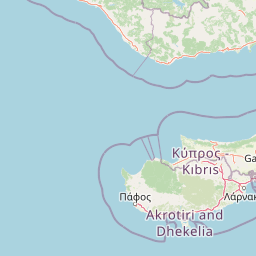
Map view of Ethniko Dasiko Parko Rizoelias

Use this park location map to pinpoint Ethniko Dasiko Parko Rizoelias in Cyprus, understand its exact geographic position, and read its mapped placement within the surrounding landscape more clearly.

Pigeon | © OpenStreetMap contributors
Recorded earthquake history

Access the Ethniko Dasiko Parko Rizoelias Historical Earthquake Catalogue

Review recorded seismic events associated with the location of Ethniko Dasiko Parko Rizoelias through our structured data catalogue. MoriAtlas provides these historical earthquake records to support detailed geographic exploration of the protected area and its surrounding seismic context.

Ethniko Dasiko Parko Rizoelias Earthquake History

Catalogued events

146 events

Strongest magnitude

Magnitude 5

Most recent event

Jun 10, 2022

This history includes earthquakes recorded inside the park or within 50 km of its borders

Park atlas

Compare nearby national parks, regional forest reserves, and protected areas across the surrounding Mediterranean region.

Parks Near Ethniko Dasiko Parko Rizoelias and Protected Landscapes

Browsing other parks near Ethniko Dasiko Parko Rizoelias reveals wider regional patterns in Mediterranean shrubland ecology and forest habitats. Expanding the geographic comparison connects individual conservation sites to broader ecological networks across Cyprus.
A horizontal watercolor illustration of a wetland scene with a calm body of water, grassy shorelines, and distant rolling hills under a soft sky.
Nature reserveLarnaca District
3.3 km away#1 closest

Southeast

Alykes Larnakas Nature Reserve: Atlas of Protected Wetlands and Coastal Mediterranean Terrain

Ecological landscape mapping in the Larnaca District of Cyprus

Alykes Larnakas functions as a cohesive wetland landscape featuring the expansive Larnaka Salt Lake alongside smaller basins like Orfani and Soros. The reserve protects a gradient of ecosystems ranging from coastal lagoons and salt-crust basins to Mediterranean phrygana and dry grassland textures that define the southeastern coast of Cyprus.

Area
15.602 km²
Established
2008
Nature reserveCyprus
3.3 km away#2 closest

Northwest

Periochi Kosiis - Pallourokampou Nature Reserve: Regional Geography and Protected Boundaries

Inland Cyprus protected landscape and natural terrain mapping

Periochi Kosiis - Pallourokampou represents a crucial nature reserve within the Mediterranean ecoregion of Cyprus. Examine the park boundaries and regional geographic context through this structured atlas entry, which details the terrestrial landscape features defining this inland conservation area.

Area
37.178 km²
Established
2007
Climate
Mediterranean
Scope
Terrestrial
Protected areaTajikistan
About 4.5 km away#3 closest

Northwest

Periochi Moytti Toy Ziou: Protected Landscape and Geographic Overview in Tajikistan

Mapped boundaries and regional protected area context

Discover the geographic identity of Periochi Moytti Toy Ziou, a key protected area situated in Tajikistan. This entry provides essential mapping and landscape data to help visualize the park's boundaries, surrounding terrain, and its contribution to regional conservation geography.

Area
0.181 km²
Relief
Lowland
Scope
Terrestrial
Water
Minor water
Protected areaCyprus
6.7 km away#4 closest

West

Potamos Panagias Stazousas Protected Area: Geography and Landscape of Central Cyprus

Riverine corridors and Mediterranean avian habitats

Potamos Panagias Stazousas represents a core protected area in inland Cyprus, recognized primarily for its rich birdlife and distinct river-centered geography. This site showcases a diverse Mediterranean mosaic of scrubland, farmland, and woodland, providing critical ecological connectivity within the eastern Mediterranean basin.

Area
17.45 km²
Established
2007
Climate
Mediterranean
Scope
Terrestrial
Nature reserveCyprus
7.2 km away#5 closest

West

Periochi Lympion - Agias Annas: Inland Protected Landscapes and Nature Reserve Atlas

Mediterranean shrubland and bird conservation zones in central Cyprus

Periochi Lympion - Agias Annas preserves essential thermo-Mediterranean shrubland and Sarcopoterium-dominated phrygana formations within the Cyprus interior. This protected landscape sustains a mosaic of pseudo-steppe grasslands and diverse bird populations, providing a focused view of inland habitat conservation within the eastern Mediterranean ecoregion.

Area
5.167 km²
Established
2002
Relief
Lowland
Scope
Terrestrial
Nature reserveCyprus
11 km away#6 closest

Southwest

Dasos Stavrovouniou Nature Reserve: Central Cyprus Protected Geography and Map

Mediterranean pine woodlands and avian habitat mosaic

Spanning 1,930 hectares of central Cyprus, Dasos Stavrovouniou features a varied topography of stony ridges, ravines, and siliceous cliffs. This protected area supports a dense habitat mosaic, including phrygana shrublands and evergreen forests that provide essential shelter for endemic Cyprus species and migratory raptors within the Natura 2000 framework.

Area
19.281 km²
Established
2002
Relief
Upland
Climate
Mediterranean
Nature reserveCyprus
17 km away#7 closest

Northwest

Alykos Potamos - Agios Sozomenos: Inland Nature Reserve and Protected Landscape in Cyprus

A diverse Mediterranean mosaic of riparian gallery and halophytic scrub habitats.

Located in central Cyprus, this nature reserve protects a sensitive inland landscape where stream corridors meet Mediterranean salt meadows and dryland shrub formations. The site is a critical refuge for numerous bird species and the rare orchid Ophrys kotschyi, reflecting a high density of protected habitats within a compact, geographically rich area.

Area
3.728 km²
Established
2002
Relief
Lowland
Climate
Mediterranean
Nature reserveCyprus
About 22 km away#8 closest

West

Potamos Gialias Nature Reserve: Mapping Protected River Habitats in Cyprus

An analysis of riverine corridors, Mediterranean shrublands, and regional biodiversity.

Potamos Gialias represents a focused nature reserve in Cyprus, protecting an intricate mosaic of riparian galleries, phrygana shrublands, and endemic pine forests. This site offers a clear view into the Mediterranean ecological gradient, where seasonal riverbeds intersect with rocky slopes to support unique fauna and resilient plant communities within a compact geographic boundary.

Area
0.934 km²
Relief
Mixed relief
Climate
Mediterranean
Scope
Terrestrial

Common questions about visiting, size, designation, and location context for Ethniko Dasiko Parko Rizoelias

Ethniko Dasiko Parko Rizoelias FAQs for park facts, access, geography, and protected area context

Find quick answers about Ethniko Dasiko Parko Rizoelias, including protected-area facts, park geography, trail and visitor context, and how the park fits into its surrounding country and regional landscape.
MoriAtlas Explorer

Continue Your Protected Areas Search Across the Global Atlas

Deepen your exploration by continuing the structured search for national parks and protected areas worldwide. Utilize the comprehensive filtering capabilities to compare different conservation landscapes and refine your understanding of global park geography. Discover more about the distribution and characteristics of protected natural areas.

Global natural geography