Why ʻEua National Park stands out
ʻEua National Park is most notably recognized as the conservation anchor for Tonga's forest biodiversity, protecting one of the Pacific region's last remaining tracts of primary tropical rainforest on a raised limestone island. The park harbors exceptional endemic flora, including the rare and endangered Podocarpus pallidus conifer with approximately 1,000 remaining individuals, alongside numerous endemic tree and plant species found nowhere else on Earth. The park's fauna includes the endangered Eua forest gecko and the striking red shining-parrot, making it a significant site for Pacific island biodiversity conservation.
ʻEua National Park history and protected-area timeline
ʻEua National Park was established in 1992, representing Tonga's first and only national forest park designation. The park's creation was driven by growing recognition of the ecological significance of ʻEua Island's rainforest and the need to protect endemic species from habitat degradation and loss. Prior to formal protection, the forest areas faced pressures from agricultural expansion and resource extraction. The designation of national park status in 1992 placed the area under the governance of the Ministry of Environment and Climate Change's Forestry Division, establishing a management framework for conservation. The park received international recognition through its IUCN Category II designation, aligning it with global standards for national park protection. Management planning efforts, including a draft management plan developed in collaboration with New Zealand researchers in the mid-1990s, have guided conservation approaches for the protected area.
ʻEua National Park landscape and geographic character
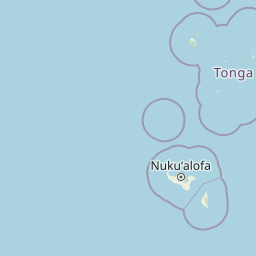
The physical landscape of ʻEua National Park is defined by its dramatic topographical setting on the eastern coast of ʻEua Island. The park occupies a band of terrain approximately 800 meters wide that traverses from the island's interior elevated grounds downward to the western coastline. The most striking geological feature is the line of sheer cliffs that border the park's western edge, where limestone formations drop steeply to meet the Pacific Ocean. These cliffs are punctuated by numerous caves and chasms that penetrate the rock face, creating a complex coastal morphology. The interior of the park features tropical rainforest covering rolling terrain that transitions from the cliff base upward into the more developed forest zones. The combination of coastal cliffs, forested slopes, and the maritime interface creates a visually distinctive landscape within the Pacific island context.
ʻEua National Park ecosystems, habitats, and plant life
The ecological character of ʻEua National Park centers on its tropical rainforest ecosystem, which represents one of the most significant forest habitats in Tonga. The park's rainforests support multiple canopy layers and maintain high humidity levels appropriate to the tropical setting. These forests constitute critical habitat for numerous endemic species that have evolved in isolation on ʻEua Island. The vegetation includes a range of tree species, some of which such as Podocarpus pallidus represent ancient lineages with restricted global distributions. The park's biodiversity extends beyond trees to include diverse plant groups, with botanical research documenting numerous endemic species across multiple plant families. The combination of forest habitat, cliff ecosystems, and coastal interfaces creates a mosaic of microhabitats that support ecological complexity.
ʻEua National Park wildlife and species highlights
ʻEua National Park provides essential habitat for several notable endemic animal species. The park harbors the endangered Eua forest gecko, a rare reptile species confined to ʻEua Island and recognized for its conservation significance. Birdlife within the park includes the red shining-parrot, known locally as the koki, which represents one of the most visually striking avian residents of Tonga's forests. The white-rumped swiftlet occupies the park's cave systems, utilizing the cliff formations for nesting sites. The white-tailed tropicbird also frequents the coastal cliff areas, adding to the park's avian diversity. This collection of endemic species, combined with the presence of rare and endangered classifications, positions ʻEua National Park as a critical conservation site for Pacific island fauna.
ʻEua National Park conservation status and protection priorities
The conservation significance of ʻEua National Park extends beyond Tonga to represent broader Pacific biodiversity priorities. As the nation's only national forest park and the sole IUCN Category II protected area in Tonga, the park serves as the primary benchmark for forest conservation in the country. The protection of approximately 1,000 Podocarpus pallidus individuals represents a global conservation priority for this endangered conifer species. Similarly, the Eua forest gecko's endangered status underscores the park's role in preventing species extinctions. The endemic flora list, which includes multiple species with highly restricted distributions, highlights the irreplaceable nature of this protected area. The park's establishment formalized protections for forest ecosystems that had previously lacked formal conservation status, creating institutional frameworks for ongoing habitat preservation.
ʻEua National Park cultural meaning and human context
ʻEua Island and its national park exist within the cultural context of the Kingdom of Tonga, one of the oldest monarchies in the Pacific. The local Tongan communities maintain connections to the island's landscapes and natural resources. The red shining-parrot, known locally as koki, appears in local cultural contexts and contributes to the island's natural heritage identity. While the park itself does not contain extensive documented archaeological or historical sites, the broader ʻEua Island has significance within Tonga's regional identity. The park's management involves coordination between government authorities and local communities, reflecting the traditional land stewardship approaches present in Tongan society.
Top sights and standout views in ʻEua National Park
ʻEua National Park stands as Tonga's premier protected area, distinguished by its status as the nation's sole national forest park. The park protects exceptional biodiversity including the rare Podocarpus pallidus conifer, the endangered Eua forest gecko, and the distinctive red shining-parrot. Its dramatic landscape of coastal cliffs, caves, and tropical rainforest creates a visually compelling conservation area within the Pacific islands. The park's narrow but significant 800-meter rainforest band represents one of the last intact primary forest tracts in Tonga. Endemic species across both flora and fauna make this protected area globally significant for biodiversity conservation.
Best time to visit ʻEua National Park
The park can be visited throughout the year given Tonga's tropical climate, though the optimal period generally falls during the dry season from May to October when rainfall is reduced and visitor conditions are more comfortable. The wet season from November to April brings higher humidity and more frequent rainfall, which maintains the rainforest's lush character but may create less favorable conditions for exploration. Temperature remains warm throughout the year in the tropical Pacific setting. Visitors interested in birdwatching may find different species active during different seasons, with the red shining-parrot and other avian residents observable year-round.