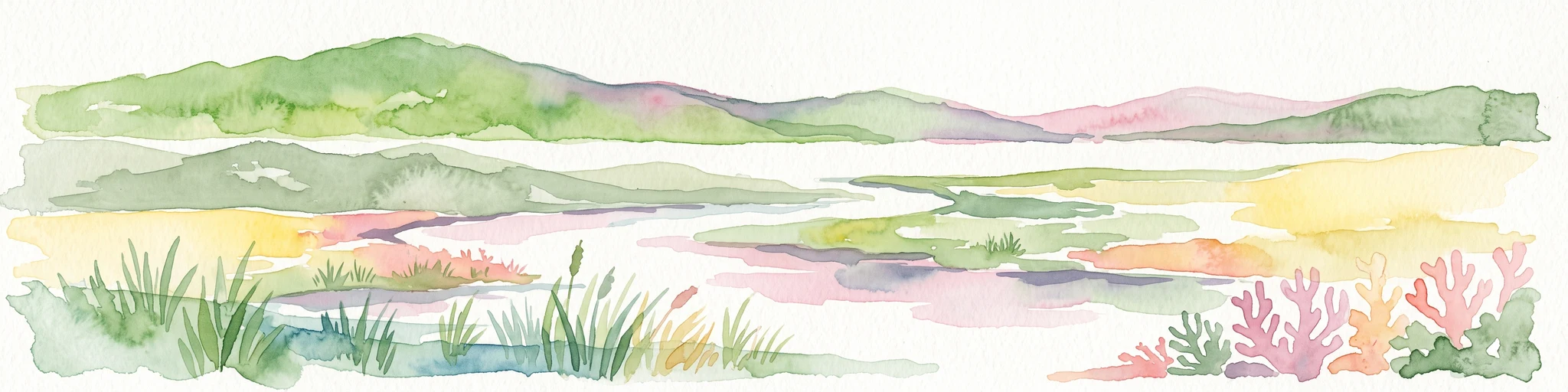
Why Eubenangee Swamp National Park stands out
Eubenangee Swamp National Park is best known for its remarkable bird diversity, hosting over 190 species of birds within its relatively compact boundary. The park's designation as part of the Coastal Wet Tropics Important Bird Area, recognized by BirdLife International, highlights its global significance for the conservation of lowland tropical rainforest birds. The wetland's mosaic of habitats, including melaleuca woodlands, vine forests, sedgelands, and seasonal swamp forests, supports a rich avifauna that draws ornithological interest to this Queensland reserve.
Eubenangee Swamp National Park history and protected-area timeline
Eubenangee Swamp National Park was established in 1968, designating this coastal wetland area in far-north Queensland as a protected national park under Queensland state law. The park's creation reflected growing recognition during the mid-20th century of the need to preserve representative examples of Queensland's diverse ecosystems. The Queensland Parks and Wildlife Service assumed management responsibility for the reserve, continuing to administer the protected area as part of the state's national park system. The subsequent recognition of the park as part of the Coastal Wet Tropics Important Bird Area by BirdLife International added an international conservation dimension to the site's significance, acknowledging its role in protecting habitat critical for tropical bird species.
Eubenangee Swamp National Park landscape and geographic character
The landscape of Eubenangee Swamp National Park is characterized by low-lying terrain averaging 24 meters in elevation, reflecting its position within the coastal plain of far-north Queensland. The terrain is flat to gently undulating, typical of wetland environments in this region. The park's hydrological character is defined by its position within the North Johnstone and Russell River catchments, with seasonal flooding creating temporary and permanent wetland areas throughout the reserve. The vegetation creates a visually distinctive landscape, with the silver-grey foliage of melaleuca woodlands contrasting against the darker green of vine forest patches and the paler tones of sedgeland areas. The central band of the park runs from north to south, containing the most diverse vegetation communities, while the margins are dominated by the more open melaleuca woodlands.
Eubenangee Swamp National Park ecosystems, habitats, and plant life
The ecological character of Eubenangee Swamp National Park is defined by its complex mosaic of vegetation types adapted to the wet tropical conditions of Queensland's coast. Melaleuca woodlands and forests dominate the western and eastern margins of the park, forming extensive stands across the better-drained areas. The central corridor contains the most botanically diverse communities, including mesophyll vine forest types that represent some of Australia's most species-rich plant assemblages. Feather palm dominated seasonal swamp forests occupy areas subject to periodic flooding, while sedgelands are found in semi-permanent swamp zones adjacent to the northern and eastern boundaries. Grassland communities, including those dominated by the critically endangered Hemarthria uncinata, occur in pockets where seasonally inundated alluvial soils create appropriate growing conditions. This vegetation diversity supports the park's exceptional wildlife communities, particularly its bird populations.
Eubenangee Swamp National Park wildlife and species highlights
The birdlife of Eubenangee Swamp National Park represents the park's most celebrated ecological attribute, with over 190 species recorded within its boundaries. The park's inclusion in the Coastal Wet Tropics Important Bird Area reflects its particular importance for lowland tropical rainforest bird species, many of which have restricted distributions within Australia's Wet Tropics region. The diverse habitat mosaic provides feeding, nesting, and breeding resources for both resident bird species and seasonal visitors. The melaleuca woodlands, vine forests, and wetland areas each support distinct bird communities, creating a heterogeneous avifauna that reflects the structural diversity of the vegetation. While the source material emphasizes bird diversity, the Wet Tropics bioregion is also known for supporting diverse reptile, amphibian, and mammal communities that would utilize the park's varied habitats.
Eubenangee Swamp National Park conservation status and protection priorities
Eubenangee Swamp National Park contributes to the protection of Queensland's Wet Tropics bioregion, one of Australia's most important conservation landscapes recognized globally for its biodiversity significance. The park's designation as part of the Coastal Wet Tropics Important Bird Area identifies it as an area of international conservation importance, with BirdLife International recognizing its role in protecting critical habitat for threatened bird species. The presence of critically endangered vegetation communities, including Hemarthria uncinata dominated grasslands, highlights the conservation value of the park's diverse habitat mosaic. As a protected area within the Wet Tropics World Heritage Area's broader region, Eubenangee Swamp plays a role in maintaining connectivity between larger conservation reserves and protecting the ecological integrity of the north Queensland coast.
Eubenangee Swamp National Park cultural meaning and human context
The Eubenangee Swamp area is located within the traditional lands of Aboriginal peoples who have occupied the Wet Tropics region for tens of thousands of years. While the source material does not detail specific indigenous connections to this particular area, the broader Wet Tropics contains significant Aboriginal cultural heritage, with many sites demonstrating long-term human occupation and traditional land management practices. The township of Eubenangee, located adjacent to the national park, represents a small settlement within the productive agricultural region surrounding Innisfail.
Top sights and standout views in Eubenangee Swamp National Park
Eubenangee Swamp National Park offers visitors an opportunity to experience one of Queensland's significant lowland wetland ecosystems with exceptional bird diversity. The park's position within the Wet Tropics of Queensland provides access to a globally significant bioregion known for its tropical rainforest and endemic species. The mosaic of wetland habitats, from melaleuca woodlands to seasonal swamps and vine forest remnants, creates a landscape of considerable ecological complexity within a relatively compact area. Birdwatching represents a primary draw, with the park's Important Bird Area status reflecting its significance for avian conservation. The Wet Tropics setting also places the park within reach of other major attractions in the Cairns Region.
Best time to visit Eubenangee Swamp National Park
The best time to visit Eubenangee Swamp National Park is influenced by the region's pronounced wet-dry seasonal pattern. The period from May to November generally offers drier conditions with lower rainfall, making wetland areas more accessible and wildlife easier to observe. The wet season, from December to April, brings the highest rainfall to the region and can result in significant inundation of low-lying areas within the park. However, the wet season also creates the lush, verdant conditions characteristic of tropical Wet Tropics landscapes. Visitors interested in birdwatching may find different species more active during different seasons, with the dry season often providing more comfortable conditions for extended field observations.