Why Gawler Ranges National Park stands out
Gawler Ranges National Park is best known for its extraordinary ancient rock formations that dominate the landscape and create one of South Australia's most visually striking natural environments. The Organ Pipes, a remarkable cluster of vertical basalt columns, represents the park's most iconic geological feature, while the rugged peaks and ridges of the Gawler Ranges provide a dramatic backdrop characteristic of this semi-arid landscape. The park is also distinguished by Kolay Mirica Falls, a waterfall cascading through a rocky gorge, and the extensive network of hiking tracks that allow visitors to explore these geological wonders up close. Beyond its geological significance, the park is recognised for populations of yellow-footed rock-wallabies, a distinctive marsupial species that thrives among the rocky outcrops and cliff faces throughout the range.
Gawler Ranges National Park history and protected-area timeline
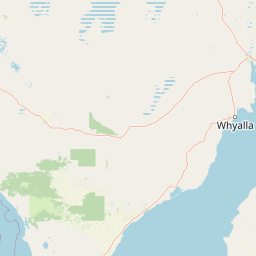
The land that now comprises Gawler Ranges National Park was originally part of the Paney Station pastoral lease, a large sheep grazing property that operated across the region for much of the twentieth century. This pastoral holding encompassed approximately 1,200 square kilometres of semi-arid rangeland, with the landscape shaped by decades of grazing activity and associated infrastructure development. In 2000, the South Australian Government acquired the Paney Station property with assistance from the Australian Government, marking the beginning of the transition toward protected area status. The following year, an additional 420 square kilometres from the neighbouring Scrubby Peak Station was acquired and incorporated into the developing national park, bringing the total area to approximately 1,630 square kilometres.
Gawler Ranges National Park was officially declared on 15 January 2002, establishing the area as South Australia's newest national park at that time. The park's creation reflected growing recognition of the region's geological significance, ecological values, and the importance of preserving large tracts of intact rangeland habitat. Within the park's boundaries, several historic sites from the pastoral era remain, including the Old Paney Homestead, Stone Dam, and the Pondanna Outstation, where early agricultural attempts occurred in the early twentieth century. These remnants of human occupation add cultural depth to the landscape and provide insight into the region's pastoral heritage. The establishment of the park also acknowledged the growing concern about the conservation status of species such as the yellow-footed rock-wallaby, which had persisted in the rocky terrain despite long-term pastoral pressure.
Gawler Ranges National Park landscape and geographic character
The Gawler Ranges present a landscape of remarkable geological antiquity and dramatic topographical variation. The ranges consist of ancient Precambrian rocks, among the oldest in Australia, that have been uplifted, eroded, and weathered over hundreds of millions of years to create the rugged terrain seen today. The park's signature geological feature is the Organ Pipes, a striking formation of vertical basalt columns rising from the landscape like the pipes of a vast organ, formed through ancient volcanic activity and subsequent erosion. These columns create a visually spectacular landmark that anchors the park's identity.
Beyond the Organ Pipes, the landscape encompasses a diversity of landforms including steep ridges and rocky bluffs, deep gorges such as Yandinga Gorge, and seasonal watercourses that cut through the terrain. Kolay Mirica Falls provides one of the few reliable water features in the park, cascading over rock faces into a shaded gorge pool. Prominent peaks including Mount Sturt, Conical Hill, Mount Allalone, and Scrubby Peak break the horizon and provide excellent vantage points for panoramic views across the range. The terrain is characterised by rocky outcrops and boulder-strewn slopes interspersed with areas of more subdued topography. This rugged, ancient landscape creates a sense of timelessness and remote beauty that distinguishes the Gawler Ranges from more familiar Australian pastoral country.
Gawler Ranges National Park ecosystems, habitats, and plant life
The Gawler Ranges National Park protects a semi-arid rangeland environment supporting surprisingly rich biodiversity adapted to harsh conditions. The park's vegetation reflects the transitional nature of the northern Eyre Peninsula, with Mallee woodlands and shrublands dominating the slopes and valleys, while saltbush and bluebush plains occur in lower-lying areas. The rocky outcrops and ridges support distinctive plant communities adapted to exposed conditions and shallow soils, including various endemic species that occur nowhere else. The Gawler Ranges represent an important refugium for plant species in a region where rainfall is limited and variable.
The park has been identified by BirdLife International as an Important Bird Area, recognising its significance for several bird species of conservation concern. The vulnerable malleefowl occurs in the park, a ground-dwelling bird that constructs large incubation mounds from leaf litter and soil. The Gawler Ranges subspecies of the short-tailed grasswren is also present, along with the rufous treecreeper, blue-breasted fairy-wren, purple-gaped honeyeater, and western yellow robin. In total, approximately 140 bird species have been recorded in the park, reflecting the diversity of habitats from rocky ridges to woodland valleys. The semi-arid environment supports plant and animal life adapted to drought and temperature extremes, creating resilient ecosystems shaped by the challenges of the Australian rangelands.
Gawler Ranges National Park wildlife and species highlights
Gawler Ranges National Park is home to a remarkable assemblage of wildlife, with 21 rare or endangered animal and plant species recorded within its boundaries. The park is particularly renowned for populations of yellow-footed rock-wallabies, a distinctive marsupial species that has adapted to life among the rocky outcrops and cliff faces throughout the Gawler Ranges. These agile wallabies navigate the steep terrain with remarkable confidence, feeding on grasses and shrubs in the sheltered valleys and retreating to rock shelters during the heat of the day. Their distinctive golden-brown fur and bold markings make them a highlight for visitors fortunate enough to observe them.
Another notable mammal species occurring in the park is the southern hairy-nosed wombat, a burrowing marsupial that inhabits the more open areas of the park. These nocturnal animals construct extensive burrow systems in suitable ground, emerging at night to feed on native grasses. The combination of rocky habitat for rock-wallabies and more open terrain for wombats reflects the diversity of microhabitats within the park. With approximately 140 bird species recorded, including the vulnerable malleefowl and several other birds of conservation significance, the park offers excellent birdwatching opportunities. Reptiles, insects, and other invertebrates complete the park's vertebrate fauna, contributing to the ecological richness of this semi-arid protected area.
Gawler Ranges National Park conservation status and protection priorities
Gawler Ranges National Park represents an important conservation outcome in South Australia's protected area network, preserving a large tract of intact rangeland and ancient geological terrain. The park's establishment in 2002 protected habitat for numerous species of conservation concern, including the yellow-footed rock-wallaby, which remains threatened by habitat loss, predation by introduced foxes and cats, and competition with feral goats. The southern hairy-nosed wombat, while not currently listed as threatened, benefits from the protection of extensive burrowing habitat within the park boundaries. The identification of the park as an Important Bird Area by BirdLife International further emphasises its conservation significance, particularly for the vulnerable malleefowl and the Gawler Ranges subspecies of the short-tailed grasswren.
The park's IUCN Category VI classification reflects its management approach that balances conservation with sustainable use, a model appropriate for the extensive semi-arid rangeland environment. The transition from pastoral use to national park status has allowed natural processes to resume across much of the area, though the legacy of grazing infrastructure and introduced species continues to present management challenges. Conservation management in the park focuses on protecting native wildlife populations, managing introduced predators and herbivores, and maintaining the geological and landscape values that define the Gawler Ranges. As one of South Australia's largest national parks, the Gawler Ranges provides a crucial refuge for arid-zone biodiversity in a region where large-scale protection is relatively uncommon.
Gawler Ranges National Park cultural meaning and human context
The Gawler Ranges National Park encompasses landscape with cultural significance extending beyond its recent history as pastoral leasehold. The park contains several historic sites from the pastoral era, including the Old Paney Homestead, Stone Dam, and the Pondanna Outstation, where early attempts at agriculture occurred in the early twentieth century. These sites provide insight into the human history of the region and the challenges of pastoral occupation in semi-arid environments. The naming of features such as Paney Bluff, Mount Sturt, and Conical Hill reflects the tradition of European exploration and surveying in the nineteenth century.
The broader Eyre Peninsula region has indigenous cultural heritage stretching back tens of thousands of years, though the Wikipedia source provides limited detail on specific indigenous associations with the Gawler Ranges themselves. The park's relatively recent establishment as a protected area, combined with the legacy of pastoral use, means that formal recognition of indigenous cultural values within the park continues to develop. Visitors exploring the park's historic sites can appreciate layers of human engagement with this ancient landscape, from traditional indigenous connection to the land through to European pastoral settlement and now contemporary conservation management.
Top sights and standout views in Gawler Ranges National Park
Gawler Ranges National Park offers visitors an opportunity to experience some of South Australia's most impressive ancient rock formations in a relatively remote and uncrowded setting. The Organ Pipes formation stands as the park's most iconic landmark, a striking cluster of basalt columns that draws visitors from across Australia and beyond. Walking trails such as the Conical Hill Track provide access to elevated vantage points offering panoramic views across the rugged range. Kolay Mirica Falls, cascading through a rocky gorge, provides a rare water feature in the semi-arid environment and a refreshing destination for hikers. The park's wildlife, particularly the yellow-footed rock-wallabies that inhabit the rocky outcrops, adds a living dimension to the ancient geological landscape. Several campgrounds throughout the park allow visitors to immerse themselves in the remote rangeland environment, away from the crowds characteristic of more accessible national parks.
Best time to visit Gawler Ranges National Park
The best time to visit Gawler Ranges National Park is during the cooler months of autumn and spring, from April through May and September through November, when daytime temperatures are moderate and comfortable for hiking and outdoor exploration. Summer temperatures in the Gawler Ranges can be extreme, often exceeding 40 degrees Celsius, making outdoor activity hazardous and camping uncomfortable. Winter brings cooler conditions but also occasional cold nights and the potential for wet weather, though this season remains suitable for visitors prepared for variable conditions. The park's semi-arid environment means that rainfall is limited and unpredictable throughout the year, with the landscape generally remaining greenest in the months following winter rain. Wildlife viewing can be productive year-round, though early morning and late afternoon hours offer the best opportunities to observe active animals as they retreat from the heat of the day.