Why Ghin-Doo-Ee National Park stands out
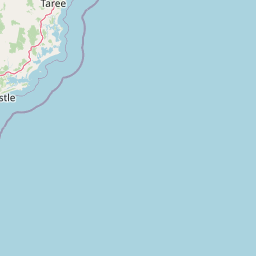
Ghin-Doo-Ee National Park is best known for its namesake connection to the Australian brushturkey, a large ground-dwelling bird that inhabits the forested environments of eastern Australia. The park preserves coastal forest ecosystems in the Great Lakes area of New South Wales, providing protected habitat within a region that has seen significant land use change. Its location in the transition zone between the Sydney basin and the Hunter region offers access to a landscape of mixed sclerophyll forest typical of the NSW coast.
Ghin-Doo-Ee National Park history and protected-area timeline
Ghin-Doo-Ee National Park was established on 23 January 1999 through formal proclamation under the National Parks and Wildlife Act. The park's declaration represented the culmination of a process to protect coastal forest lands in the Bulahdelah area of New South Wales. The selection of the park's name reflects the cultural heritage of the Worimi people, whose traditional language area includes the Gadjang (or Gadhang) dialect. The name translates directly to the Australian brushturkey, a species commonly encountered in the forested environments of eastern Australia. This naming convention follows the practice of using Indigenous language names for protected areas in New South Wales, honoring the cultural significance of the landscape and its traditional owners.
Ghin-Doo-Ee National Park landscape and geographic character
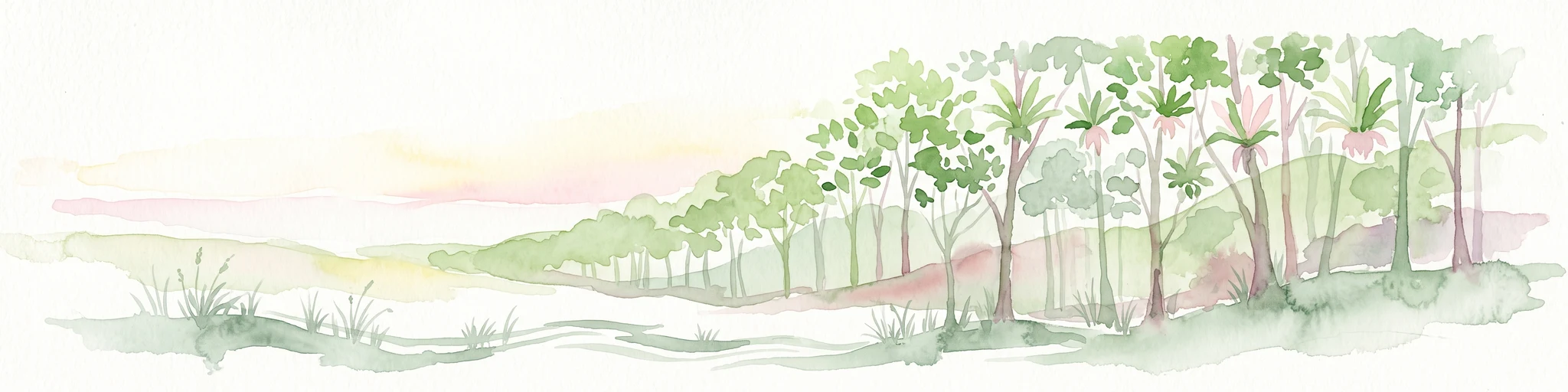
The terrain within Ghin-Doo-Ee National Park consists of gently undulating hills characteristic of the coastal lowlands in the Mid North Coast region of New South Wales. The average elevation of approximately 250 meters places the park within the coastal plain and lower foothills zone. The landscape supports forests dominated by sclerophyll vegetation, with mixtures of open forest and woodland communities. The underlying geology and soils support plant communities adapted to the moist coastal environment of the region.
Ghin-Doo-Ee National Park ecosystems, habitats, and plant life
The park protects examples of coastal forest ecosystems typical of the Great Lakes region in northern New South Wales. The vegetation communities present include sclerophyll forest types adapted to the temperate coastal climate. These forests provide structural diversity and habitat resources for a variety of native species. The moist coastal environment supports plant growth throughout most of the year, with the forest composition reflecting the influence of both continental and maritime climatic factors.
Ghin-Doo-Ee National Park wildlife and species highlights
The Australian brushturkey, for which the park is named, inhabits the forested landscapes of the region and is likely present within the park boundaries. This large ground-dwelling bird is a characteristic species of eastern Australian forests and woodland, known for its distinctive behavior of building large mound nests from leaf litter. The forest environments within the park provide suitable habitat for a range of other native birds, mammals, and reptiles typical of coastal New South Wales.
Ghin-Doo-Ee National Park conservation status and protection priorities
Ghin-Doo-Ee National Park contributes to the conservation network in the Mid North Coast of New South Wales, protecting examples of coastal forest ecosystems that have been modified by rural and residential development in the surrounding landscape. As an IUCN Category II protected area, the park is managed primarily for ecosystem conservation and national-level protection of natural values. The establishment of the park in 1999 added to the state's protected area coverage and supports biodiversity conservation objectives in the Great Lakes region.
Ghin-Doo-Ee National Park cultural meaning and human context
The park's name originates from the Gadjang language, which is part of the broader Worimi language family of the Aboriginal people of the lower Hunter and Mid North Coast regions of New South Wales. The Worimi people are the traditional custodians of the land on which the park sits, and the use of their language for the park's name acknowledges this heritage. The word for the Australian brushturkey was selected as the park's name, reflecting both the presence of this species in the area and the practice of using Indigenous language to name protected places.
Top sights and standout views in Ghin-Doo-Ee National Park
Ghin-Doo-Ee National Park offers coastal forest exploration in the Great Lakes area of New South Wales, with protected bushland approximately 200 kilometers northeast of Sydney. The park provides access to natural environments in a region where development pressure has altered much of the original vegetation. Visitors can experience native forest ecosystems while supporting conservation of the area's biodiversity. The park's Indigenous heritage is reflected in its Worimi-derived name, connecting the protected landscape to the cultural history of the region.
Best time to visit Ghin-Doo-Ee National Park
The park can be visited throughout the year, with autumn and spring typically offering mild temperatures and comfortable conditions for forest walking. The coastal location means the area experiences a temperate climate with adequate rainfall throughout the year to maintain forest environments. Summer months can be warm and may bring higher visitor numbers, while winter generally sees cooler but still mild conditions suitable for day visits.