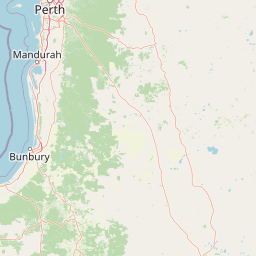
Why Greater Preston National Park stands out
Greater Preston National Park is best known for its extensive old-growth jarrah forest, a distinctive eucalyptus woodland that defines much of the South West's character. The jarrah trees in the park represent mature forest stands that have developed over many decades, providing a rare glimpse of the woodlands as they existed before extensive logging and clearing transformed much of the surrounding landscape. In spring, the forest understory comes alive with wildflowers, adding splashes of colour to the woodland floor and attracting visitors interested in the region's botanical diversity. The park's role in protecting significant old-growth forest within the Jarrah Forest bioregion makes it an important site for forest conservation and ecological research in southwestern Australia.
Greater Preston National Park history and protected-area timeline
Greater Preston National Park was established through an act of parliament by the Parliament of Western Australia on December 8, 2004, as part of a significant expansion of the state's national park system. The park was declared as Class A reserve No. 47661, a designation that provides strong legal protection and reflects the high conservation value assigned to the area. This declaration represented the culmination of assessment processes that recognized the ecological significance of the jarrah forest remaining in this part of the South West region. The creation of the park also acknowledged the cultural significance of the land to its traditional owners, the Kaniyang and Wiilman peoples, whose connection to this landscape extends over many thousands of years. The timing of the park's establishment in 2004 placed it within a broader context of national park expansion across Western Australia that sought to better represent the state's biodiversity and protect remaining wilderness areas.
Greater Preston National Park landscape and geographic character
The landscape of Greater Preston National Park is characteristic of the Jarrah Forest bioregion, featuring gently undulating terrain typical of the South West's Western Australian wheatbelt interface. The terrain supports a woodland canopy dominated by jarrah, with the trees ranging from scattered individuals in more open areas to dense stands in locations where the forest has remained relatively intact. The understory varies considerably across the park, with some areas supporting dense shrubland while others have more open ground cover. The forest's appearance changes notably with the seasons, from the relatively subdued tones of winter to the vibrant wildflower display of spring. The park's elevation and position within the landscape means it experiences the Mediterranean climate pattern typical of South West Australia, with wet winters and dry summers influencing the vegetation character and ecological processes.
Greater Preston National Park ecosystems, habitats, and plant life
The nature of Greater Preston National Park centres on its old-growth jarrah forest, an ecosystem that has been significantly reduced across its former range through historical logging and land clearing. The jarrah forest of the South West is recognized as a distinctive bioregion, supporting a suite of plant and animal species found nowhere else in the world. Within the park, the jarrah trees represent varying ages and sizes, with mature specimens displaying the deeply furrowed bark and expansive canopies characteristic of older trees. The forest understory supports diverse plant life, including numerous species that flower in spring, creating a botanical spectacle that draws attention to the park's ecological values. The combination of old-growth canopy trees, diverse understory plants, and the seasonal wildflower display makes the park a representative example of jarrah forest that warrants protection for both current and future generations.
Greater Preston National Park wildlife and species highlights
The jarrah forest ecosystem of Greater Preston National Park supports a range of wildlife species adapted to the woodland environment. Birds that inhabit the forest include various parrots, honeyeaters, and cockatoos that utilise the trees for nesting and feeding. The old-growth trees, with their hollows and decaying wood, provide important habitat for arboreal mammals and birds. Mammals such as western grey kangaroos and various marsupial species inhabit the forest floor, while nocturnal animals including possums and marsupiAL carnivores make use of the shelter provided by the dense vegetation. The diversity of insects and other invertebrates in the forest plays essential roles in ecosystem functioning, from pollination of wildflowers to decomposition of organic matter. While the park may not be famous for any particular flagship species, the forest ecosystem as a whole supports a community of native wildlife that depends on the continuity of old-growth forest habitat.
Greater Preston National Park conservation status and protection priorities
The establishment of Greater Preston National Park as a Class A reserve reflects the high conservation value placed on its old-growth jarrah forest ecosystem. Protecting this area ensures the persistence of a forest type that has been extensively cleared and modified across its historical range, making remaining intact areas increasingly important for biodiversity. The Class A designation provides the strongest available protection under Western Australian legislation, securing the park's conservation values against future changes in land use or management. The park contributes to the network of protected areas within the Jarrah Forest bioregion, supporting broader landscape connectivity and providing refuge for species that require substantial forest habitat. The park's protection also preserves options for future ecological restoration and research into forest dynamics in a region where the history of timber production means that old-growth forests are now relatively rare.
Greater Preston National Park cultural meaning and human context
Greater Preston National Park is situated on land of cultural significance to the Kaniyang and Wiilman peoples, the traditional owners whose connection to this part of the South West extends deep into the past. These Aboriginal groups have maintained ongoing relationships with the jarrah forest landscape over thousands of years, with the environment providing cultural resources, spiritual connection, and practical sustenance. The recognition of traditional owners in the park's establishment reflects contemporary understanding of the importance of Indigenous involvement in protected area management. The cultural context of the park adds dimension to its conservation significance, acknowledging that the landscape holds values beyond those captured in western scientific frameworks. This Indigenous heritage dimension is increasingly recognized as integral to the park's identity and future management.
Top sights and standout views in Greater Preston National Park
Greater Preston National Park's primary highlight is its old-growth jarrah forest, a rare example of intact woodland that predates extensive logging in the South West. The spring wildflower display transforms the forest understory with colour, making this season particularly appealing for visitors. The passage of the Bibbulmun Track through the western part of the park provides a way for walkers to experience the forest, with the track being one of Australia's great long-distance hiking routes. The park's remote and undeveloped character offers a more authentic forest experience compared to more heavily visited parks, appealing to those seeking solitude and a sense of wilderness. The combination of significant forest protection, Indigenous heritage, and recreational opportunity makes the park a noteworthy destination within Western Australia's national park system.
Best time to visit Greater Preston National Park
The best time to visit Greater Preston National Park is during spring, from September to November, when wildflowers bloom throughout the jarrah forest and the weather is generally pleasant for outdoor activities. The spring season brings mild daytime temperatures and occasional rainfall that sustains the wildflower display while keeping dust and fire risk relatively low. Summer months from December to February can be very hot and dry, with the risk of bushfire making some activities less appropriate. Winter brings cooler temperatures and increased rainfall, which can make some tracks muddy and less accessible, though the forest has its own stark beauty during this season. Autumn offers a transitional period with moderate conditions, though the wildflower season has passed and the landscape appears more subdued. Visitors planning walks along the Bibbulmun Track should consider the seasonal conditions and check current track status before setting out.