Why Gulf of Khnifiss National Park stands out
Gulf of Khnifiss National Park is best known for its remarkable Khenfiss lagoon, the largest lagoon on Morocco's Atlantic coastline, which serves as a vital avian habitat and breeding ground. The park's defining character derives from the dramatic contrast between its coastal wetland environments and the adjacent Saharan desert landscapes, creating a unique ecological tension between marine and terrestrial systems. The lagoon supports permanent populations of ruddy shelducks, marbled ducks, and Audouin's gulls, while drawing approximately 20,000 migratory waterbirds during the winter season. This concentration of birdlife, set against the backdrop of desert dunes and limestone plateaus, makes the park a distinctive destination for wildlife observation and ecological study.
Gulf of Khnifiss National Park history and protected-area timeline
The protection history of Gulf of Khnifiss spans multiple decades of escalating conservation status. The area was first protected as a natural reserve in 1960, establishing initial institutional recognition of its ecological significance. In 1980, the site achieved international prominence through designation as a Wetland of International Importance under the Ramsar Convention, with the formal name Baie de Khnifiss and reference number 209. This Ramsar designation acknowledged the lagoon's critical role as a bird habitat and its importance within the broader West African wetland network. The natural reserve was subsequently upgraded to Permanent Biological Reserve status in 1983, further institutionalizing conservation protection. The site was nominated to the UNESCO World Heritage Tentative List in the natural category on October 12, 1998, reflecting Morocco's view of the area as possessing outstanding universal value. The current national park designation was formally established on September 26, 2006, elevating the protected area to full national park status under IUCN Category II.
Gulf of Khnifiss National Park landscape and geographic character
The physical landscape of Gulf of Khnifiss National Park presents a striking juxtaposition of marine, wetland, and desert landforms along a relatively narrow coastal zone. The park's coastal section is dominated by the Khenfiss lagoon, a substantial shallow water body separated from the open Atlantic by a thin barrier beach, creating a protected marine environment with ecological characteristics distinct from both the ocean and terrestrial systems. Moving inland, the terrain transitions abruptly into classic Saharan landscapes dominated by extensive sabkha salt flats, wind-shaped sand dunes, and rolling limestone plateaus that extend toward the continental interior. The coastal dunes frame the lagoon shoreline, providing visual definition to the wetland boundary while simultaneously demonstrating the dynamic interaction between Aeolian processes and coastal geomorphology. This blend of coastal lagoon, dune systems, salt flats, and elevated limestone terrain creates a visually distinctive landscape that differs markedly from Morocco's more familiar Atlas Mountain and Mediterranean coastal environments.
Gulf of Khnifiss National Park ecosystems, habitats, and plant life
The ecological character of Gulf of Khnifiss National Park is defined by the interaction between its coastal lagoon ecosystem and the surrounding Saharan desert environment, creating a unique biodiversity hotspot within this biogeographic transition zone. The Khenfiss lagoon serves as the ecological heart of the protected area, supporting a rich community of waterbirds that rely on its shallow waters, emergent vegetation, and surrounding mudflats for foraging and breeding habitat. The lagoon maintains permanent populations of several species, including the ruddy shelduck, marbled duck, and Audouin's gull, the latter being a species of particular conservation concern in the broader Mediterranean region. During the winter months, the lagoon hosts approximately 20,000 migratory waterbirds, representing a substantial concentration of avifauna within the West African-Eastern Atlantic migratory system. The surrounding desert environments, while less biologically productive than the wetland areas, support specialized xeric-adapted species capable of surviving in this harsh coastal fringe of the Sahara.
Gulf of Khnifiss National Park wildlife and species highlights
The wildlife of Gulf of Khnifiss National Park is most notably characterized by its extraordinary bird populations, particularly the waterbird assemblages that utilize the lagoon environment throughout the year. The permanent avian residents include ruddy shelducks, which maintain year-round presence in the lagoon area, marbled ducks, a species with restricted distribution in North Africa, and Audouin's gulls, a Mediterranean breeding species that uses the site as a wintering ground. The winter period transforms the lagoon into a major concentrationsite for migratory waterbirds, with approximately 20,000 individual birds representing numerous species utilizing the protected waters during the colder months. The park's designation as an Important Bird Area by BirdLife International specifically recognizes its significance for supporting wintering populations of waterbirds, making it a site of international conservation importance for migratory bird populations that traverse the East Atlantic Flyway.
Gulf of Khnifiss National Park conservation status and protection priorities
Gulf of Khnifiss National Park holds significant conservation importance at multiple scales, from national Moroccan biodiversity policy to international framework designations. The park's Ramsar designation since 1980 places it within the global network of wetlands of international importance, acknowledging its critical role in waterbird conservation and ecological function. Its subsequent recognition as an Important Bird Area by BirdLife International further validates the site's significance for supporting significant populations of wintering waterbirds, with the approximately 20,000 birds present during winter months representing meaningful concentrations within the East Atlantic Flyway. The park's creation in 2006 reflected Morocco's strategic approach to protecting representative examples of its diverse ecological landscapes, with the coastal-desert interface of the Atlantic coast representing a biome that had received limited formal protection within the national protected area network. The dual focus on conservation and ecotourism development indicates management intent to balance ecological protection with sustainable use, though the specific management frameworks and implementation details remain subjects of ongoing institutional development.
Gulf of Khnifiss National Park cultural meaning and human context
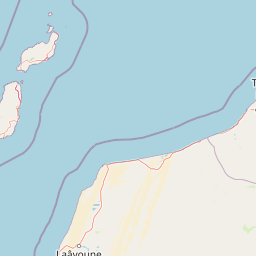
Gulf of Khnifiss National Park is situated in the Laâyoune-Sakia El Hamra region of Morocco, an area with complex geopolitical context as part of the broader Western Sahara territory. The local landscape has been shaped by the presence of small settlements along this coastal zone, including Akhfenir, which serves as a reference point for the park's location. The region has historically supported traditional land use patterns associated with pastoral activities and small-scale fishing, reflecting the adaptation of human communities to the challenging environmental conditions of this Saharan coastal fringe. The establishment of the park as a major ecotourism destination represents a contemporary land use designation that overlays these historical patterns of human-environment interaction.
Top sights and standout views in Gulf of Khnifiss National Park
The defining highlights of Gulf of Khnifiss National Park center on its remarkable ecological diversity compressed into a relatively compact coastal-desert interface. The Khenfiss lagoon stands as the park's centerpiece, representing the largest lagoon system on Morocco's Atlantic coastline and serving as a critical avian habitat. The dramatic visual contrast between the wetland waters and the adjacent Saharan dunes creates a landscape of exceptional photographic and observational appeal. The concentration of approximately 20,000 migratory waterbirds during winter months represents a wildlife spectacle of international significance, offering opportunities for bird observation that rival more famous wetland sites. The park's dual status as both a Ramsar site and an Important Bird Area provides institutional recognition of its conservation value, while the recent establishment as a national park signals ongoing development of visitor infrastructure and management capacity.
Best time to visit Gulf of Khnifiss National Park
The optimal time to visit Gulf of Khnifiss National Park aligns with the winter months when migratory waterbird populations reach their peak concentrations in the lagoon area. From approximately November through March, the park hosts its greatest avifaunal diversity and abundance, with the 20,000 birds that winter in the lagoon providing exceptional wildlife observation opportunities. The cooler temperatures of the winter season also make outdoor exploration more comfortable compared to the intense heat of summer months when desert interior temperatures can become extreme. Spring and autumn seasons offer transitional conditions and may provide good combinations of reasonable weather with reduced but still meaningful bird presence. Summer visits, while possible, are characterized by higher temperatures and reduced bird activity as migratory species have departed to northern breeding grounds.