Why Gunbower National Park stands out
Gunbower National Park is best known for its Ramsar-listed wetland system and its role as a critical habitat for migratory waterbirds within the Murray-Darling Basin. The park protects one of Victoria's largest remaining River Red Gum forests, which grows along the banks of Gunbower Creek and the Murray River. The wetland areas provide essential breeding and feeding grounds for numerous bird species that migrate along the East Asian-Australasian flyway, making the park significant for both Australian and international bird conservation.
Gunbower National Park history and protected-area timeline
The area now protected as Gunbower National Park has undergone significant changes in its management status and land use over recent decades. Prior to national park designation, the land was managed as Gunbower State Forest, with timber production and grazing among the historical uses. Recognition of the wetland's ecological significance led to the designation of Gunbower Forest as a Ramsar site on 15 December 1982, establishing international obligations for wetland conservation. The transition to national park status in June 2010 reflected growing understanding of the area's conservation value and the need for enhanced protection of the wetland ecosystem. This designation brought the management under Parks Victoria with a focus on conservation and ecological restoration rather than commercial uses.
Gunbower National Park landscape and geographic character
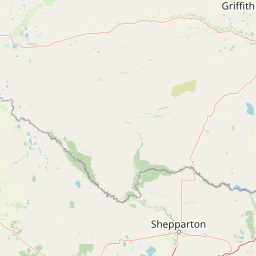
The landscape of Gunbower National Park is defined by its riverine and wetland character within the Murray-Darling Basin. The park spans flat to gently undulating terrain along the Murray River floodplain, with Gunbower Creek serving as a central waterway that meanders through the park's interior. The vegetation patterns reflect the hydrological conditions, with dense River Red Gum forests dominating the creek banks and lower-lying areas that experience more frequent flooding. Black box woodlands occur on slightly elevated ground that is less subject to inundation. The wetlands within the park include both permanent water bodies and seasonal wetlands that fill during periods of high river flow, creating a mosaic of aquatic habitats. The overall visual character combines the silver-grey foliage of river red gums with the darker canopies of black box, punctuated by the open waters of wetlands and the flowing waters of creeks.
Gunbower National Park ecosystems, habitats, and plant life
The ecological character of Gunbower National Park is shaped by its position within the Murray-Darling Basin and its mixture of forested river corridors and wetland habitats. The River Red Gum forests represent a dominant vegetation community that has adapted to the cyclical flooding patterns of the Murray River system. These forests provide structural complexity and habitat for numerous species, while the seasonal wetlands support distinct plant communities adapted to varying water depths and durations of inundation. The park's Ramsar designation is fundamentally connected to the wetland values, which include shallow aquatic areas, reed beds, and open water that together support high biological productivity. The floodplain ecosystem depends on the natural flow regimes of the Murray River, which influence the timing and extent of wetland inundation and consequently affect the ecological processes that sustain the park's biodiversity.
Gunbower National Park wildlife and species highlights
Gunbower National Park provides important habitat for wildlife, with particular significance for waterbird communities associated with the wetland environments. The Ramsar-listed wetlands support populations of migratory birds that travel along the East Asian-Australasian flyway, using the park as a breeding ground, feeding area, or resting site during their annual movements. The River Red Gum forests provide habitat for a range of terrestrial and arboreal species, while the wetlands support fish populations and amphibians. The diversity of habitats within the park, from permanent water bodies to seasonal flooding zones, creates conditions that support different wildlife communities throughout the year. The park's position along the Murray River corridor also facilitates the movement of wildlife through the landscape, connecting the park to broader ecological networks within the basin.
Gunbower National Park conservation status and protection priorities
The conservation significance of Gunbower National Park is anchored in its Ramsar wetland designation, which recognizes the international importance of the area for waterbird conservation and wetland ecosystem function. The park protects one of Victoria's significant freshwater wetland complexes within the Murray-Darling Basin, an ecosystem that faces numerous pressures from water extraction, land use change, and climate variability. The protection of the River Red Gum forests and wetlands within the national park contributes to the preservation of ecological communities that have declined elsewhere in the basin. Management of the park focuses on maintaining natural hydrological processes, controlling invasive species, and protecting the habitats that support migratory bird populations. The Ramsar designation brings international attention to the park and establishes conservation commitments that extend beyond national boundaries.
Gunbower National Park cultural meaning and human context
Gunbower National Park sits within the Traditional Country of the Yorta Yorta people, an Aboriginal nation whose lands traditionally encompassed parts of the Murray River region in northern Victoria and southern New South Wales. The Yorta Yorta people have deep historical connections to the Murray River and its floodplain landscapes, with the river serving as a central element of cultural identity, spiritual practice, and practical livelihood. The wetlands and forests of what is now the national park would have provided important resources for Indigenous communities over thousands of years. Contemporary management of the park acknowledges these cultural connections and the importance of incorporating Traditional Knowledge into conservation planning where appropriate.
Top sights and standout views in Gunbower National Park
The standout features of Gunbower National Park include its Ramsar-listed wetlands offering internationally significant habitat for migratory birds, the extensive River Red Gum forests that create a distinctive riverine landscape, and its location along the Murray River providing water-based recreational opportunities such as canoeing on Gunbower Creek. The park represents a rare example of relatively intact floodplain wetland ecosystem within the Murray-Darling Basin, where much of the original wetland habitat has been lost or modified. The combination of forest, wetland, and riverine environments creates a diverse landscape that supports ecological communities increasingly rare in the region.
Best time to visit Gunbower National Park
The best time to visit Gunbower National Park depends on the experience sought, though the cooler months from late autumn through winter to early spring typically offer comfortable conditions for exploring the park. Winter brings lower temperatures but also often means clearer skies and easier access to some areas, while spring coincides with the bird breeding season when waterbird activity increases in the wetlands. Summer months can bring high temperatures typical of inland Victoria, though the riverine environment provides some relief. The wetland conditions within the park respond to the Murray River's flow patterns, so the character of the wetlands can vary significantly between years depending on rainfall and upstream water management.