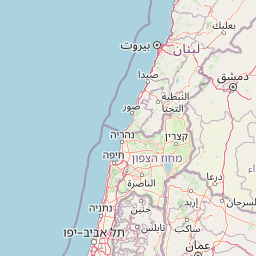
Why Hamat Tiberias National Park stands out
Hamat Tiberias is best known for its exceptionally preserved Roman-era thermal bath complex, one of the finest in Israel. The site features intricate mosaic flooring, vaulted ceilings, and a series of hot pools fed by natural mineral springs that remain active today. The combination of ancient engineering, ongoing geothermal activity, and lakeside setting makes this a unique destination where visitors can see original Roman construction still in use as thermal pools. The parks proximity to Tiberias also connects it to broader biblical and historical narratives associated with one of Jesus most frequent teaching locations.
Hamat Tiberias National Park history and protected-area timeline
The history of Hamat Tiberias stretches back to at least the Roman period, when the site was developed as a major thermal bath complex serving the city of Tiberias. The city itself was founded in the early first century CE by Herod Antipas and named after the Roman emperor Tiberius, making it one of the newer cities in ancient Jewish history. The hot springs attracted Roman settlers and visitors, leading to the construction of elaborate bathing facilities that reflected the Roman preference for hydrotherapy. The site continued to flourish during the Byzantine period, when the baths remained an important feature of the region. Over the centuries, the complex experienced earthquakes and rebuilding, yet the fundamental thermal function endured. The modern national park designation protects these ancient remains while allowing continued use of the thermal waters, creating a living archaeological site where history remains connected to present-day use.
Hamat Tiberias National Park landscape and geographic character
The landscape of Hamat Tiberias reflects the dramatic ecological transition between the freshwater environment of the Sea of Galilee and the semi-arid conditions of the surrounding Jordan Valley. The park occupies a narrow band along the lakeshore, where the flat valley floor meets the water through a shoreline of stones and limited wetland vegetation. The terrain is largely flat with minimal elevation change, consistent with the lake-margin setting. The most distinctive landscape feature is the steam that rises from the thermal springs, particularly visible during cooler months, creating an atmospheric fog that marks the location of the hot waters emerging from the earth. The surrounding landscape supports drought-resistant vegetation typical of the valley, including scattered tamarisk trees and salt-tolerant plants where mineral deposits create challenging growing conditions.
Hamat Tiberias National Park ecosystems, habitats, and plant life
The ecological character of Hamat Tiberias represents a transition zone between aquatic and terrestrial habitats, shaped significantly by the presence of the thermal springs. The Sea of Galilee itself supports a diverse freshwater ecosystem, though the immediate shoreline at the park is limited in vegetation due to the rocky substrate and human modification over centuries. The thermal springs create a unique aquatic environment with elevated water temperatures and mineral content that supports specialized organisms. Birdlife in the area includes species associated with freshwater habitats and wetlands, particularly during migration seasons when the Sea of Galilee serves as a crucial stopping point for waterfowl traveling between Europe and Africa. The surrounding terrestrial environment supports desert-adapted species adapted to the hot, dry conditions of the Jordan Valley.
Hamat Tiberias National Park wildlife and species highlights
Wildlife at Hamat Tiberias is most notable for the bird species that use the Sea of Galilee as a habitat and migratory corridor. The lake supports populations of fish that attract fishing birds, while the wetlands and reed areas provide breeding and resting habitat for waterfowl. During migration seasons, the area sees significant numbers of ducks, geese, and swans, along with various wading birds. The terrestrial areas around the park support the small mammals and reptiles typical of the Jordan Valley, including species adapted to the hot, dry conditions. The thermal pools themselves host specialized aquatic organisms adapted to the elevated temperatures and mineral content, though these are more of scientific interest than visible wildlife for typical visitors.
Hamat Tiberias National Park conservation status and protection priorities
Hamat Tiberias National Park represents a dual conservation challenge, protecting both significant archaeological heritage and unique geological and ecological features. The thermal springs are a finite resource, and their continued flow depends on the underlying geothermal system that must remain undisturbed. The archaeological remains require ongoing preservation efforts to protect the mosaic floors, standing structures, and other elements from weather damage and visitor impact. The parks location on the Sea of Galilee also connects it to broader water quality and ecosystem health concerns for this important freshwater reservoir. Management must balance public access to the thermal waters and archaeological site with protection of the sensitive features that make the location significant.
Hamat Tiberias National Park cultural meaning and human context
The cultural context of Hamat Tiberias is deeply intertwined with the history of Tiberias, one of the most important cities in ancient Jewish history and the center of Jewish life during the Talmudic period. The city was founded in the early first century and quickly became a major center of learning and religious significance. The thermal baths would have been visited by Jews, Romans, and others who lived in or visited the city, creating a cross-cultural space of healing and social gathering. The sites name in Hebrew, Hamat, simply means hot springs, capturing the defining feature that has drawn visitors across millennia. The location on the Sea of Galilee also connects it to the narrative of Jesus teaching by the lakeshore, as Tiberias served as a base for much of his public ministry.
Top sights and standout views in Hamat Tiberias National Park
The primary highlight of Hamat Tiberias is the opportunity to bathe in the same thermal waters used by ancient Romans nearly two thousand years ago. The archaeological complex remains remarkably visible, with visitors able to walk among the ancient pool structures, view the mosaic floors, and imagine the Roman bathing experience. The setting on the Sea of Galilee adds scenic value, with the lake and surrounding hills creating a pleasant backdrop. The combination of historical depth, ongoing natural function, and practical visitor access makes this a distinctive national park experience in Israel.
Best time to visit Hamat Tiberias National Park
The best time to visit Hamat Tiberias is during the cooler months from October through April, when the air temperatures are comfortable for exploring the outdoor archaeological site and the thermal waters are especially inviting. Summer temperatures in the Jordan Valley can be extreme, making midday visits uncomfortable. The winter months offer the additional atmospheric effect of steam rising from the hot springs against the cooler air, creating a visually distinctive scene. Spring and autumn provide pleasant weather for combining site visits with broader exploration of the Sea of Galilee region, though these are also peak tourist seasons.