Why Ichkeul National Park stands out
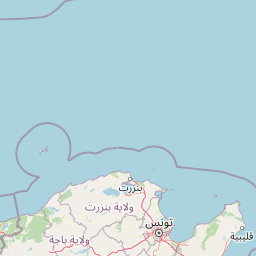
Ichkeul National Park is best known as a major migratory bird sanctuary, serving as a crucial resting and feeding ground for hundreds of thousands of birds traveling between Europe and sub-Saharan Africa. The lake's seasonal changes create rich feeding grounds that attract spectacular congregations of ducks, particularly the ruddy duck and pochard, as well as greater flamingos, purple herons, and white storks. The park's combination of open water, reed beds, and surrounding forested hills makes it one of the most biodiverse areas in Tunisia.
Ichkeul National Park history and protected-area timeline
Ichkeul National Park was established in 1980, formalizing protection for what had long been recognized as an ecologically significant area. The park's creation came amid growing international awareness of the need to protect migratory bird habitats and wetland ecosystems. Prior to national park designation, the lake and surrounding areas had been used for fishing, grazing, and agriculture, activities that continued to some degree within the park boundaries. The Tunisian government designated the area as a national park to balance conservation with sustainable traditional uses. In 1980, the park was also designated as a Ramsar site under the Convention on Wetlands of International Importance, recognizing its global significance as a waterbird habitat. Later, it was added to UNESCO's World Network of Biosphere Reserves, further cementing its international conservation status.
Ichkeul National Park landscape and geographic character
The park encompasses a varied landscape centered on the flat, shallow basin of Lake Ichkeul. The lake occupies a depression between hills to the north and east, with a maximum depth of only a few meters. Surrounding the lake are extensive reed beds and marshes that expand and contract with seasonal water level changes. The western and southern edges of the park feature gentle rolling terrain covered in Mediterranean woodland, with cork oak, eucalyptus, and wild olive trees. The landscape is punctuated by small agricultural plots and traditional settlements where local communities practice farming and livestock grazing. The panoramic views from the hills surrounding the lake offer sweeping vistas across the wetlands, particularly during winter when water levels are highest and bird congregations are most visible.
Ichkeul National Park ecosystems, habitats, and plant life
The ecological character of Ichkeul is defined by its dynamic wetland system. The lake's mix of fresh and brackish water supports diverse aquatic vegetation and provides ideal conditions for fish, which in turn sustain the large bird populations. The surrounding marshes feature extensive beds of common reed and emergent vegetation that provide nesting habitat and cover for waterbirds. The forested hills surrounding the wetland add another habitat layer, supporting terrestrial species including mammals like jackals and red foxes. The seasonal nature of the lake is central to its ecological function: winter rains fill the basin, creating vast areas of shallow water perfect for feeding waterfowl, while summer drying concentrates birds around remaining water bodies. This cycle has made Ichkeul a reliable and productive stop on the migratory route for countless species.
Ichkeul National Park wildlife and species highlights
Ichkeul's wildlife is dominated by its extraordinary bird populations. The lake hosts one of the largest wintering concentrations of ducks in the Mediterranean, with species including the common pochard, tufted duck, red-crested pochard, and ferruginous duck. Greater flamingos feed in the shallower areas, their pink plumage creating a striking visual against the grey-green reed beds. Herons, including the purple heron and little egret, hunt along the water's edge, while white storks and glossy ibis pass through during migration. The surrounding marshes provide breeding habitat for the endemic African subspecies of the purple swamphen. Fish populations in the lake include carp and mullet, which support the bird communities. The terrestrial areas support mammals including jackals, red foxes, and hedgehogs, though these are less frequently observed than the abundant birdlife.
Ichkeul National Park conservation status and protection priorities
Ichkeul National Park represents one of North Africa's most important conservation success stories. The park's dual designation as a Ramsar site and UNESCO Biosphere Reserve reflects its global significance for biodiversity conservation. The protection of this wetland ecosystem helps preserve a critical node in the East Atlantic Flyway, ensuring that migratory birds have safe resting grounds during their seasonal journeys. Conservation challenges include managing water abstraction upstream, which can affect the lake's seasonal water levels, and balancing traditional agricultural uses within the park with wildlife protection. The Tunisian government's management approach emphasizes maintaining the ecological character of the wetland while allowing sustainable traditional uses that have shaped the landscape for generations.
Ichkeul National Park cultural meaning and human context
The Ichkeul region has been inhabited for millennia, with evidence of human activity in the lake basin dating to ancient times. The wetlands have supported local communities through fishing, livestock grazing, and agriculture for generations. Traditional fishing practices continue on the lake, with local fishermen using small boats and traditional methods. The surrounding villages and agricultural landscape reflect centuries of human adaptation to the wetland environment. The area's cultural heritage includes connections to various historical periods, from Punic to Roman and beyond, though the wetland's ecological character remains the defining feature of the region.
Top sights and standout views in Ichkeul National Park
The park's defining highlight is the extraordinary concentrations of migratory waterbirds that gather here each winter, creating one of the most spectacular birdwatching experiences in North Africa. The sight of thousands of ducks rafting on the lake's surface, the pink flash of flamingos taking flight, and the silhouette of white storks perched in dead trees are the park's signature images. The seasonal transformation of the lake, from summer dryness to winter inundation, provides a dynamic backdrop to any visit. The surrounding forested hills offer pleasant walking opportunities with views across the wetlands, while the traditional villages around the park periphery provide glimpses of rural Tunisian life.
Best time to visit Ichkeul National Park
The optimal time to visit Ichkeul National Park is during the winter months, from November through March, when water levels are highest and bird populations are at their peak. This is when the largest numbers of migratory ducks and other waterbirds are present, making for exceptional wildlife viewing. December and January typically offer the best birdwatching conditions as the bird numbers reach their maximum. Summer visits (June to August) are less rewarding as the lake shrinks considerably and many bird species have departed, though the landscape has a different, more stark beauty. Spring migration in April and May can also produce notable bird sightings as passage species move through the region.