
Why Ilmenauer Teichgebiet stands out
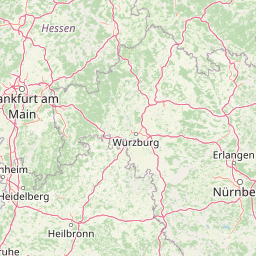
Ilmenauer Teichgebiet is best known for being one of the largest natural wetland complexes in Thuringia, set as a string of six interconnected ponds at the eastern edge of the university town of Ilmenau. It is recognized as a protected habitat for waterbirds and amphibians, and as a resting place for migratory birds, all framed by an unusual geological setting where gypsum rock forms a natural basin that keeps the ponds filled year-round. The ponds are also known for their layered cultural history, from medieval fish ponds documented in a 1351 Henneberg charter, to public bathing at the Brandenburger Teich from 1891, to today serving as a recreational landscape for Ilmenau residents. The annual autumn Abfischen fish harvest, the bird observation hut built on the foundation of an old diving tower at the Grosser Teich, and the long-running fish farming tradition using carp as the dominant species are all signature elements of the area's identity.
Ilmenauer Teichgebiet history and protected-area timeline
The ponds of the Ilmenauer Teichgebiet were first documented on 5 September 1351, in a charter in which the counts of Henneberg transferred the town of Ilmenau to the counts of Schwarzburg. At that time the area already functioned as a chain of fish ponds, a role that took on particular weight in the Ilm valley, where harsh climate and difficult topography repeatedly produced local food shortages. For centuries afterwards, the ponds remained a working landscape, with carp as the dominant farmed species and a yearly harvest that is still marked in October and November by a traditional public festival.
In the late 19th century, the ponds took on a new role. On 31 May 1891 a public bathing facility opened at the Brandenburger Teich, beginning the ponds' life as a recreational resource. The first bathing site operated only until 1904, because a men's bath was opened at the Grosser Teich in 1900 and a women's bath there in 1904, concentrating public bathing on the larger pond. The Grosser Teich bath continued in operation into the 1960s, until pollution from the nearby Technical University of Ilmenau made the water unsafe and the site was closed. To replace it, a new outdoor pool with two concrete basins was built in the Hammergrund area west of town.
Formal ecological protection came in stages. In 1977, the eastern part of the pond complex, the Steinteich, the Prinzessinnenloch, and the eastern part of the Grosser Teich, was declared a Flächennaturdenkmal, recognizing its ecological value. In 2002, the protected footprint was expanded to around 59.6 hectares and the area was redesignated as a full Naturschutzgebiet, or nature reserve, administered by the Ilm-Kreis. This branding as a habitat and species management area in the IUCN framework reflects its modern function as a refuge for waterbirds, amphibians, reptiles, meadow butterflies, and migratory birds, even as the ponds retain their cultural role in the life of Ilmenau.
Ilmenauer Teichgebiet landscape and geographic character
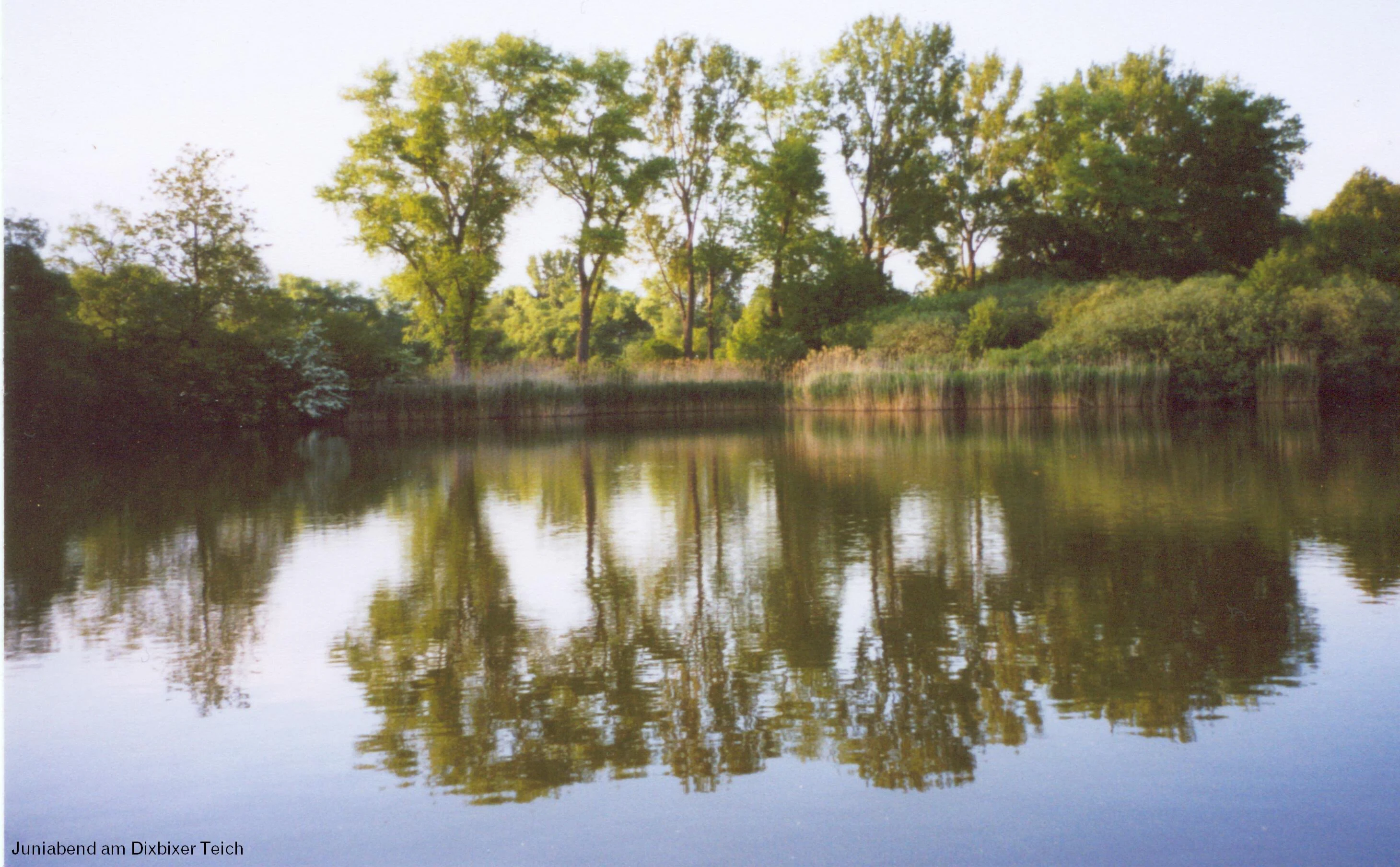
The landscape is defined by a chain of six ponds embedded in the eastern edge of Ilmenau, opening into a wetland corridor between the railway station and the Technical University of Ilmenau. The ponds differ in size and exposure, but together they form a coherent wetland mosaic set within a broader valley context shaped by gypsum bedrock that retains water near the surface. The Grosser Teich anchors the system at the center, with the smaller Neuhäuser Teich, Dixbixer Teich, Brandenburger Teich, Steinteich, and Prinzessinnenloch arrayed around it.
The hydrology is fed by the small Rottenbach stream, which supplies the ponds with slow-moving, mineral-rich water that has historically supported extensive fishponds. Two historical ponds that once completed the chain, the Tonteich and the Kalkgräberteich, also known as Lehmteich, were drained in the 18th century and now no longer exist as open water. Where the old ponds once lay, the surrounding ground carries subtle signs of this layered past: the Schülerfreizeitzentrum near the Grosser Teich sits near the old Tonteich area, and meadow and field use continues around the modern remnant ponds.
Around the ponds, the ground transitions from open water into damp meadows, reed zones, and wooded fringes, providing a soft composition of low vegetation and water surfaces that is visually distinct from the surrounding Thuringian Forest terrain to the south. The ponds are large enough to anchor the landscape for visitors, with their reflective surfaces and slow-moving margins giving the area a calm, open character that contrasts with the steeper, forested slopes of the region.
Ilmenauer Teichgebiet ecosystems, habitats, and plant life
The Ilmenauer Teichgebiet is a wetland complex whose ecological value rests on the combination of open water, vegetated margins, damp meadow areas, and transitional habitats around the ponds. The system functions as a habitat and species management area, designated both as a German nature reserve and in the IUCN Category IV framework, recognizing the importance of active conservation management rather than passive landscape protection alone.
The reserve supports several interacting ecological communities. The standing water of the ponds and their fringing reed and emergent vegetation zones provide breeding and resting conditions for waterbirds and habitat for amphibians and reptiles. The open meadows within the protected area are maintained for butterfly populations, particularly day-flying species that depend on the grassland structure around the ponds. This mix of aquatic, semi-aquatic, and meadow habitat, distributed across multiple interconnected basins, gives the reserve a layered ecological identity that is unusual in the otherwise forested and agricultural Thuringian landscape around Ilmenau.
Ilmenauer Teichgebiet wildlife and species highlights
Wildlife is the most prominent reason for the modern ecological significance of the Ilmenauer Teichgebiet. The ponds are valued first as a breeding area for waterbirds, providing nesting and feeding conditions within and along the margins of each of the main ponds. The reserve is also recognized as a stopover for migratory birds, with the chain of ponds offering resting habitat during seasonal passage through central Germany.
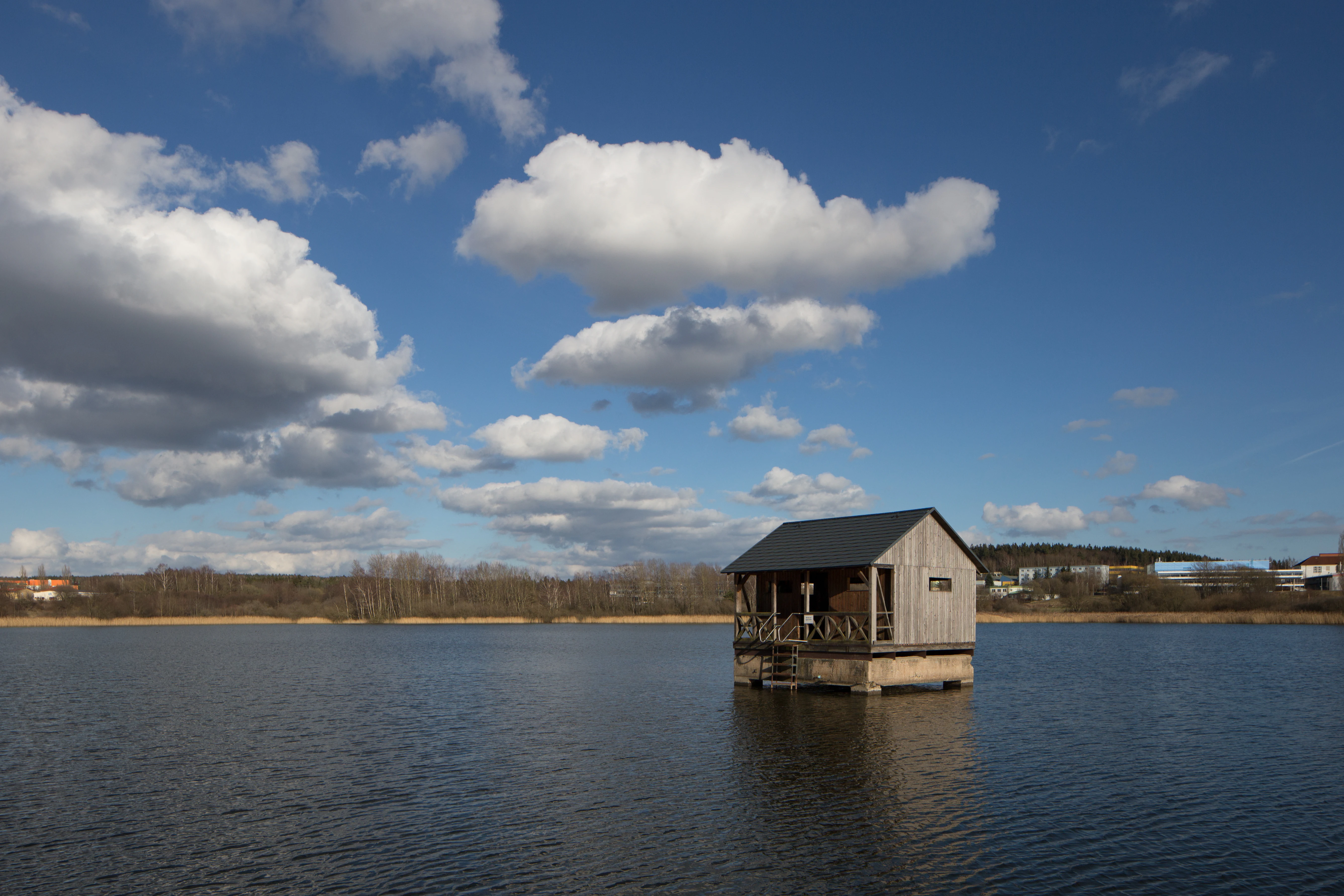
Beyond the birdlife, the reserve supports amphibians and reptiles that depend on the standing water and damp margins of the ponds. The open meadows around the wetland additionally sustain populations of butterflies, especially diurnal species whose presence is one of the explicit reasons cited for the protection of the grassland areas within the reserve. To support observation, a birdwatching hut has been built on the foundation of an old diving platform in the Grosser Teich, giving visitors direct access to view the birdlife without disturbing the ponds.
Ilmenauer Teichgebiet conservation status and protection priorities
The conservation significance of the Ilmenauer Teichgebiet is rooted in its long-running role as a wetland refuge within a region dominated by forest, slopes, and urban land. The gypsum-based basin that keeps the ponds filled has historically given the area a persistent character as a water-rich habitat in an otherwise dry and cool part of Thuringia.
This value was first formally recognized in 1977, when the eastern portion of the pond area was declared a Flächennaturdenkmal, giving it protected area status. In 2002, the protection was significantly expanded to about 59.6 hectares and the designation upgraded to a full Naturschutzgebiet, bringing nearly all of the remaining ponds and their surrounding meadows under coordinated conservation management. Under the IUCN system the reserve falls into Category IV, habitat and species management area, indicating that active management is part of its conservation approach. The conservation priorities emphasize protection of waterbird breeding habitat, amphibian and reptile populations, butterfly-friendly meadows, and migratory bird resting areas, while still accommodating the long-standing local uses of the ponds for fish farming and recreation.
Ilmenauer Teichgebiet cultural meaning and human context
The Ilmenauer Teichgebiet reflects a layered human relationship with a wet landscape in a region where geography and climate made food production unreliable. The ponds were documented as early as 1351, and over centuries they have been used to secure a local protein source through carp farming, with the autumn Abfischen fish harvest still celebrated as a local tradition.
In the late nineteenth century, the ponds also became a social resource for the townspeople. Public bathing at the Brandenburger Teich opened in 1891, and the Grosser Teich became the focal bathing pond with separate men's and women's facilities in the early 1900s. Bathing continued there into the 1960s, when university-related pollution forced it to close, after which outdoor swimming shifted to a new pool west of town. Today, the ponds continue this mixed identity: the Schülerfreizeitzentrum near the Grosser Teich hosts a small animal park and an independent school hostel, the wooded pond-side areas are used for evening gatherings such as grilling, boats can be rented, and a birdwatching hut invites quiet use of the same waters that have shaped life in Ilmenau for more than six centuries.
Top sights and standout views in Ilmenauer Teichgebiet
Ilmenauer Teichgebiet stands out as one of the largest natural wetland complexes in Thuringia, anchored by the central Grosser Teich and completed by five connected ponds of varying character.
Its identity rests on a combination of unusual geology, sustained carp farming, nineteenth century public bathing heritage, and modern ecological protection as a 1977 natural monument and 2002 nature reserve, together with active infrastructure such as a birdwatching hut and the local Schülerfreizeitzentrum that keeps the ponds woven into the everyday life of Ilmenau.
Best time to visit Ilmenauer Teichgebiet
The Ilmenauer Teichgebiet can be experienced throughout the warmer months, when the pond surfaces and meadow paths are most inviting for walking and observation. Spring is a particularly rewarding time for waterbirds and early amphibian activity around the edges of the ponds, while late summer and early autumn offer the richest birdwatching conditions, since migratory species use the chain of ponds as a resting place. The traditional autumn Abfischen festival in October and November also brings a distinctive cultural atmosphere to the area, reflecting centuries of carp-fishing heritage at the site.