Why Inderkilla National Park stands out
Inderkilla National Park is best known for its population of snow leopards and Himalayan brown bears, two of the most iconic and elusive large mammals of the Himalayan region. The park's dense coniferous and oak forests provide critical habitat for leopards, both common and snow varieties, as well as for Himalayan tahr and musk deer. The area's biodiversity extends to over 250 recorded bird species, making it significant for ornithological diversity. The Trans-Himalayan setting, combined with the presence of the Beas River and diverse vegetation communities ranging from pine forests to alpine meadows, creates a distinctive mountain landscape within India's protected area network.
Inderkilla National Park history and protected-area timeline
Inderkilla National Park was formally established in 2010, representing a relatively recent addition to India's network of protected national parks. The creation of the park reflected growing recognition of the ecological importance of the Trans-Himalayan regions in Himachal Pradesh and the need to provide formal conservation status to the diverse habitats found in the Kullu Valley area. Prior to national park designation, the area likely existed as part of broader forest reserves or wildlife sanctuaries, though specific historical details about earlier protection status are limited in the available source material. The establishment of Inderkilla as a national park aligned with India's broader conservation goals of protecting representative samples of different ecological zones and habitats, with particular emphasis on regions supporting endangered species and significant biodiversity.
Inderkilla National Park landscape and geographic character
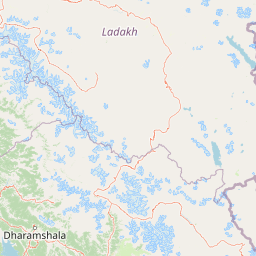
The landscape of Inderkilla National Park is defined by its mountainous setting within the Kullu Valley, featuring hilly terrain that rises through forested slopes toward alpine zones. The terrain is characterized by steep inclines, rocky outcrops, and dense forest cover that blankets the valley slopes. The Beas River flows through the park, carving its way through the mountainous terrain and creating riparian corridors that provide water access for wildlife throughout the year. The forest composition includes mixed coniferous woodlands with species such as spruce and fir, oak forests in certain zones, and scattered juniper and rhododendron growth. Alpine pastures appear at higher elevations, creating a vertical zonation of vegetation that reflects the temperature gradients associated with increasing altitude. The combination of the river valley, forested slopes, and alpine meadows creates a diverse and visually striking mountain landscape typical of the Trans-Himalayan zone.
Inderkilla National Park ecosystems, habitats, and plant life
The natural environment of Inderkilla National Park encompasses a range of habitat types that support considerable biodiversity. The park's vegetation includes mixed coniferous forests dominated by spruce, fir, and pine species, interspersed with oak woodlands that provide different ecological niches. Alpine pastures occur at higher elevations, supporting plant communities adapted to harsh mountain conditions. The presence of the Beas River adds a riparian element to the park's ecological character, creating wetland habitats and water sources that attract diverse wildlife. The Trans-Himalayan positioning of the park places it at an ecological crossroads between different biogeographic zones, contributing to the diversity of species found within its boundaries. Notable plant species found in the park include juniper, rhododendron, walnut, and maple, while the rare Bhojpatara tree and various Artemisia species represent specialized components of the alpine flora.
Inderkilla National Park wildlife and species highlights
Inderkilla National Park supports a notable assemblage of mammal species, with several large carnivores occupying prominent positions in the park's ecological community. Snow leopards and common leopards both occur within the park, representing apex predators of the Himalayan ecosystem. Himalayan brown bears and Asian black bears are present, utilizing the forested areas and alpine zones for foraging and shelter. The park provides habitat for Himalayan tahr, a mountain goat-antelope adapted to steep cliff terrain, as well as musk deer whose valuable musk pod has historically made them targets of poaching. Over 250 bird species have been recorded in the park, including the Himalayan griffon, a large vulture species considered endangered and important for ecological function. The combination of forest-dwelling species, alpine inhabitants, and river-associated wildlife creates a diverse mammalian and avian community that reflects the varied habitats within the park's boundaries.
Inderkilla National Park conservation status and protection priorities
Inderkilla National Park serves as an important conservation area within the Trans-Himalayan zone, providing protected status to habitats that support several endangered and threatened species. The presence of snow leopards, Himalayan griffons, and other species of conservation concern gives the park particular significance beyond its relatively recent establishment. The protected area framework helps regulate land use and human activity within the park boundaries, reducing pressures on wildlife populations and their habitats. The Beas River flowing through the park also receives protection as part of the broader ecosystem, supporting aquatic biodiversity and providing water security for wildlife during dry seasons. Conservation challenges in Himalayan protected areas often include managing human-wildlife conflict, preventing poaching and illegal wildlife trade, and balancing ecological preservation with the needs of local communities. The park's designation as a national park provides the institutional framework for addressing these conservation priorities.
Inderkilla National Park cultural meaning and human context
Inderkilla National Park is situated in Himachal Pradesh, a region with deep cultural connections to the Himalayan landscape and traditions that have shaped the relationship between local communities and the mountains for centuries. The Kullu Valley, where the park is located, has a rich cultural heritage reflected in local traditions, religious practices, and the historical development of hill settlements. While the source material does not provide specific details about indigenous communities or historical land use within the park's boundaries, the broader region is home to Himalayan peoples whose livelihoods and cultural practices are intimately connected to the mountain environment. The establishment of the park represents a formalization of conservation that operates within this cultural context, requiring ongoing consideration of how protected area management interacts with traditional land uses and community interests in the region.
Top sights and standout views in Inderkilla National Park
Inderkilla National Park's highlights include the opportunity to encounter snow leopards and Himalayan brown bears in their natural mountain habitat, one of the rarest wildlife experiences in the Himalayan region. The park's over 250 recorded bird species make it a significant destination for birdwatchers, with the endangered Himalayan griffon representing a particularly notable species. The Trans-Himalayan setting offers diverse landscapes ranging from river valleys to alpine meadows, while the Beas River adds a dynamic water element to the mountain terrain. Hiking through dense coniferous forests and open alpine pastures provides access to the scenic beauty of the Kullu Valley from within a protected wilderness area.
Best time to visit Inderkilla National Park
The best time to visit Inderkilla National Park would typically align with the warmer months in the Himalayan region, from spring through autumn, when weather conditions are more favorable for outdoor activities and wildlife viewing. The summer months of May through June offer pleasant temperatures in the valley and are conducive to hiking the park's trails. Autumn brings clear skies and fall foliage colors that enhance the visual appeal of the forested landscapes. Winter visits would be challenging due to snow and cold temperatures at higher elevations, though some visitors may appreciate the winter mountain environment. The monsoonal season from July to September brings rainfall to the Himalayan foothills, which can affect trail conditions and accessibility. Visitors planning trips to Himalayan national parks should consider the variable mountain weather and consult current conditions before finalizing travel plans.