Why Lagunas de Chacahua National Park stands out
Lagunas de Chacahua is best known for its extensive coastal lagoon system and its role as a critical habitat for the American crocodile along Mexico's Pacific coast. The park's interconnected waterways, mangroves, and wetlands support exceptional birdlife, with populations of storks, herons, pelicans, and spoonbills drawing nature enthusiasts. The crocodile nursery within the park raises juvenile American crocodiles for release into the wild, offering visitors a unique opportunity to observe these reptiles up close. The Ramsar designation in 2008 underscores the international recognition of the park's wetland conservation value.
Lagunas de Chacahua National Park history and protected-area timeline
Lagunas de Chacahua was established on July 9, 1937, by presidential decree of Lázaro Cárdenas del Río, making it the first protected area in Mexico designated specifically for tropical ecosystems. This pioneering designation reflected early recognition of the region's ecological significance and set a precedent for conservation in Mexico's diverse natural environments. The park's founding is associated with communities of African descent, locally referred to as mexicoafricanos, who have inhabited the region for generations and whose presence shaped the cultural landscape of the area. The name 'Chacahua' originates from the Mixteco indigenous language, translating to 'place where shrimp abound,' a reference to the abundant aquatic life in the lagoon system. In February 2008, the lagoons received international recognition as a Ramsar Wetland, being added to the List of Wetlands of International Importance, which underscored the global significance of the park's ecological communities and hydrated habitats.
Lagunas de Chacahua National Park landscape and geographic character
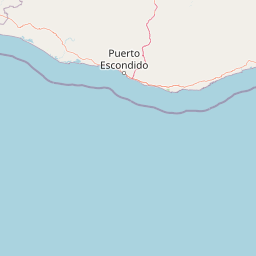
The park's terrain encompasses seven distinct geomorphological units that together create a diverse coastal landscape. The system includes coastal and fluvial plains, deltaic areas, rolling hills known as lomeríos, marshlands, coastal sand bars, and the water bodies themselves. The lagoon complex sits within a low-lying coastal setting where the interaction between river systems and the Pacific Ocean has produced a network of interconnected water bodies of varying depth and salinity. The landscape transitions from the open Pacific coastline along the southern boundary to inland areas where freshwater influence predominates. Mangrove forests line much of the shoreline, providing both ecological function and visual character to the waterways. Beyond the aquatic zones, the park includes areas of dryland forest, scrubland, and patches of savanna, creating a mosaic of habitats that reflects the complex geological history of the region.
Lagunas de Chacahua National Park ecosystems, habitats, and plant life
Lagunas de Chacahua supports ten distinct vegetation types that reflect the interplay between coastal, aquatic, and terrestrial environments. These include thorn forest (selva espinosa), swamp forest, deciduous forest, subtropical broadleaf forest, mangrove communities, savanna, gallery forest, emergent wetland vegetation (tular), palm groves, and coastal dune systems. The aquatic ecosystem encompasses the main lagoon complex plus four additional smaller water bodies: Poza el Mulato, Palizada, Poza de los Corraleños, and Salina Grande. The park contains over 530 documented species of plants and animals, with 42 species classified under some category of risk according to Mexico's NOM-059 endangered species list and 24 exotic species recorded. The subhumid tropical climate, with annual precipitation between 600 and 1500 millimeters and temperatures exceeding 20 degrees Celsius, supports the lush vegetation and productive ecosystems that characterize the park.
Lagunas de Chacahua National Park wildlife and species highlights
The park's wildlife is characterized by significant populations of waterbirds and reptilian species that thrive in the wetland and lagoon environments. Bird species commonly observed include storks, herons, wild ducks, blue-winged teals, pelicans, and spoonbills, many of which use the lagoons as feeding and resting areas along migratory routes. Four species of sea turtles visit the park's beaches to nest, contributing to the regional importance of the Pacific coast for marine turtle conservation. The American crocodile (Crocodylus acutus) inhabits the waterways, with the park operating a crocodile nursery that raises juveniles for eventual release. The lagoon system also supports populations of iguanas and other endemic species, making the area important for both resident and migratory wildlife. The combination of aquatic habitat, mangrove forest, and adjacent terrestrial environments creates a diverse ecological setting that supports this rich faunal community.
Lagunas de Chacahua National Park conservation status and protection priorities
The designation of Lagunas de Chacahua as a Ramsar Wetland in 2008 represents the highest level of international recognition for the park's conservation significance. This designation places the park within a global network of wetlands protected under the Ramsar Convention, highlighting its importance as habitat for waterfowl, migratory birds, and endangered species. The park's protected status helps conserve the intricate lagoon ecosystem, the mangrove forests that provide critical ecological services, and the nesting beaches used by sea turtles. The crocodile nursery program contributes directly to conservation of the American crocodile, a species that faces pressure throughout its range. The presence of 42 species in risk categories under Mexican endangered species regulations underscores the importance of the protected area in maintaining populations of threatened flora and fauna.
Lagunas de Chacahua National Park cultural meaning and human context
The region surrounding Lagunas de Chacahua is home to communities with African ancestry, known locally as mexicoafricanos, who have inhabited the Pacific coast of Oaxaca for generations. These communities have developed cultural practices and traditional uses of the landscape that are intertwined with the natural environment of the lagoon system. The Mixteco language origin of the park's name reflects the indigenous heritage of the broader region, even as the local population includes communities with diverse ancestral backgrounds. The area's cultural fabric includes traditional fishing practices, local cuisine centered on aquatic resources, and community-based approaches to managing the natural resources upon which local livelihoods depend.
Top sights and standout views in Lagunas de Chacahua National Park
The lagoon system at Lagunas de Chacahua offers visitors a distinctive experience of coastal wetland environments not commonly found in more mountainous or desert regions of Mexico. Boat tours provide access to the mangrove channels and open waters where large concentrations of waterbirds can be observed, particularly during migration seasons. The crocodile nursery provides an educational opportunity to view juvenile American crocodiles and learn about conservation efforts for this species. The Ramsar designation highlights the park's international significance as a wetland of importance, while its history as Mexico's first tropical protected area gives it special status in the country's conservation legacy. The diversity of habitats, from open water to coastal dunes, supports a range of wildlife viewing opportunities within a relatively compact area.
Best time to visit Lagunas de Chacahua National Park
The subhumid tropical climate of Lagunas de Chacahua produces warm conditions throughout the year with temperatures consistently above 20 degrees Celsius. The park can be visited year-round, though the dry season from November through May typically offers more predictable conditions for boat tours and outdoor activities. The rainy season from June through October brings higher humidity and occasional heavy rainfall, though this period also maintains the lush appearance of the vegetation. Birdwatching opportunities exist throughout the year, with migratory species present during winter months offering particularly diverse avian activity. The warm climate means that any season provides suitable conditions for exploring the park's ecosystems, though visitors seeking to minimize rainfall may prefer the drier months.