

Mori Atlas logo
Nature reserveMechnáčky

Mapped meadows, calcareous grassland habitats, and remnants of traditional Carpathian botanical terrain

Mechnáčky Nature Reserve: A Protected Landscape Within the White Carpathians of the Zlín Region

(Přírodní památka Mechnáčky)

Mechnáčky stands as a significant nature reserve located on the western edge of the White Carpathians in the Zlín Region. This protected area preserves a unique mosaic of flower-rich dry grasslands and historical wetland slopes, showcasing the complex ecology of the Magura flysch terrain. By examining the mapped boundaries and natural features of this site, observers gain deep context into the conservation challenges and botanical importance of seminatural Carpathian meadows.

meadowlandWhite Carpathiansorchid-rich grasslandflysch geologycalcareous grasslandswetland meadows
A digital illustration showing a lush green mountain landscape with a cascading waterfall in a deep valley, surrounded by stylized pine and deciduous trees under a light blue sky with clouds.

Mechnáčky

Nature reserve

Park overview

Structured park overview, official facts, and landscape profile for Mechnáčky Natural Monument

Mechnáčky Natural Monument park facts, protected area profile, and essential visitor context

Review the core facts for Mechnáčky Natural Monument, including designation, size, terrain, visitor scale, habitats, and operating context in one park-focused overview.

About Mechnáčky Natural Monument

Mechnáčky belongs to the system of small protected natural monuments in the Czech Republic and is one of the emblematic botanical sites of the White Carpathians. The reserve occupies a complex, dissected hillside in the Straňanská kotlina basin, on the left slope of the Svinárský stream, and protects a mosaic of traditionally managed meadows, springs, small landslides, and patches of shrubs and trees.

The site's importance lies in the exceptional botanical richness of its grassland communities, which belong to thermophilous grass-herb vegetation characteristic of the flysch Carpathians. Meadows of this kind once stretched continuously across the White Carpathians, supporting one of the richest seminatural grassland floras in Central Europe. Mechnáčky preserves a representative fragment of this disappearing landscape, including characteristic dry-grassland dominants like Festuca rupicola and Carex montana, together with numerous orchid species for which the region is internationally recognized.

Management at Mechnáčky reflects the wider challenges facing traditional Carpathian hay meadows. After decades of disrupted management, invasive pressure from woody species and coarse reeds, and the loss of nearly all natural seepage and wetland habitats, the site today functions both as a refuge for surviving rare species and as a seed source for surrounding grasslands that are being restored. As such, it represents a working example of how small Carpathian reserves contribute to landscape-scale recovery of one of Europe's most valued seminatural grassland regions.

Quick facts and research context for Mechnáčky Natural Monument

Mechnáčky is a Czech natural monument (přírodní památka) declared in July 1982 by the District National Committee in Uherské Hradiště and re-confirmed in 1991. It covers roughly 10.93 hectares at about 500 meters above sea level within the Protected Landscape Area of the White Carpathians.

The reserve sits on the left slope of the Svinárský potok valley in the Straňanská kotlina basin, on calcareous flysch bedrock. Its core value lies in remnants of orchid-rich meadow vegetation and a once diverse mix of wetland and dry-grassland communities that have largely disappeared elsewhere in the region.

Protection and recognition

Documented terrestrial conservation scope and official designation timeline

Mechnáčky Protection Status and International Designation History

Mechnáčky maintains a documented terrestrial protection status established in nineteen ninety one. Official conservation records outline the baseline designation history and territorial management scope without additional international recognition sources.

Protection details

Protection scope
Terrestrial
Designated year
1991
Transboundary protection
No
Park context

Deeper park guide and search-rich context for Mechnáčky Natural Monument

Mechnáčky Natural Monument history, landscape, wildlife, and travel context

Explore Mechnáčky Natural Monument through its history, landscape character, ecosystems, wildlife, conservation priorities, cultural context, and seasonal travel timing in a structured park guide built for atlas discovery and search intent.

Why Mechnáčky Natural Monument stands out

Mechnáčky is best known as one of the most flower-rich surviving examples of White Carpathian seminatural meadows, with an exceptional concentration of orchid species and other rare plants typical of calcareous Carpathian grasslands.
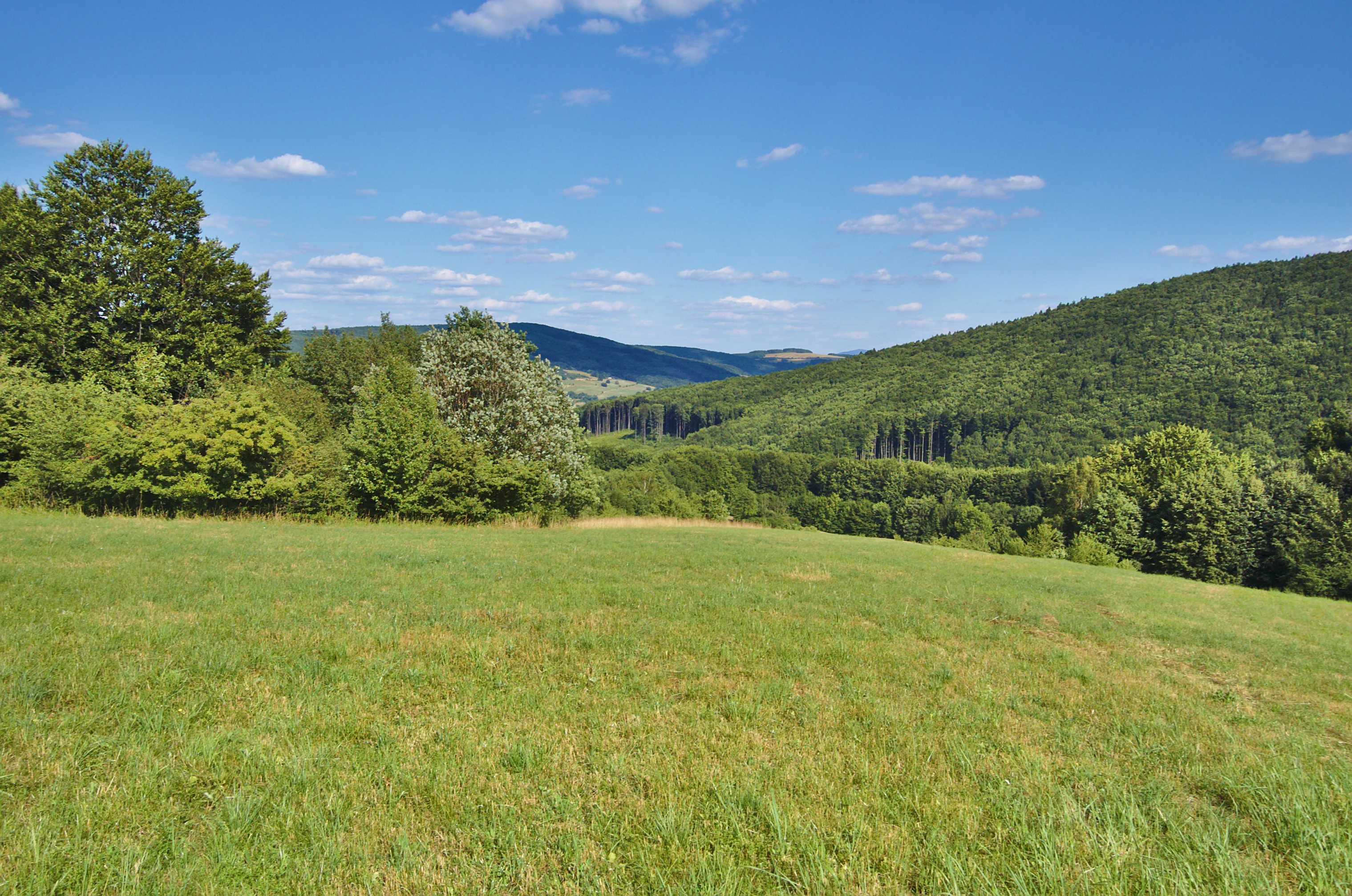
A wide, sunny landscape shot showing a green grassy meadow in the foreground leading into a series of rolling, forested hills under a blue sky with light clouds.
A sunny view over the meadow landscape of Mechnáčky nature reserve.

Mechnáčky Natural Monument history and protected-area timeline

The site was formally declared a protected natural monument on July 22, 1982, by decision of the District National Committee in Uherské Hradiště, and its protection was reconfirmed on August 1, 1991, by decree of the Uherské Hradiště District Office. From the outset, its protection aimed to preserve a fragment of species-rich Carpathian meadows that combined dry-grassland and wetland communities in a single landscape mosaic.

Historically, Mechnáčky formed part of an extensive complex of single-cut hay meadows that dominated much of the surrounding White Carpathian countryside. During the 1970s, large portions of these traditional meadows were plowed, and fertilizers and herbicides from newly created fields began to affect the edges of what is now the reserve. After agricultural use ceased, much of the abandoned land was overgrown by invasive woody species. In 1995 former fields were reconverted to meadows, and in 1996 invasive shrubs were removed, beginning a restoration process that continues today under annual mowing. By the early 21st century, however, the last natural wetlands had already dried out, marking a turning point in the ecological history of the site.

The reserve is administered by the Authority of the White Carpathians Protected Landscape Area (Správa CHKO Bílé Karpaty) and is recorded in the Central List of Nature Conservation under code 796, classified as an IUCN Category IV managed reserve.

Mechnáčky Natural Monument landscape and geographic character

Mechnáčky occupies a broad, dissected valley feature cut into the left-hand slope of the Svinárský stream in the Straňanská kotlina basin. The setting is characteristic of the flysch White Carpathians, with rolling terrain, shallow landslides, and a patchwork of meadow, spring seepage zones, scattered shrubs, and small woodland patches.

The geology is dominated by the calcareous Svoníce Formation of the Bělokarpatská unit of the Magura flysch, built mainly of calcareous siltstones of Late Cretaceous to Early Paleocene age. On Quaternary sediments above this bedrock, pseudogley soils developed, and the combination of impermeable layers and valley topography historically supported a dynamic network of springs and small wetlands. Landslides, surface wash from former arable land, and shifting spring outlets have all shaped the present-day mosaic of microhabitats that gives Mechnáčky its varied terrain.
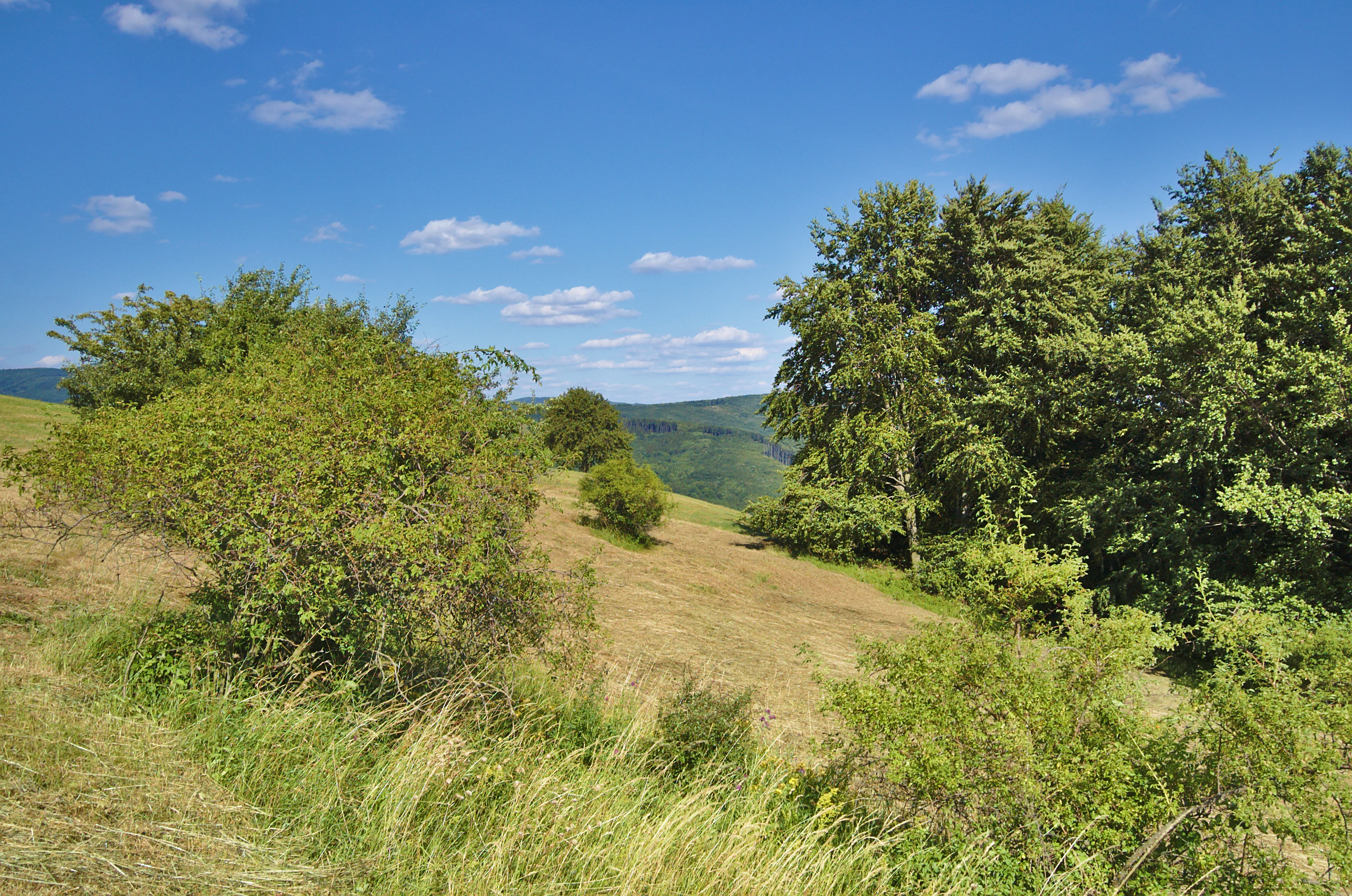
A landscape view showing grassy meadow slopes and patches of deciduous forest under a blue sky.
A view of the landscape at Mechnáčky natural monument in the White Carpathians.

Mechnáčky Natural Monument ecosystems, habitats, and plant life

Ecologically, Mechnáčky represents a remnant of seminatural Carpathian grassland that once covered large parts of the White Carpathians. Its meadows belong to the thermophilous grass-herb community of the Cirsio-Brachypodion pinnati alliance, in which Festuca rupicola and Carex montana are dominant, and which is among the most botanically diverse grassland types in Central Europe.

The site is internationally significant for its orchids. Numerous protected and threatened species of the family Orchidaceae have been recorded here, including Dactylorhiza incarnata, Dactylorhiza sambucina, Anacamptis pyramidalis, Ophrys fuciflora, Epipactis palustris, Traunsteinera globosa, Gymnadenia conopsea, and several Orchis species. Historical wetland specialists such as Dactylorhiza majalis, Eriophorum latifolium, Valeriana dioica, and Lathyrus pannonicus were once common but have become exceedingly rare as the site's springs and seeps dried up.

Wet woodland fringes along the stream, dominated by alder and willow, and a small beech grove in the upper part of the reserve add structural diversity. Today, abandoned and drying sections have been colonized by invasive gray willow, common reed, bushgrass, and horsemint, altering the ecological balance and reinforcing the need for continuous mowing and active habitat management.
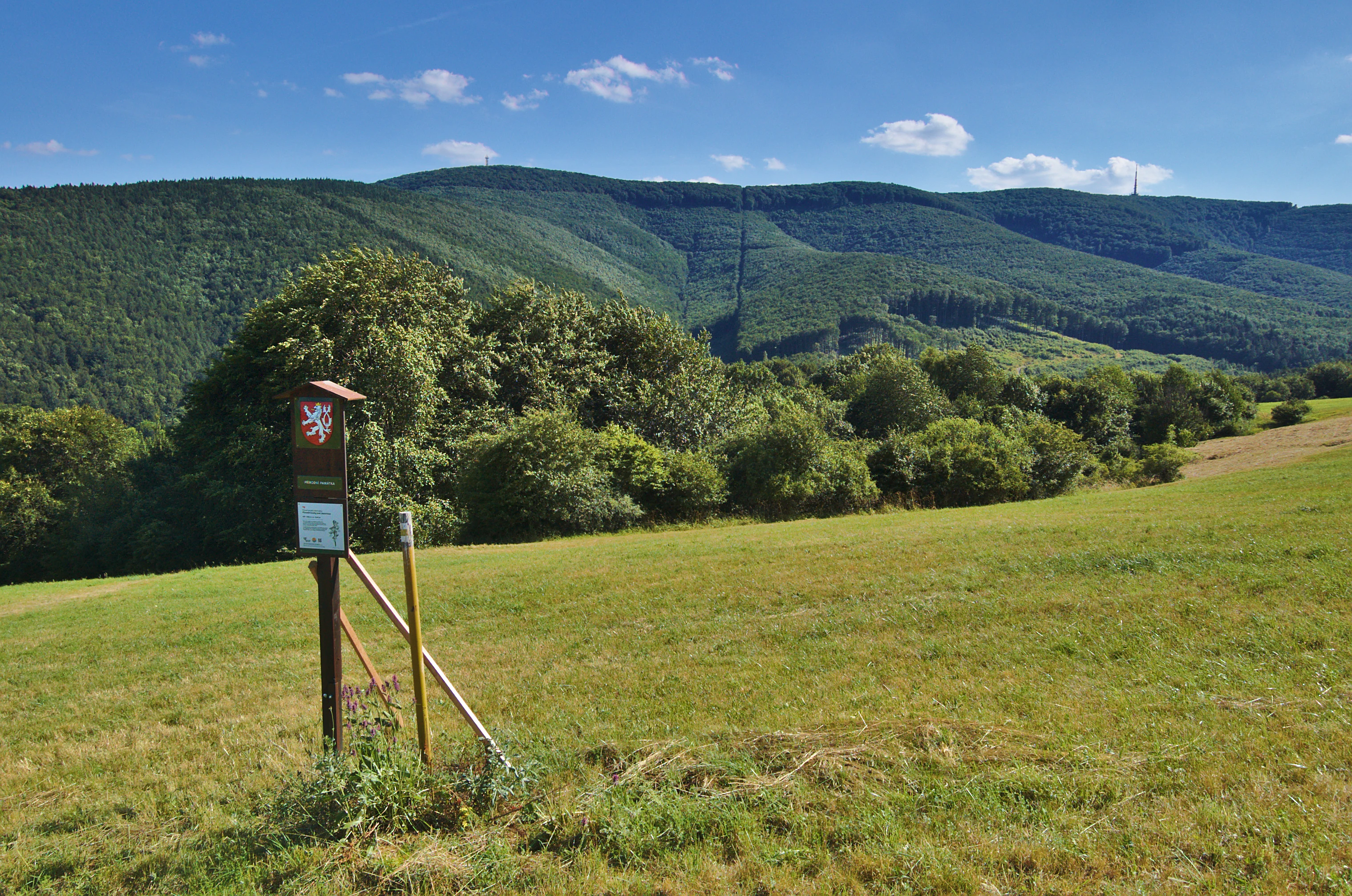
A nature reserve sign with a red shield emblem featuring a double-tailed lion sits on a wooden post in a grassy field, with forested hills in the background.
A protected area signage post overlooking the grassy landscape of Mechnáčky nature reserve.

Mechnáčky Natural Monument wildlife and species highlights

Mechnáčky supports a rich and varied invertebrate fauna typical of flower-rich White Carpathian meadows. Thirty-nine spider species, six harvestman species, and twelve ant species have been recorded here, along with characteristic butterflies of calcareous Carpathian grasslands.

Among butterflies, notable species include Brenthis hecate, a rare fritillary for which the White Carpathians mark the northern edge of its range, as well as Argynnis paphia and Lycaena dispar. The historically present Colias myrmidone has disappeared. Rare phytophagous beetles and other insects such as Apion interjectum, Apion aeneomicans, Smaragdina xanthaspis, Mantis religiosa, Polysarcus denticaudus, and Cassida murraea have also been documented.

Amphibians are well represented, with European tree frog, common frog, and yellow-bellied toad all using the site. A small artificial pool created in 2003 has supported amphibian breeding, although illegal fish stocking has disrupted this habitat by introducing predators of tadpoles and aquatic invertebrates. Birdlife reflects the site's mosaic of meadows and shrubs, with tree pipit, blackcap, lesser whitethroat, red-backed shrike, and whinchat all present, along with grassland birds such as corncrake and common quail breeding in the meadows, and occasional visits by hoopoe.
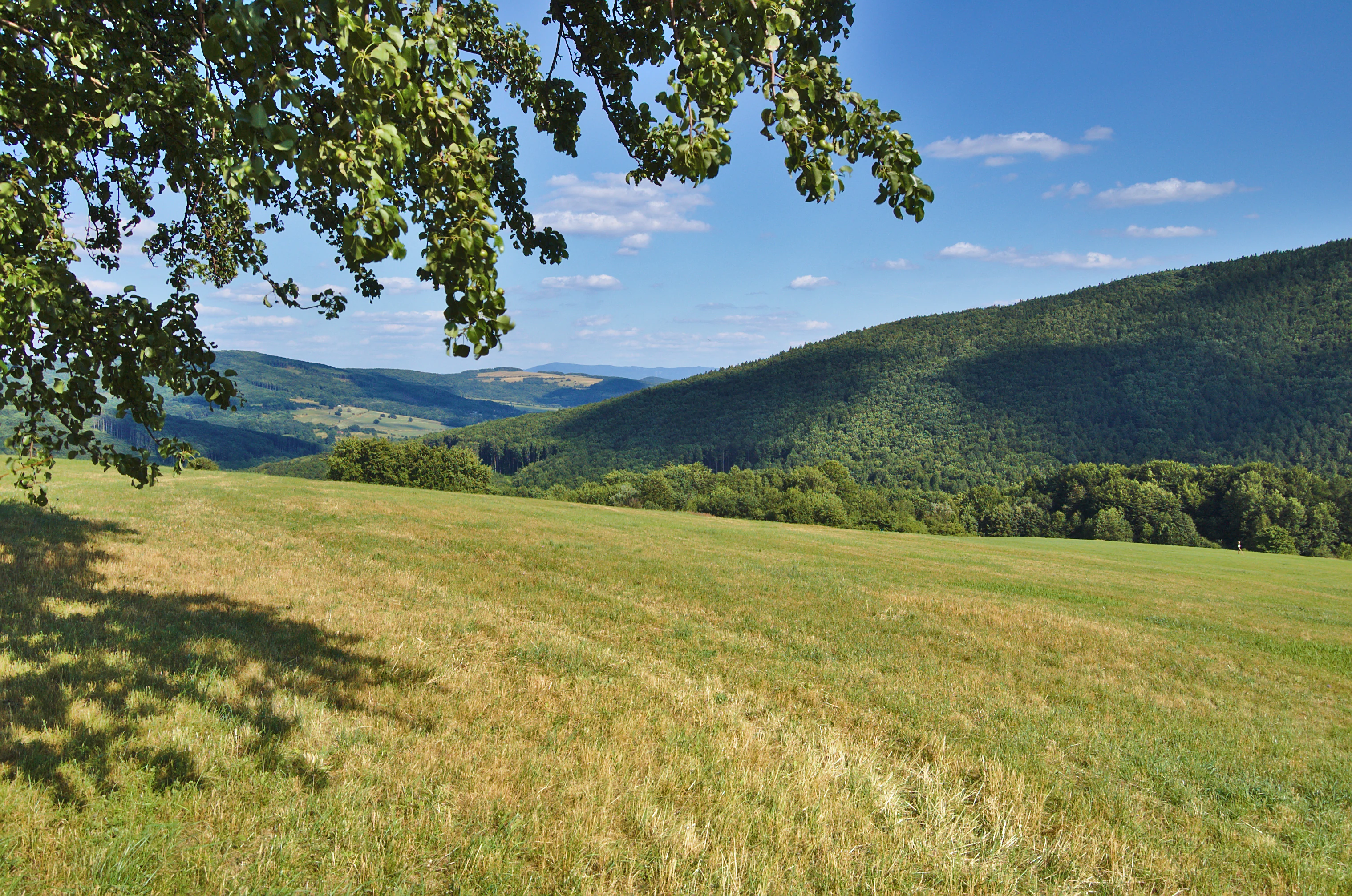
A sunny landscape view of a grassy meadow sloping down toward forested hills under a blue sky with scattered clouds.
A view across the open meadows of the Mechnáčky nature reserve in the White Carpathian region.

Mechnáčky Natural Monument conservation status and protection priorities

The principal conservation value of Mechnáčky lies in its role as a refuge for the exceptionally species-rich flora and fauna of traditional White Carpathian seminatural meadows. Its designation in 1982 responded directly to the richness of its orchid populations and its combination of dry-grassland and wetland communities, both of which had become vanishingly rare in intensively farmed landscapes.

The reserve illustrates the conservation challenges facing Carpathian meadow systems. Traditional single-cut haymaking once maintained both botanical diversity and the hydrological balance that sustained spring-fed wetlands. Disruption of this management, combined with agricultural intensification in the 1970s, caused widespread decline. Today, active management includes annual mowing of the meadows, removal of invasive woody vegetation, and restoration of former arable land to grassland in order to expand the habitat network. Mechnáčky also serves as a seed source for nearby restored meadows, propagating original species into the surrounding landscape.

Protection is administered through the White Carpathians Protected Landscape Area, which frames the small monument in a broader landscape-level conservation strategy. Despite this, the drying of the last natural wetlands in the early 21st century demonstrates that even formally protected sites remain vulnerable to changes in land use and hydrology beyond their borders.

Mechnáčky Natural Monument cultural meaning and human context

Mechnáčky is embedded in the cultural landscape of Moravian Wallachia and the White Carpathian border region, an area historically shaped by small-scale, family-based hay meadow farming. The meadows of the White Carpathians are among the most celebrated examples in Europe of a biodiversity-rich agricultural heritage, where generations of farmers maintained complex hay meadow systems that simultaneously supported livelihoods and an unusually rich flora and fauna. The reserve's traditional single-cut haymaking regime, now preserved through active management, is itself an expression of this regional agrarian and ecological identity.

The site's proximity to the Slovak border and its location near the village of Květná also place it within a broader cross-border Carpathian cultural landscape, where patterns of settlement, land use, and traditional ecological knowledge have long extended across the historical Moravian-Slovak frontier.
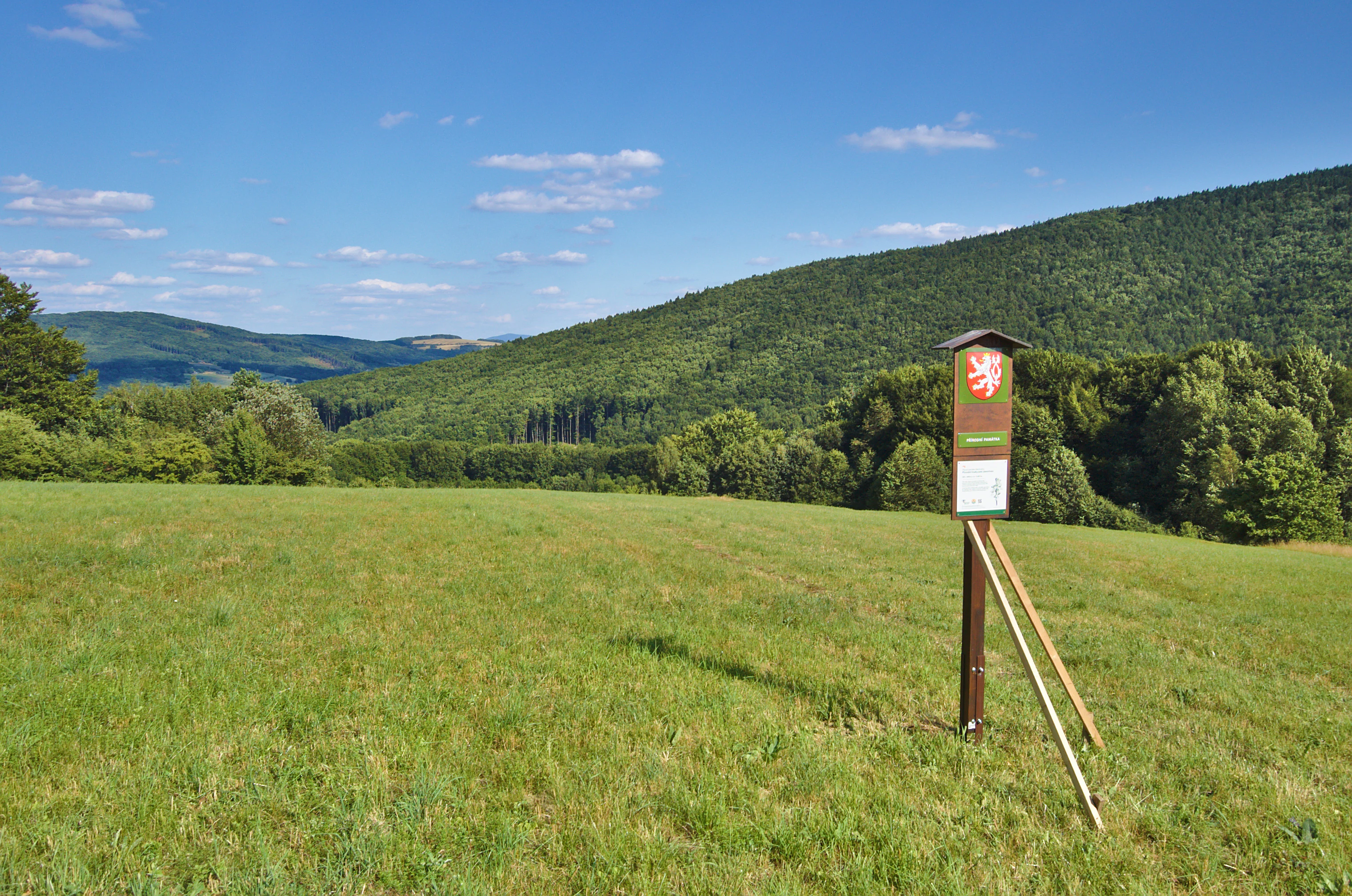
A green meadow stretches toward a forested hillside under a clear blue sky; an upright wooden information sign with a national emblem is placed in the foreground.
Information signage at the Mechnáčky natural monument in the Czech Republic.

Top sights and standout views in Mechnáčky Natural Monument

Mechnáčky stands out as a compact but exceptionally diverse showcase of White Carpathian seminatural meadow ecology. Its orchid-rich flora, mosaic of dry grassland and spring-fed habitats, and rich invertebrate communities make it one of the most concentrated examples of Carpathian meadow biodiversity still surviving in the Czech Republic.

Equally notable is the reserve's role as a working example of grassland conservation under pressure. Its long management history, from 1970s agricultural disruption through active restoration and ongoing annual mowing, illustrates both the fragility and the recoverability of these traditional meadow systems, making it a valuable reference site for understanding the future of Carpathian grassland conservation.
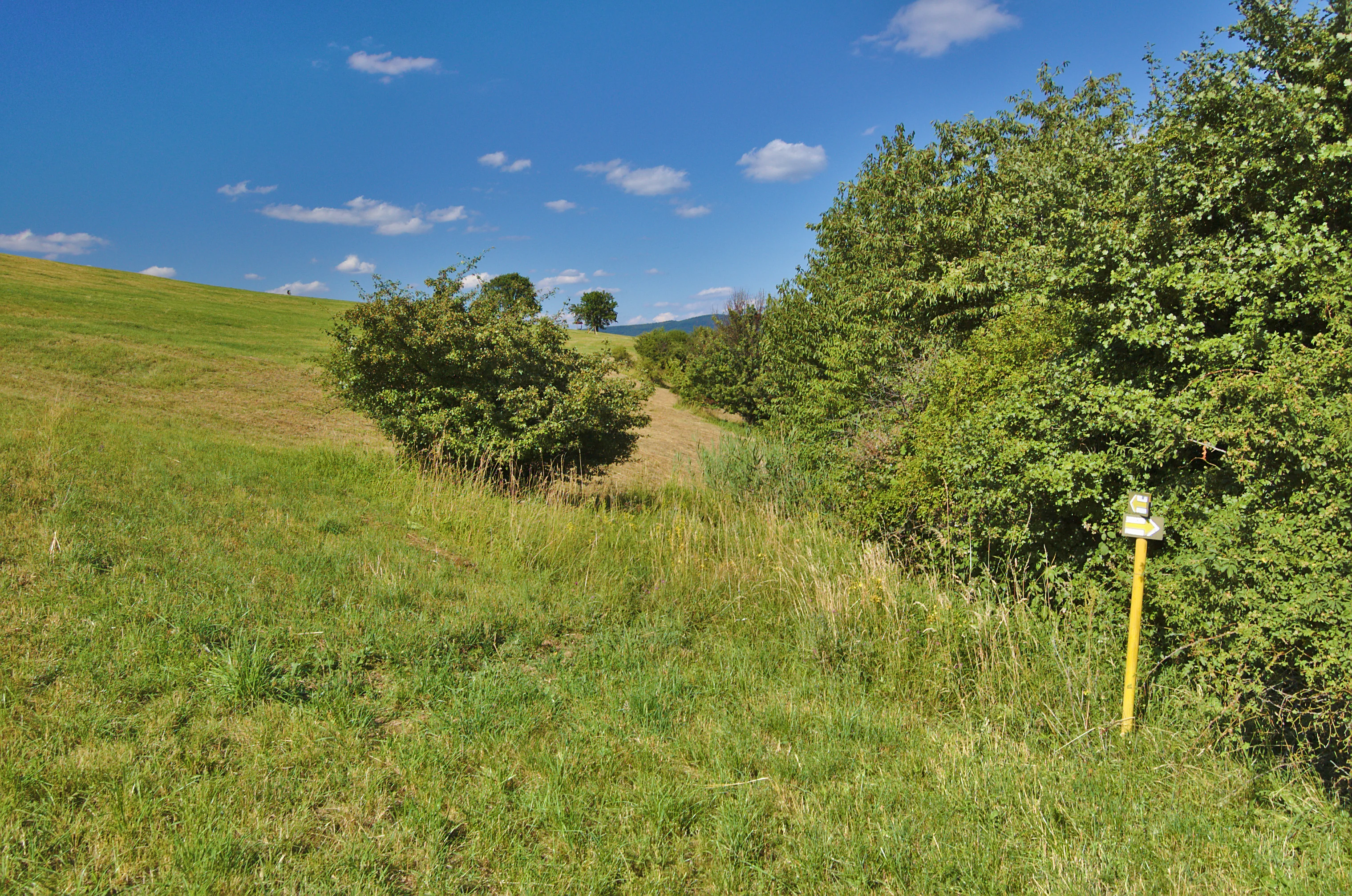
A grassy meadow landscape in summer with rolling hills, scattered bushes, and a yellow trail marker post on the right.
A summer view of the Mechnáčky nature reserve in the White Carpathians.

Best time to visit Mechnáčky Natural Monument

The meadows of Mechnáčky are most appealing for visitors in late spring and early summer, when the majority of its orchid species and other characteristic meadow plants come into flower and the grasslands display their full botanical richness. Summer visits offer the warmest experience of the open meadow landscape and the chance to observe typical grassland butterflies and other insects.

In autumn, the surrounding beech groves and the broader White Carpathian landscape take on a quieter, more subdued character, while still offering access to the reserve via marked tourist trails. Because Mechnáčky is a small, ecologically sensitive site with annual mowing management, visitors generally experience it as a short, tranquil walk through flower-rich grassland rather than a destination of large-scale visitor infrastructure.

Monthly climate preview

Long-term temperature and precipitation averages across twelve recorded months for Mechnáčky

Mechnáčky Climate Normals and Annual Weather Rhythm

Representative coordinates record sustained temperature shifts and measured precipitation totals throughout the year at Mechnáčky. Detailed monthly climate normals provide structured baseline data for analyzing long-term environmental patterns across the park.
Annual mean9 °C
-3 °C20 °C
Jan-3°
Feb-1°
Mar
Apr
May14°
Jun18°
Jul20°
Aug20°
Sep15°
Oct
Nov
Dec-2°
Warmest month
July

20.3 °C

Coolest month
January

-3.4 °C

Wettest month
July

2.6 mm/day

Driest month
February

1.3 mm/day

Park location guide

Geography guide, regional context, and park location map for Mechnáčky Natural Monument

Mechnáčky Natural Monument park geography, regions, and map view in Czechia

Understand where Mechnáčky Natural Monument sits in Czechia through a broader geographic reading of the surrounding landscape, nearby location context, and its mapped position within the national park landscape.

How Mechnáčky Natural Monument fits into Czechia

Czech Republic is a landlocked Central European country with a population of approximately 10.9 million people. The nation was established as an independent state on January 1, 1993, following the dissolution of Czechoslovakia. Its capital and largest city is Prague, with other major urban centers including Brno, Ostrava, Plzeň, and Liberec.

Wider geography shaping Mechnáčky Natural Monument in Czechia

The Czech Republic is a landlocked country in Central Europe. It is bordered by Germany to the west, Austria to the south, Poland to the northeast, and Slovakia to the southeast. The landscape is predominantly hilly, with the territory covering 78,871 square kilometers.

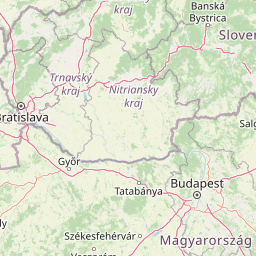
Map view of Mechnáčky Natural Monument

Use this park location map to pinpoint Mechnáčky Natural Monument in Czechia, understand its exact geographic position, and read its mapped placement within the surrounding landscape more clearly.

Pigeon | © OpenStreetMap contributors

Location context for Mechnáčky Natural Monument

Zlín Region

Explore protected area views, rolling flysch terrain, and orchid-rich grassland habitats.

Mechnáčky Photos and Landscape Scenery: Visualizing Carpathian Meadows

Visual records capture the dissected valley slopes, calcareous soils, and flower-rich seminatural meadows defining Mechnáčky. Detailed imagery reveals the complex mosaic of dry grassland habitats and spring-fed microenvironments preserved within the White Carpathians.

A wide, sunny landscape shot showing a green grassy meadow in the foreground leading into a series of rolling, forested hills under a blue sky with light clouds.

A bright green European tree frog rests on a bare, thin brown branch against a dark blurred background.

A landscape view showing grassy meadow slopes and patches of deciduous forest under a blue sky.

A nature reserve sign with a red shield emblem featuring a double-tailed lion sits on a wooden post in a grassy field, with forested hills in the background.

A sunny landscape view of a grassy meadow sloping down toward forested hills under a blue sky with scattered clouds.

A green meadow with tall grasses and a wooden rail fence in the foreground, backed by lush forested hills under a blue sky.

A green meadow stretches toward a forested hillside under a clear blue sky; an upright wooden information sign with a national emblem is placed in the foreground.

A grassy meadow landscape in summer with rolling hills, scattered bushes, and a yellow trail marker post on the right.

A wide, panoramic landscape view of rolling green meadows with clusters of trees and a forested hillside in the background under a blue sky with light clouds.

A wide, sunny landscape view of a mown grassy meadow with scattered trees and shrubs, rolling hills in the background, and a bright blue sky with scattered clouds.

A wide view of a grassy meadow leading toward a forest edge and misty green mountains under a cloudy sky.

Park atlas

Compare nearby regional reserves and connected protected landscapes.

Exploring Parks Near Mechnáčky and Surrounding Carpathian Protected Areas

Browse neighboring protected areas and regional reserves located within the surrounding White Carpathian mountain terrain. Continuing onward from Mechnáčky enables broader geographical comparison across similar wildflower meadows and calcareous grassland habitats.
Natural monumentJihomoravský kraj
About 14 km away#1 closest

West

Velický hliník Natural Monument: A Case Study in Carpathian Landscape Restoration

Analyzing the geography of South Moravian protected clay habitats

Deep dive into the geomorphology and protected landscape of Velický hliník in the Czech Republic. This site of community importance demonstrates how former clay extraction zones transform into complex wetland mosaics, supporting specialized biodiversity within the Žalustín Highlands.

Area
0.053 km²
Established
2013
IUCN
IV
Relief
Upland
Natural monumentJihomoravský kraj
About 16 km away#2 closest

Northwest

Miliovy louky Natural Monument: South Moravia Protected Grassland Geography

Mapping the xerothermic steppe and meadow landscape

Miliovy louky is a protected natural monument located in the Jihomoravský kraj region, noted for its surviving patch of semi-natural dry steppe vegetation. This compact reserve offers a distinct look at the region's historical open terrain, providing a critical haven for dryland flora and butterfly species amidst a backdrop of managed agricultural farmland.

Area
0.084 km²
Established
2014
IUCN
IV
Relief
Upland
A wide, panoramic watercolor illustration showing a calm wetland scene with green reeds in the foreground, a body of water, and a line of trees and hills in the background under a pale sky, with a faded grey area at the bottom.
Natural monumentJihomoravský kraj
About 29 km away#3 closest

West

Vypálenky Natural Monument: Protected Wetland Geography and Regional Map Context

Lowland floodplain habitat in the South Moravian region

The Vypálenky Natural Monument protects sixty-five hectares of essential floodplain habitat within the Morava River valley. This wetland landscape, defined by its flat terrain and groundwater-fed pools, supports significant communities of rare invertebrates and amphibians, anchoring a larger ecological corridor within the Bzenecká Doubrava and Strážnické Pomoraví protected network.

Area
0.653 km²
Established
2014
IUCN
IV
Relief
Lowland
Natural monumentZlín Region
About 30 km away#4 closest

North

Uhliska Natural Monument: Protected Stream Valley Geography and Moravian Habitats

A diverse protected wetland and meadow mosaic in the Zlín Region.

The Uhliska natural monument protects a narrow, meandering valley corridor along the Černý potok stream in eastern Moravia. This high-value habitat mosaic features wet Cirsium meadows, broad-leaved dry grasslands, and ash alder gallery forests. The site provides a critical refuge for protected butterflies of European importance, serving as an exemplary model of small-scale landscape conservation in the Zlín Region.

Area
0.143 km²
Established
1991
IUCN
IV
Relief
Upland
Natural monumentJihomoravský kraj
About 31 km away#5 closest

West

Vojenské cvičiště Bzenec Natural Monument in Jihomoravský kraj: A Protected Sand-Dune Habitat

Mapped protected areas and sandy steppe geography in the South Moravian Region

Vojenské cvičiště Bzenec preserves an unusual open sandy landscape formed by aeolian processes, now serving as a critical refuge for rare insects and dry-grassland plants. Its distinct geography of low dunes and scattered pine groves provides a vital example of steppe-like habitat conservation in South Moravia, highlighting the ecological value of former military lands.

Area
0.368 km²
Established
1994
IUCN
IV
Relief
Lowland
Protected landscapeZlín District
About 34 km away#6 closest

North

Želechovické paseky Protected Landscape: Map and Regional Geography in Zlín District

Carpathian foothill terrain and mosaic meadow landscapes

An extensive protected area near Zlín, Želechovické paseky features a blend of traditional forest clearing, hillside meadows, and stream valleys. This mapped landscape demonstrates the continuity of the Moravian Carpathian foothills, providing a distinct look at historical land use patterns and natural ecological corridors.

Area
10.479 km²
Relief
Upland
Climate
Temperate
Scope
Terrestrial
A watercolor painting depicting a wide, soft-toned landscape with rolling green hills, a cluster of trees on a small rise, and forested areas in the background.
Natural monumentZlínský kraj
About 35 km away#7 closest

North

Na želechovických pasekách Natural Monument: Geographic Context and Botanical Protected Area

Located in Zlínský kraj, eastern Moravia, Czech Republic.

Na želechovických pasekách represents a significant protected area within the Czech Republic. This small natural monument safeguards light-rich deciduous woodland slopes and serves as the sole known site for specific local flora. Explore the mapped terrain and environmental boundaries of this unique botanical site nested within the broader Vizovické vrchy natural park landscape.

Area
0.011 km²
Established
1949
IUCN
IV
Relief
Upland
Watercolor illustration of a lush, green landscape featuring rolling hills and grassy meadows under a pale sky.
Nature reserveZlín District
About 37 km away#8 closest

North

Na letišti Nature Reserve: Mapped Floodplain Landscapes in the Zlín District

A rare oxbow wetland refuge in Eastern Czechia

Located in the Zlín District, Na letišti is a protected natural monument formed from a regulated meander of the Morava River. This site functions as an isolated aquatic refuge, featuring a rich community of beetles and wetland flora that define the character of this lowland floodplain landscape within the Czech Republic.

Area
0.027 km²
Established
1956
IUCN
IV
Relief
Lowland

Common questions about visiting, size, designation, and location context for Mechnáčky Natural Monument

Mechnáčky Natural Monument FAQs for park facts, access, geography, and protected area context

Find quick answers about Mechnáčky Natural Monument, including protected-area facts, park geography, trail and visitor context, and how the park fits into its surrounding country and regional landscape.
MoriAtlas Explorer

Continue Your Protected Areas Search Across the Global Atlas

Deepen your exploration by continuing the structured search for national parks and protected areas worldwide. Utilize the comprehensive filtering capabilities to compare different conservation landscapes and refine your understanding of global park geography. Discover more about the distribution and characteristics of protected natural areas.

Global natural geography