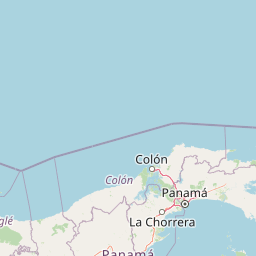
Why Metropolitan Natural Park stands out
Metropolitan Natural Park is best known as Panama City's only wildlife refuge, offering a rare opportunity to experience tropical rainforest ecosystems within an urban setting. The park protects one of the last remaining tracts of Pacific tropical dry forest in Panama, an ecosystem that has been largely eliminated from the country. Its remarkable biodiversity includes nearly 230 bird species, making it a significant destination for birdwatching. The park also features nature trails that traverse forests, offer panoramic views of the capital skyline, and provide access to the Panama Canal watershed area.
Metropolitan Natural Park history and protected-area timeline
The establishment of Metropolitan Natural Park emerged from a multi-year process recognizing the need for environmental protection near Panama City's urban core. Initial conservation discussions began in 1974, focusing on the optimal use of land in the area adjacent to the Panama Canal. By 1983, the territory received its first formal protection status as the Curundú Recreational Area, acknowledging its recreational and ecological value. The critical转折 point came in 1975 when President Jorge Illueca toured the area and subsequently approved a proposal for creating a dedicated metropolitan natural park. This proposal, designated as PNM3, laid the groundwork for formal protection. The park was ultimately created through Law No. 8 of July 5, 1985, and officially opened on June 5, 1988, becoming Panama City's primary natural protected area within its urban boundaries.
Metropolitan Natural Park landscape and geographic character
Metropolitan Natural Park features terrain characteristic of the Panamanian isthmus, situated along the watershed that feeds into the Panama Canal. The park's 265 hectares encompass rolling terrain typical of Pacific slope forests, with elevation changes that create diverse microhabitats throughout the protected area. Despite its urban location, the park maintains a natural landscape dominated by tropical dry forest vegetation. Nature trails wind through the forest, offering visitors views of both the natural environment and panoramic perspectives of Panama City's skyline. The landscape represents a rare preserved remnant of the Pacific-side tropical dry forest that historically covered much of the region before urban expansion transformed the surrounding areas.
Metropolitan Natural Park ecosystems, habitats, and plant life
The park protects a critically important tropical dry forest ecosystem of the Pacific region, an environment that has nearly disappeared from other parts of Panama due to agricultural conversion and urban development. Approximately 75% of the park's area is covered by this tropical dry forest type, representing one of the most significant remaining examples of this ecosystem in the country. The forest supports a rich plant community of approximately 284 species, including diverse trees, climbing vines, epiphytes, orchids, and mosses. The park's location within the Panama Canal watershed adds ecological significance, as it helps protect water quality and provides ecosystem services to one of the world's most important maritime corridors. The proximity to urban development makes the preservation of this ecological island particularly valuable for maintaining biodiversity within the metropolitan area.
Metropolitan Natural Park wildlife and species highlights
Metropolitan Natural Park supports remarkably diverse wildlife despite its urban setting, with the park recording 227 bird species, 45 mammal species, 36 snake species, and 14 amphibian species. The bird population includes macaws and numerous other tropical species typical of Panamanian rainforests. Mammals found in the park include monkey species such as marmosets, as well as the ñeque (a type of agouti) and various squirrel species. This biodiversity is particularly notable given the park's location within a major metropolitan area, demonstrating how protected green spaces can maintain significant ecological value even when surrounded by urban development. The wildlife community benefits from the park's forest habitat, which provides food sources, shelter, and movement corridors within the urban landscape.
Metropolitan Natural Park conservation status and protection priorities
Metropolitan Natural Park represents an important urban conservation achievement, protecting the last significant tracts of Pacific tropical dry forest within the Panama City metropolitan area. The park's designation as the only wildlife refuge within the capital underscores its unique conservation value in a rapidly urbanizing region. By protecting an ecosystem that has nearly vanished from other parts of the country, the park serves as a living archive of Panama's original Pacific forest flora and fauna. The protected area also contributes to the broader Panama Canal watershed management framework, helping maintain ecological functions that support the canal's operations. This urban protected area demonstrates how conservation can be integrated with metropolitan development, providing wildlife habitat, ecosystem services, and environmental education opportunities within a major city.
Metropolitan Natural Park cultural meaning and human context
While Metropolitan Natural Park is primarily an ecological preserve, it occupies land within the Ancón corregimiento, an area with historical significance in Panama's development. The park's establishment reflected growing environmental awareness in Panama during the 1970s and 1980s, a period when the country began systematically addressing conservation needs alongside economic development associated with the Panama Canal. The park provides environmental education opportunities for Panama City's population, allowing residents to experience native ecosystems without traveling to more distant protected areas. This access to natural environments within the city carries cultural value, particularly as urban development continues to transform the Panamanian landscape.
Top sights and standout views in Metropolitan Natural Park
Metropolitan Natural Park offers visitors a unique combination of accessible wilderness within a major capital city. The park's trail network provides opportunities to observe tropical dry forest ecosystems, spot diverse bird species, and enjoy panoramic views of Panama City's skyline. As the only wildlife refuge in Panama City, it serves a distinctive role in the nation's protected area system, demonstrating how urban conservation can preserve significant biodiversity. The nearly 230 bird species recorded within the park make it particularly valuable for birdwatching enthusiasts. The park's location along Juan Pablo II Avenue makes it easily accessible while maintaining its protected status.
Best time to visit Metropolitan Natural Park
The park can be visited year-round, though the dry season from December through April typically offers more comfortable conditions for trail exploration. During the wet season, trails may be muddier and some routes could be more challenging, though the forest appears lusher and waterfalls may be more active. Early morning visits generally offer the best wildlife viewing opportunities, particularly for birdwatching when forest birds are most active. The dry season corresponds with Panama's peak tourist season, so visitors seeking quieter park experiences might consider weekday mornings. Regardless of season, the park provides a meaningful nature experience that showcases Panama's tropical ecosystems within an urban context.