Why Mokala National Park stands out
Mokala National Park is best known as a conservation sanctuary for endangered large mammals, particularly rhinoceros species and roan antelope. The park's distinctive landscape combines flat, sandy Kalahari terrain dotted with iconic camel thorn trees and umbrella thorns, contrasting with rocky Nama Karoo outcrops of lava, calcrete, and shale. The transition zone between these two major biomes creates a unique ecological environment supporting species from both ecosystems. The park is also notable for its high bird endemism, with species like the black-chested prinia thriving in the arid conditions, and for the dramatic contrast between the open savanna plains and the rugged rocky sections that characterise different areas of the reserve.
Mokala National Park history and protected-area timeline
The establishment of Mokala National Park followed a complex process of replacement and land acquisition in the Northern Cape. The reserve effectively succeeded Vaalbos National Park, which had been deproclaimed following land claims and the recognition of diamond prospecting rights in the area. In 1998, SANParks initiated a systematic study examining five potential locations to identify the most suitable replacement area. The Wintershoek property was ultimately selected, comprising approximately 19,611 hectares of land that would become Mokala. The land purchase was completed in 2005, and conservation planners began developing programs for the reintroduction of wildlife. The first animals, a group of five giraffes, were released into the reserve in June 2006, marking the beginning of the wildlife restoration program. Exactly one year later, on 19 June 2007, the park was officially proclaimed as a national park. The broader region carries significant historical weight beyond its role as a protected area. The area surrounding Mokala contains numerous San rock engravings, evidence of the long human presence in this landscape. Additionally, the region was the scene of significant military activity during the Second Boer War, with the nearby battlefield of Belmont representing one of the early engagements of that conflict.
Mokala National Park landscape and geographic character
The physical landscape of Mokala National Park is defined by the convergence of two major southern African biomes, creating a visually diverse terrain within a relatively compact protected area. The northern and western portions of the park exemplify Kalahari savanna characteristics, featuring flat, sandy terrain punctuated by stands of camel thorn trees (Vachellia erioloba), the iconic species for which the park is named. These areas also contain umbrella thorn trees (Vachellia tortilis), puzzle bushes (Ehretia rigida), and the distinctive communal nests of sociable weaver birds built within the larger trees. The southern region, closest to the main entrance, presents a more plains-like character with isolated camel thorn specimens and patches of taller grasses. Moving toward the central areas, the landscape transitions to more typically Karoo-like conditions. Here, long ridges of rocky outcrops rise from the surrounding terrain, composed of volcanic lava, calcrete, and shale formations. These rock formations alternate with flatter areas covered in grass and scrub vegetation. The base and lower slopes of the outcrops benefit from additional water runoff, supporting more lush vegetation than the surrounding areas. The Riet River flows along the eastern boundary of the park near Lilydale Lodge, providing an important water source and contrasting landscape element.
Mokala National Park ecosystems, habitats, and plant life
The ecological character of Mokala National Park is defined by its position at the interface of two distinct biomes, creating a unique transitional environment. The Kalahari savanna portions support characteristic vegetation adapted to sandy, nutrient-poor soils and highly variable rainfall. The camel thorn dominates these areas, with its deep root system allowing access to groundwater reserves. The Nama Karoo sections feature more sparse vegetation suited to rocky substrates and the more extreme temperature fluctuations of the arid interior. This biome mixing results in a surprisingly diverse plant community for an arid region, with species from both ecosystems coexisting. The park's location in the Northern Cape places it within a climate zone receiving only 300 to 500 millimetres of annual rainfall on average, with evaporation consistently exceeding precipitation. Despite these challenging conditions, the area supports functioning ecosystems and serves as important habitat for species adapted to semi-desert conditions. The diversity of habitats, from open savanna plains to rocky outcrop zones, creates micro-environments that support different plant assemblages and the wildlife that depends on them.
Mokala National Park wildlife and species highlights
Mokala National Park was established with the explicit primary purpose of protecting endangered species, making wildlife conservation central to the park's identity. The reserve is home to several threatened large mammal species, including Cape buffalo, black rhinoceros, and southern white rhinoceros, alongside the roan antelope, which is considered a priority conservation species. The mammal community reflects the transitional nature of the park, combining Kalahari-adapted species like gemsbok, springbok, and giraffe with animals more typical of the Karoo environment. Beyond the large mammals, the park supports a diverse community of smaller species including aardvark, various rodent species, and the distinctive suricate (meerkat). Predator species include brown hyena and black-backed jackal, while the bird list demonstrates notable endemism with species like the black-chested prinia thriving in the arid conditions. The birding opportunities are particularly noteworthy in summer when dawn hours between 07h30 and 09h00 offer the best viewing opportunities. While mosquitoes are present during summer months, the park is classified as a malaria-free zone, making it a safer option for visitors concerned about tropical diseases.
Mokala National Park conservation status and protection priorities
The conservation significance of Mokala National Park derives from its role as a protected area in South Africa's arid interior, where semi-desert conditions create challenging environments for wildlife. The park was specifically established to provide habitat for endangered species, with Cape buffalo, black rhino, and roan antelope representing the priority species for conservation attention. The transitional nature of the landscape, bridging Kalahari and Nama Karoo ecosystems, adds ecological value by protecting a habitat gradient that might otherwise be lost to development. The park's establishment as a replacement for Vaalbos National Park also demonstrates SANParks' commitment to maintaining protected area coverage in the Northern Cape despite competing land uses. The region's high level of bird endemism, particularly in the Kalahari sandveld habitats, further elevates the conservation importance of the area, especially during periods of higher rainfall when these habitats support increased bird diversity.
Mokala National Park cultural meaning and human context
The landscape surrounding Mokala National Park carries deep human heritage spanning thousands of years. The Northern Cape contains some of the most significant concentrations of San rock art in southern Africa, and the Mokala region is no exception, with numerous San rock engravings found throughout the area. These artistic works represent the spiritual and cultural practices of the indigenous San people who inhabited this landscape long before European colonisation. More recent history is marked by the Second Boer War, which swept through the Northern Cape in 1899-1902. The nearby battlefield of Belmont saw significant combat during the early stages of the war, and the broader region contains traces of this turbulent period. The Setswana language provides the name for the park itself, with Mokala being the Tswana word for the camel thorn tree, reflecting the enduring connection between the landscape and the indigenous peoples who have called this region home.
Top sights and standout views in Mokala National Park
Mokala National Park offers visitors the opportunity to explore a distinctive semi-arid protected area where Kalahari savanna meets Nama Karoo scrubland. The park's endangered species program, focusing on rhinoceros and roan antelope conservation, provides chances to observe these threatened animals in their natural habitat. The landscape itself is a major attraction, from the iconic camel thorn trees of the Kalahari sections to the dramatic rocky outcrops that break the plains. The birding is exceptional, with high endemism and species like black-chested prinia, chestnut-vented warbler, and the charismatic Cape bunting found around the lodges. The cultural dimension adds depth to a visit, with San rock engravings in the area and proximity to Second Boer War battlefields. Accommodation options ranging from lodges with waterhole views to rustic camping sites allow visitors to experience the park's atmosphere across different levels of comfort.
Best time to visit Mokala National Park
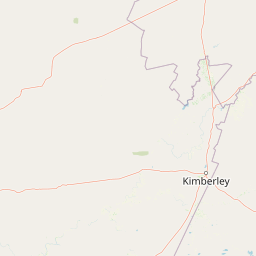
The Northern Cape experiences extreme seasonal variation in temperature, and understanding this pattern helps visitors plan appropriate trips. Summer months from December to February bring hot conditions with daytime temperatures typically ranging from 33 to 36 degrees Celsius, and occasional spikes above 40 degrees. These months coincide with the rainy season in central and eastern areas, bringing dramatic thunderstorms that can transform the landscape temporarily. For wildlife viewing, the hotter months also mean animals concentrate more heavily around waterholes, potentially improving sighting opportunities. Winter months from June to August offer more moderate daytime temperatures around 22 degrees Celsius, though nights can dip below freezing. The winter period brings rainfall primarily to western portions of the region. The birding is reportedly best during summer months, particularly in the early morning hours around sunrise when species are most active. Visitors should note that the park is not yet well-signposted, requiring careful navigation from Kimberley along the N12 highway toward Hopetown.