Why Molino de Flores Nezahualcóyotl National Park stands out
The park is best known for its atmospheric colonial hacienda ruins and the distinctive Chapel of Señor de la Presa, which is built into a natural rockface. The site holds religious significance according to tradition, as the chapel was named for an apparition of Christ that reportedly occurred on the rocks bordering the Cuxcahuaco stream. The hacienda's unique architectural character and preserved state have made it a frequently used filming location for both Mexican and international films.
Molino de Flores Nezahualcóyotl National Park history and protected-area timeline
The history of Molino de Flores traces to the colonial era when the property was established as a functioning hacienda producing pulque, a traditional Mexican alcoholic beverage, as well as various grain crops. The core buildings on the site, including the main residence and the religious structures, were constructed under the direction of Miguel de Cervantes and his wife. The Chapel of Señor de la Presa holds particular historical and religious significance, named according to tradition for an apparition of Christ that allegedly appeared on the rocks along the Cuxcahuaco stream that passes through the property. The hacienda reached its period of greatest prosperity and productivity during the late 19th and early 20th centuries. Following the Mexican Revolution, the estate experienced decline and abandonment, leading to deterioration of the buildings. In 1937, President Lázaro Cárdenas declared the property a national park, recognizing its historical and cultural value. The site's distinctive architectural character, combining colonial design with its natural setting, has resulted in its use as a filming location for numerous Mexican and foreign productions.
Molino de Flores Nezahualcóyotl National Park landscape and geographic character
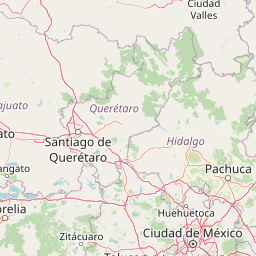
The park is situated in the transitional landscape between the urbanized Valley of Mexico and the surrounding volcanic highland terrain. The property encompasses the historic hacienda complex set within gently rolling hills characteristic of the eastern State of Mexico. Natural water features including the Cuxcahuaco stream traverse the property, providing moisture that historically supported agricultural production. The landscape around the built structures includes areas of former cultivated land that now form part of the protected park territory. The rock formation at the Chapel of Señor de la Presa represents a notable geological feature within the park, with the chapel constructed directly into the natural cliff face in a style that echoes pre-Hispanic architectural traditions seen at sites like Malinalco.
Molino de Flores Nezahualcóyotl National Park ecosystems, habitats, and plant life
The park's natural environment reflects the modified agricultural landscape of the Valley of Mexico region, characterized by temperate conditions and historically extensive cultivation. The presence of the Cuxcahuaco stream and associated moisture zones supports riparian vegetation along the watercourse. The surrounding lands, once part of the hacienda's agricultural operations, now exist in a semi-natural state that reflects both historical land use and subsequent ecological succession. While not primarily designated for biodiversity protection, the park provides habitat for common bird species and small wildlife typical of the central Mexican highland environment.
Molino de Flores Nezahualcóyotl National Park wildlife and species highlights
Wildlife presence within the park reflects the temperate agricultural and semi-urban landscape of the State of Mexico region. Common bird species found in the area include various passerines adapted to modified habitats, while small mammals such as rodents and rabbits inhabit the surrounding terrain. The riparian zone along the Cuxcahuaco stream provides habitat for waterfowl and other bird species associated with wetland edges. The park's proximity to both agricultural lands and natural areas supports a moderate diversity of species typical of central Mexican foothills.
Molino de Flores Nezahualcóyotl National Park conservation status and protection priorities
Molino de Flores Nezahualcóyotl was established as a national park primarily to protect its significant colonial architectural heritage rather than specific ecological values. The 1937 designation by President Lázaro Cárdenas reflected Mexico's emerging approach to preserving sites of combined historical and natural significance. The park represents one of the earlier examples of heritage conservation within Mexico's protected area system, recognizing that cultural landscapes warrant protection alongside pristine natural environments. Ongoing conservation efforts focus on maintaining the structural integrity of the historic buildings while allowing public access to appreciate the site's cultural and historical value.
Molino de Flores Nezahualcóyotl National Park cultural meaning and human context
The park is deeply connected to the colonial history of the State of Mexico and the broader Valley of Mexico region. The hacienda system represented a key institution in colonial-era agriculture, and Molino de Flores exemplifies this economic and social structure through its production of pulque and grains. The religious architecture on site, particularly the Church of San Joaquin and the rock-cut Chapel of Señor de la Presa, reflects the fusion of Catholic institutional presence with local traditions and natural settings. The naming of the chapel after a reported Christ apparition demonstrates the religious significance the site held for local communities. The subsequent use of the hacienda as a film set has created an additional layer of cultural association, with the atmospheric ruins serving as a backdrop for Mexican cinema.
Top sights and standout views in Molino de Flores Nezahualcóyotl National Park
The historic hacienda ruins, including the Church of San Joaquin and the rock-built Chapel of Señor de la Presa; the colonial architectural character that has made the site a popular filming location; the traditional pulque-producing estate with roots in the colonial period; the scenic setting in the eastern Valley of Mexico near Texcoco; and the 1937 presidential declaration establishing the protected area. The park offers a distinctive combination of cultural heritage and natural setting that distinguishes it from Mexico's primarily ecological national parks.
Best time to visit Molino de Flores Nezahualcóyotl National Park
The park can be visited year-round given its location in the temperate climate of central Mexico. The dry season from November through April generally offers more comfortable conditions for exploring the outdoor site, with lower chances of rainfall affecting visibility or access to outdoor areas. The spring months often bring favorable conditions with mild temperatures, though the summer rainy season from June through September can add visual interest to the landscape with lush vegetation along the stream and surrounding areas. Visitors interested in the film heritage of the site may find the dry season more suitable for extended exploration of the grounds.