Why Mombasa Marine Park stands out
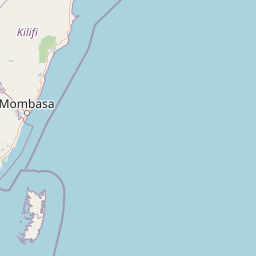
Mombasa Marine Park is best known for its accessible and well-developed coral reef system along Kenya's coastline. The park offers exceptional snorkeling and scuba diving opportunities in relatively shallow waters teeming with marine life. Beyond its underwater attractions, the park serves as a crucial habitat for sea turtles, various coral species, and sea grass beds that support broader coastal marine ecosystems. The reserve's combination of protected coral reefs, diverse fish populations, and proximity to Mombasa's tourist infrastructure makes it a flagship destination for marine tourism in East Africa. The area also supports significant birdlife, with the crab plover being a particularly notable migratory species that inhabits the coastal zones.
Mombasa Marine Park history and protected-area timeline
Mombasa Marine Park's formal establishment in 1986 and subsequent legislation in 1987 represented a critical response to mounting environmental pressures on Kenya's coastal marine ecosystems. Prior to protection, the area faced significant threats from overfishing, destructive fishing practices such as coral reef stripping, and growing concern that environmental degradation would undermine the tourism industry that relied on the region's natural attractions. The legislation designated the area as both a National Park and a marine park, reflecting dual objectives of wildlife protection and coral reef preservation. Initial enforcement proved challenging, as fishing and poaching activities continued despite the new legal framework. Recognizing the inadequacy of daytime patrols alone, authorities introduced night-time patrol operations in 1992 to address poaching more effectively. These measures, combined with strengthened legislation to ban fishing within the protected zones, eventually succeeded in achieving full protection by 1994. The evolution from initial designation to effective management demonstrates the ongoing commitment required to maintain marine protected areas and the gradual process of building effective conservation frameworks in practice.
Mombasa Marine Park landscape and geographic character
The landscape of Mombasa Marine Park is defined by its marine environment rather than terrestrial features, encompassing coastal waters, coral reef formations, sandy seabeds, and sea grass beds that create a diverse underwater topography. The park's waters lie adjacent to Mombasa's popular beach areas, where the gradual shelving of the continental shelf creates accessible conditions for snorkeling and diving along fringing reef systems. Coral formations create complex three-dimensional structures that support intricate marine ecosystems, while adjacent sandy areas and sea grass meadows provide additional habitat diversity. The underwater terrain varies from relatively shallow reef flats ideal for beginner snorkelers to deeper sections that accommodate more experienced divers. The coastal setting means the park is influenced by typical tropical marine conditions, with warm year-round temperatures and stable salinity supporting continuous coral growth and marine productivity.
Mombasa Marine Park ecosystems, habitats, and plant life
The marine ecosystem within Mombasa Marine Park exemplifies tropical coastal biodiversity along the East African coast. The park's coral reefs support a complex web of marine life, with coral formations including various species of hard and soft corals that create essential habitat structure. Sea grass beds occupy significant portions of the marine floor, particularly in shallower protected areas, and serve as critical feeding and nursery grounds for species including green turtles. The ecosystem supports diverse invertebrate populations including numerous crab species, various sea urchins, starfish, and sea cucumbers that play important roles in nutrient cycling and reef health. Water conditions in the park remain consistently favorable for marine life, with surface temperatures between 25 and 31 degrees Celsius throughout the year, stable salinity regimes, and moderate nutrient levels that support productive but not overly enriched conditions.
Mombasa Marine Park wildlife and species highlights
Mombasa Marine Park protects diverse marine wildlife that depends on its coral reef and sea grass habitats. The park's waters host numerous fish species that inhabit reef structures, along with significant populations of sea turtles that use sea grass areas for feeding. Invertebrate wildlife includes various crab species, multiple sea urchin types, starfish of several species, and sea cucumbers that contribute to the ecosystem's overall health and functioning. The coral formations themselves support countless smaller organisms that form the base of the food web. Beyond marine species, the reserve area provides habitat for migratory birds including the distinctive crab plover, which is particularly associated with coastal environments and mudflats. The combination of reef, sandy, and sea grass habitats creates a mosaic of environments that supports wildlife throughout different stages of their life cycles.
Mombasa Marine Park conservation status and protection priorities
Mombasa Marine Park represents a critical conservation priority for Kenya's marine biodiversity and coastal ecosystem health. The protected area was established specifically to address the devastating impacts of overfishing and destructive coral reef exploitation that threatened both marine life and the tourism economy dependent on healthy reefs. The establishment of both a strictly protected national park zone and a larger reserve zone reflects a recognition that marine ecosystems require different levels of protection based on sensitivity and ecological importance. The transition from initial protection with ongoing violations to full effective protection by 1994 demonstrates the importance of sustained enforcement and adaptive management. The park's coral reefs continue to face challenges from climate change, coastal development, and regional environmental pressures, making ongoing conservation efforts essential for maintaining the biodiversity and ecosystem services the area provides.
Mombasa Marine Park cultural meaning and human context
Mombasa Marine Park exists within a region of significant cultural and historical importance, as Mombasa has served as a major coastal settlement and trading port for centuries. The park's establishment reflects modern recognition of the value of marine ecosystems in a region where coastal communities have historically depended on marine resources for livelihoods and food security. The park's proximity to Mombasa's tourism infrastructure means it exists within a landscape where traditional fishing communities and modern beach tourism coexist, sometimes in tension. Conservation efforts have had to balance the interests of local fishing communities who historically utilized the area with the need to protect marine resources from overexploitation. The park's designation as a marine protected area represents a relatively recent intervention in the long history of human interaction with this coastal marine environment.
Top sights and standout views in Mombasa Marine Park
The standout features of Mombasa Marine Park center on its accessible coral reef ecosystems that allow visitors to directly observe tropical marine life in a relatively convenient location. The park's status as Kenya's most visited marine protected area reflects its combination of natural beauty, biodiversity, and accessibility from Mombasa's tourism infrastructure. Visitors can experience coral reefs through snorkeling in relatively shallow waters or more extensively through scuba diving that reveals the full complexity of reef ecosystems. Beyond underwater attractions, the park provides opportunities for various water sports and boat-based activities that showcase the coastal marine environment. The presence of sea turtles, diverse fish communities, and seasonal bird populations adds to the wildlife viewing opportunities available within the reserve.
Best time to visit Mombasa Marine Park
Mombasa Marine Park can be visited throughout the year due to its tropical location and consistent marine conditions, with water temperatures remaining warm between 25 and 31 degrees Celsius across all seasons. The park's marine environment is characterized by stable conditions, though visitors planning activities should be aware that coastal weather patterns can influence sea conditions and visibility. The most comfortable period for land-based activities tends to coincide with Kenya's drier seasons, though marine conditions for diving and snorkeling remain viable year-round. The park's position near Mombasa means it remains accessible regardless of broader safari circuit seasons, making it a viable addition to Kenya itineraries throughout the year.