
Why Na želechovických pasekách stands out
The site is most notable for harboring the only documented occurrence of Hepatica nobilis (jaterník podléška) in the Zlín District, a small spring-flowering herb of light deciduous woodland. This single-species anchor, combined with a mixture of additional woodland herbs such as Primula veris, Primula elatior, and Lilium martagon, gives the protected area its distinct botanical identity within the local landscape.
Na želechovických pasekách history and protected-area timeline
The site was designated as a přírodní památka on 27 April 1949, placing it among the early wave of small-scale protected areas established in the Czech lands during the post-war restructuring of conservation policy. The protection was, from the outset, oriented toward a specific botanical goal: safeguarding the locality of Hepatica nobilis, a spring-flowering woodland herb documented at this site as the only known occurrence in the Zlín District.
Over the decades, the monument has remained a fixed point in the regional network of protected natural areas of the Zlín Region. While the surrounding landscape has been shaped by agricultural management, forestry patterns, and the gradual development of the Zlín area, the small slope along the Vidovka valley has retained its protected designation because its botanical value continues to justify conservation attention. The site today sits within the broader context of the Vizovické vrchy natural park, which provides additional landscape-level protection around the core botanical locality.
Na želechovických pasekách landscape and geographic character
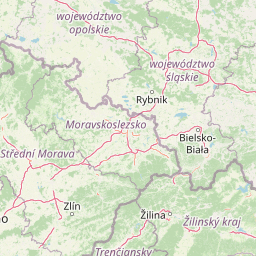
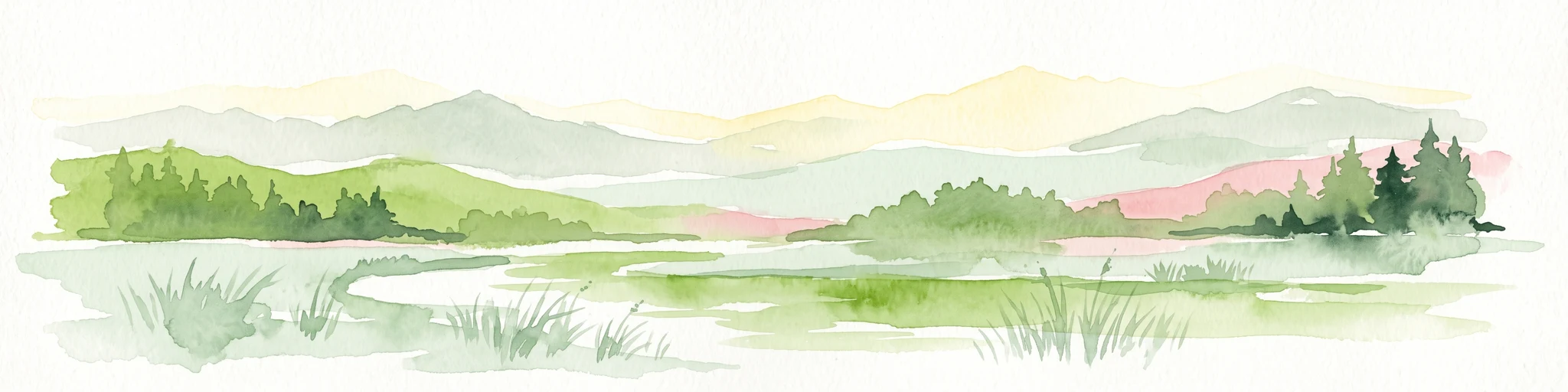
The local landscape is shaped by gently rolling hills and valleys typical of the eastern Moravian uplands east of Zlín. The protected area itself lies on a stony, shrubby, and partly forested slope facing the Vidovka stream valley, about 250 meters east of the road between Želechovice-Obůrky and Provodov. The slope forms the right-hand wall of a small valley carved by the stream, and its position combines thin, well-drained substrates with exposure that favors light-rich vegetation.
In the wider setting, the monument is embedded in the Vizovické vrchy natural park, an area characterized by mixed deciduous woodland, meadow patches, and changes in elevation typical of the Vizovice highlands. The contrast between the steeper valley slope of the protected site and the broader plateau-like ridges around it helps explain the local ecological conditions that sustain the site's characteristic flora. Although the monument is a very small area in absolute terms, it is visually integrated with this larger mosaic of woodland, scrub, and valley terrain.
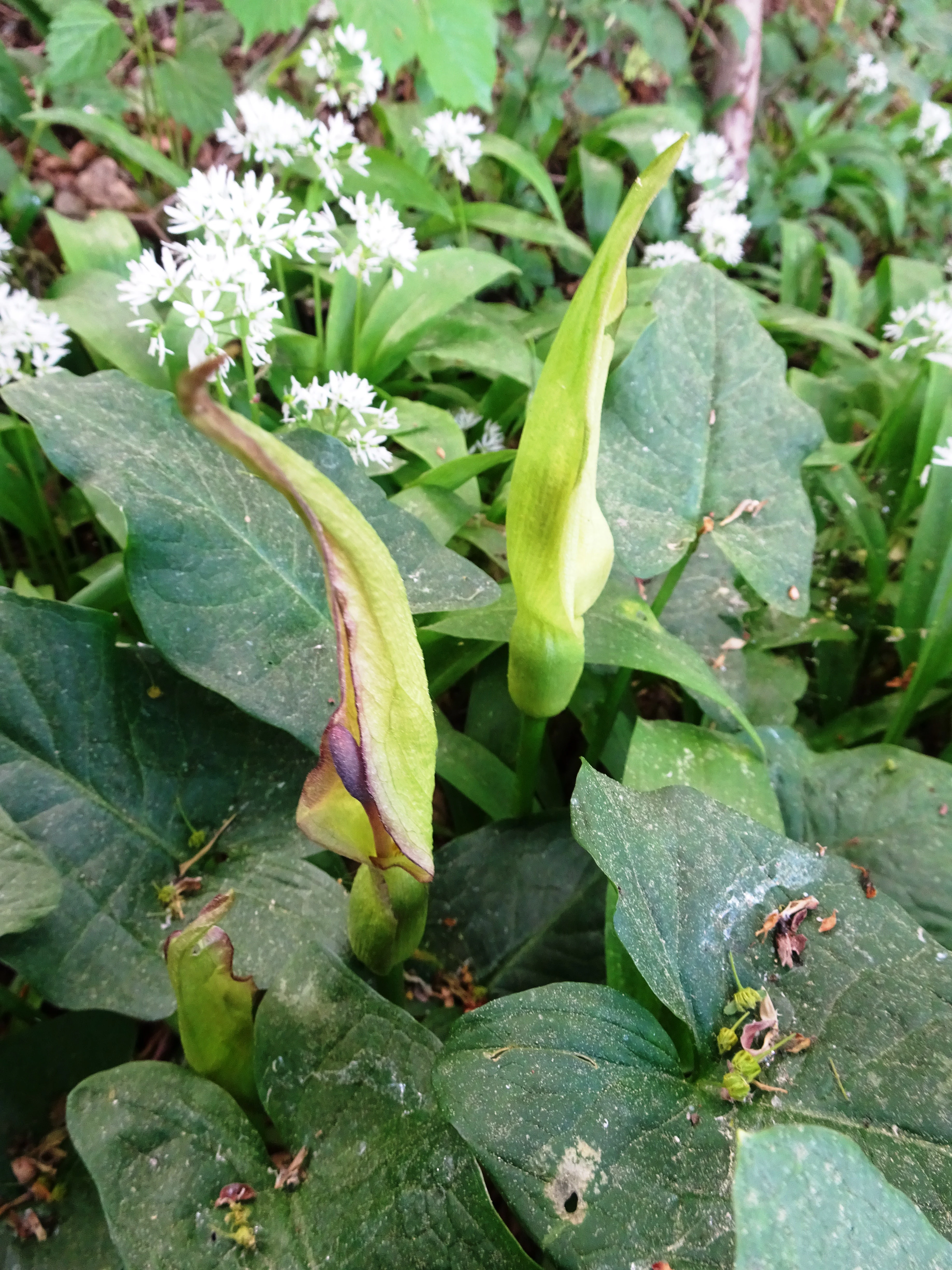
Na želechovických pasekách ecosystems, habitats, and plant life
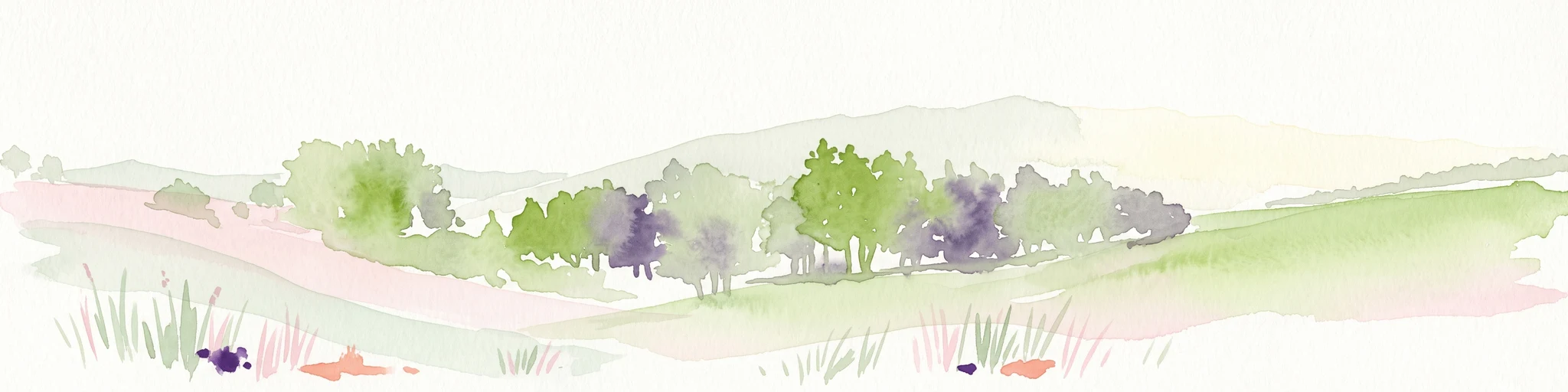
Ecologically, the site represents a fragment of the herb-rich, light deciduous woodland habitat that historically occupied many warm valley slopes in the eastern Moravian uplands. The combination of stony substrate, slope orientation, and partial openness supports a flora typical of such habitats, with an emphasis on spring-flowering woodland herbs rather than dense forest cover.
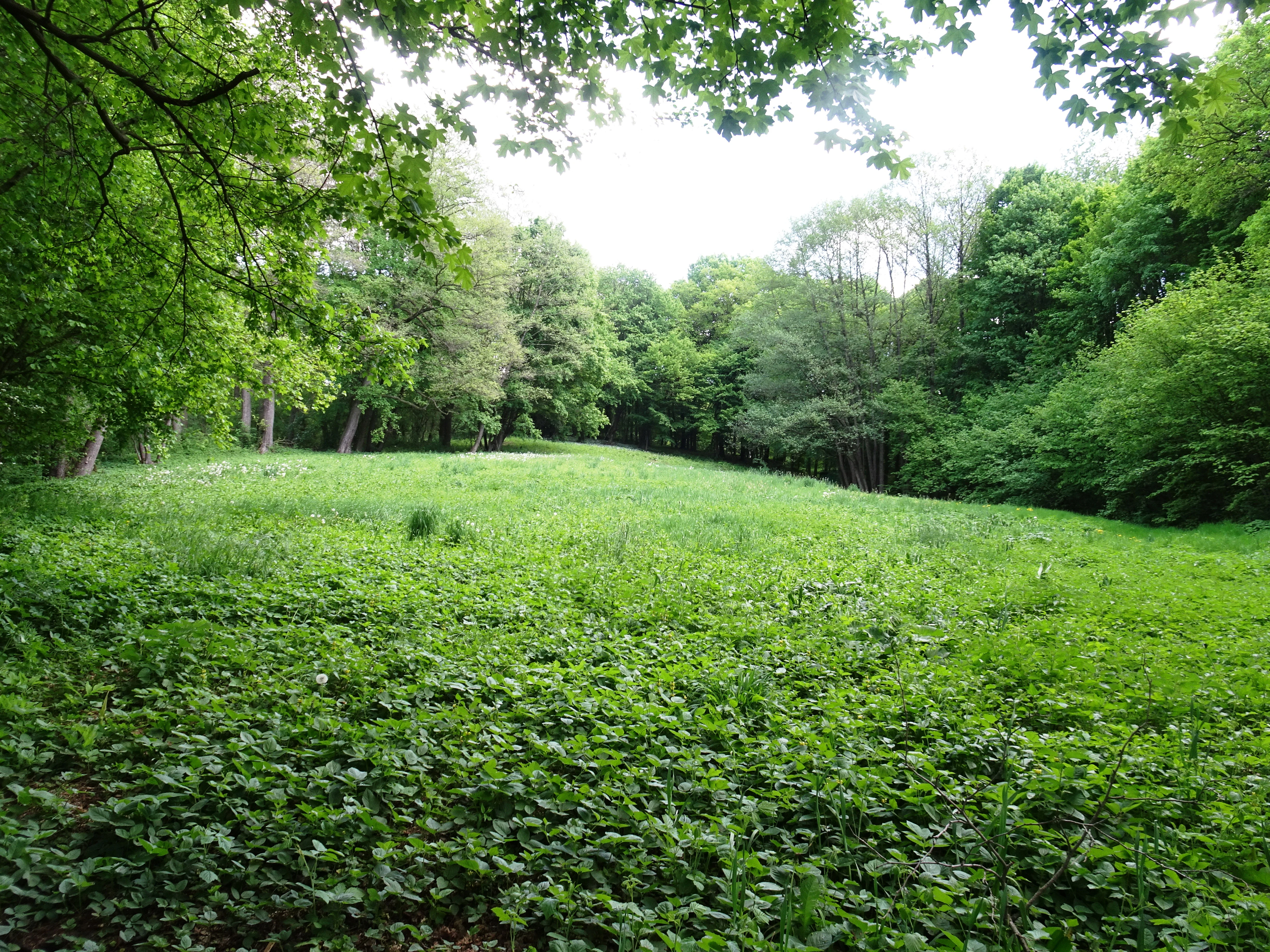
The vegetation mosaic includes stony open ground, shrub patches, and scattered trees, creating transitions between dry grassland-like conditions and more developed broadleaf woodland. This combination produces microhabitats suited both to early-spring bloomers that take advantage of light before the canopy fully leafs out and to woodland species that persist under partial shade. The site's natural value is therefore tied less to its size and more to the persistence of a habitat type that has become increasingly uncommon in the intensively used agricultural and forestry landscapes around Zlín.
Na želechovických pasekách conservation status and protection priorities
The conservation significance of Na želechovických pasekách is rooted in its role as a small but precisely targeted refuge for a regionally rare plant. As a přírodní památka, the site is protected under the Czech Republic's small-scale protected-area framework, with the stated object of protection being the population of Hepatica nobilis, which is recorded as the only known locality in the Zlín District.
Beyond this primary botanical justification, the site's inclusion within the Vizovické vrchy natural park adds a layer of landscape-level conservation. While the přírodní památka designation ensures protection of the core slope, the surrounding natural park framework helps regulate how the broader landscape that connects to and surrounds the site is managed. This combination of narrow botanical protection and broader landscape designation reflects a common Czech conservation approach: pairing highly focused small reserves with wider landscape protections to safeguard both species and the ecological context on which they depend.
Top sights and standout views in Na želechovických pasekách
The protected slope's best-known highlight is its status as the only documented occurrence of Hepatica nobilis in the Zlín District, a botanical fact that gives the site its core conservation rationale. Equally notable is the supporting flora: Primula veris, Primula elatior, and Lilium martagon add layer of regional botanical interest to a site that, despite its very small footprint, holds more botanical density than its modest area would suggest. The site is also a good example of the Czech approach of pairing a small, narrowly justified monument with a broader natural park framework, in this case the Vizovické vrchy natural park.
Best time to visit Na želechovických pasekách
Because the value of the site lies in its spring-flowering woodland herbs, late winter through late spring is the most meaningful period for any visit oriented toward the feature that the protection is intended to safeguard. The early light-rich conditions before full canopy closure are precisely when Hepatica nobilis, the cowslips, oxlips, and martagon lily become most visible. Summer and autumn visits can still offer appreciation of the wider Vizovické vrchy landscape, but the botanical focus described by the protection is an early-season phenomenon.