Why Pampadum Shola National Park stands out
The park is best known for its shola forest ecosystem, a rare and distinctive habitat of the Western Ghats characterized by short, dense evergreen vegetation adapted to the cool, misty conditions of higher elevations. This ecosystem type supports a distinctive suite of plant and animal species found nowhere else on Earth, making the park significant for conservation of Western Ghats endemic biodiversity.
Pampadum Shola National Park history and protected-area timeline
Pampadum Shola National Park was established as a protected area to conserve the shola forest ecosystem of the southern Western Ghats. The formal designation as a national park reflects India's commitment to preserving the unique ecological character of these montane forests, which face pressures from surrounding land use and changing climatic conditions. The park exists within a broader context of conservation efforts in Kerala and across the Western Ghats, where protected area networks have been expanded over decades to safeguard critical biodiversity habitats.
Pampadum Shola National Park landscape and geographic character
The landscape of Pampadum Shola National Park is defined by the rolling, windswept terrain characteristic of high-elevation Western Ghats. The terrain features gentle slopes and rounded hilltops covered in dense shola vegetation. The shola forest appears as a low, canopy often shrouded in mist, creating an atmospheric landscape quite different from the tall rainforest canopies of lower elevations. The terrain is interspersed with grassland patches that form a mosaic with the forest cover, reflecting the dynamic boundary between these two complementary habitat types that define the montane Western Ghats landscape.
Pampadum Shola National Park ecosystems, habitats, and plant life
The shola forest ecosystem within the park represents one of the most distinctive vegetation types of the Western Ghats. These forests are characterized by stunted trees with twisted trunks and branches, dense undergrowth, and a carpet of mosses and ferns that thrive in the perpetual moisture. The vegetation is adapted to withstand strong winds and nutrient-poor soils, resulting in a unique ecological community found only in this region. The forest supports a diversity of plant species, many of which are endemic to the Western Ghats, contributing to the global significance of this montane ecosystem.
Pampadum Shola National Park wildlife and species highlights
The wildlife of Pampadum Shola National Park includes species adapted to the shola forest environment and the broader Western Ghats biodiversity hotspot. The park provides habitat for various endemic bird species and smaller mammals that inhabit the dense forest understory. The shola ecosystem supports specialized species that have evolved to exploit the unique conditions of this high-altitude environment, making the park valuable for conservation of Western Ghats fauna.
Pampadum Shola National Park conservation status and protection priorities
Pampadum Shola National Park contributes to the conservation of the Western Ghats, a global biodiversity hotspot that supports extraordinary endemism across plants, birds, mammals, reptiles, and amphibians. The park's protected status helps safeguard the shola forest ecosystem, which is inherently limited in distribution and vulnerable to environmental changes. Conservation of this small but significant area forms part of a broader strategy to maintain the ecological integrity of the Western Ghats mountain range and the countless species that depend on its diverse habitats.
Pampadum Shola National Park cultural meaning and human context
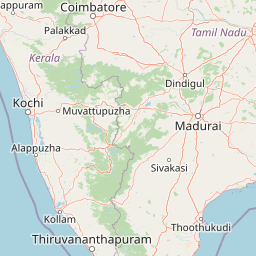
The park is situated in Kerala's interior highland region, an area traditionally inhabited by communities whose lives are intertwined with the forest landscapes of the Western Ghats. The local communities have historically engaged with these montane environments in ways that shaped both their cultural practices and the ecological character of the landscape. The region's identity is deeply connected to the Western Ghats, and the protected areas within Kerala reflect a broader cultural appreciation for the significance of these mountain forests.
Top sights and standout views in Pampadum Shola National Park
The park offers visitors an opportunity to experience the distinctive shola forest environment, one of the Western Ghats' most characteristic and ecologically significant habitats. The misty, windswept forest landscape provides a striking contrast to the lowland rainforests more commonly associated with Kerala's natural heritage. The park's compact size and protected status make it a meaningful site for experiencing the unique ecology of the high Western Ghats.
Best time to visit Pampadum Shola National Park
The optimal period to explore Pampadum Shola National Park coincides with the cooler, drier months when visibility is improved and the shola forest can be more readily appreciated. The post-monsoon season typically offers favorable conditions for wildlife observation and forest exploration, though the ever-present mist remains a defining feature of the park's atmosphere throughout the year.