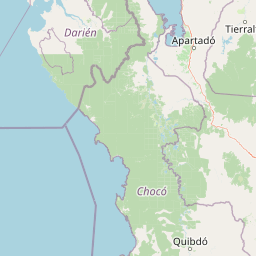
Why Paramillo National Natural Park stands out
Paramillo National Natural Park is best known for protecting the northernmost páramo ecosystems in the Tropical Andes, a rare and ecologically sensitive high-altitude environment characterized by frailejón shrubs, cushion plants, and episodic fog. The park also protects significant populations of the spectacled bear, South America's only native bear species, which inhabits the highland forests and páramo zones. The Paramillo Massif itself is notable for being one of the few places in the world where the paramillo tapaculo survives, a small ground-dwelling bird that has become a conservation flagship for the region. The mountain range is further distinguished by its theoretical visibility over 500 kilometers to the Sierra Nevada de Santa Marta, representing one of Earth's longest intervisible sight lines between two points.
Paramillo National Natural Park history and protected-area timeline
The Paramillo Massif and surrounding regions have been recognized for their ecological importance since the mid-20th century, with formal protection efforts beginning in the 1970s and 1980s as Colombia expanded its national park system. The area was designated as a national natural park to protect the highland watersheds, biodiversity, and the distinctive páramo ecosystems that characterize the region. Colombia's national park system has historically prioritized protection of representative ecosystems across the country's diverse biomes, and Paramillo was established to ensure preservation of the northernmost páramo and high Andean forest habitats. The park exists within a broader context of conservation planning that recognizes the importance of the Tropical Andes region for global biodiversity and the ecological services provided by Andean watersheds to millions of people in surrounding lowlands.
Paramillo National Natural Park landscape and geographic character
The Paramillo Massif forms a dramatic mountainous landscape at the northern terminus of the Cordillera Occidental, where the Andes range meets the Caribbean coastal plain. Three distinct subrange systems radiate outward from the central massif: the Abibe Mountains form a natural border between Antioquia and Córdoba departments, the San Jerónimo Mountains separate the San Jorge and Sinú river watersheds, and the Ayapel Mountains divide the San Jorge and Cauca river basins. The terrain is characterized by steep ridges, deep valleys, and abrupt elevation changes that create diverse microclimates and habitat conditions. The highest peaks, including Cerro Paramillo at 3,730 meters, rise above the tree line into páramo zones where vegetation is adapted to constant cloud immersion, high humidity, and temperature extremes. Lower elevations feature dense cloud forest where persistent fog drip maintains moist conditions even during dry seasons.
Paramillo National Natural Park ecosystems, habitats, and plant life
The ecological diversity of Paramillo National Natural Park reflects its position at a biogeographic crossroads between Andean and Caribbean ecosystems. The páramo ecosystem, found at elevations above approximately 3,000 meters, represents one of the most distinctive high-altitude environments in the northern Andes. Characteristic páramo vegetation includes the iconic frailejón (Espeletia species), a large rosette-forming shrub that has become symbolic of Andean high-elevation environments. Below the páramo zone, Andean cloud forests feature dense vegetation adapted to constant moisture, with abundant epiphytes, ferns, and mosses coating tree trunks and branches. These forests transition into premontane formations at lower elevations, where the species composition shifts toward more tropical elements as the gradient descends toward the Caribbean plains. The watersheds originating in the park support downstream ecosystems and provide critical water resources for agricultural and municipal use in the surrounding regions.
Paramillo National Natural Park wildlife and species highlights
Paramillo National Natural Park supports notable wildlife populations, with several species of conservation significance depending on the protected area's habitats. The park is one of only two known locations for the Paramillo tapaculo (Scytalopus canus), a small ground-dwelling bird species endemic to this specific region of the Colombian Andes. This endangered bird inhabits the dense understory of cloud forests and páramo edges, where it forages for insects and other small invertebrates among ground cover and fallen leaves. The spectacled bear (Tremarctos ornatus), South America's only bear species, inhabits the highland forests and páramo zones of the massif, using the diverse elevation range to access different food resources throughout the year. Additional mammal species typical of Andean environments include various species of deer, primates, and smaller mammals that occupy different forest strata and habitat zones within the park.
Paramillo National Natural Park conservation status and protection priorities
The protection of Paramillo National Natural Park addresses several critical conservation priorities at national and global scales. The park preserves the northernmost extent of páramo ecosystems in the Tropical Andes, representing a biogeographic limit for these high-altitude communities that are highly sensitive to climate change and land use pressure. Conservation of the Paramillo tapaculo depends almost entirely on protection of its limited habitat within the park, making this protected area essential for the species' survival. The watersheds protected by the park provide ecosystem services including water regulation, sediment retention, and biodiversity maintenance that benefit downstream communities across the Caribbean lowlands. The park contributes to Colombia's commitments under international conservation frameworks and represents a key area within the national strategy for preserving Andean biodiversity.
Paramillo National Natural Park cultural meaning and human context
The Paramillo Massif region has been inhabited by indigenous communities for centuries, with the mountainous terrain and river valleys providing resources and traditional territories. The departments of Antioquia and Córdoba that encompass the park contain diverse populations with historical connections to the land, though specific indigenous territories within the current park boundaries may be limited due to the protected area's high-elevation character. Local communities in the surrounding municipalities depend on watershed services originating in the massif, with the rivers flowing from Paramillo supporting agriculture, livestock, and domestic water supply. The park exists within a landscape of mixed land uses where conservation objectives must balance with local livelihoods and economic activities.
Top sights and standout views in Paramillo National Natural Park
Paramillo National Natural Park protects one of the northernmost páramo ecosystems in South America, a rare high-altitude environment of global conservation significance. The park contains the Paramillo Massif's highest peaks, including Cerro Paramillo at 3,730 meters, offering dramatic Andean scenery within northern Colombia. Critical habitat for the endangered Paramillo tapaculo makes the park essential for conservation of this endemic bird species. Spectacled bears inhabit the highland zones, representing one of the northernmost populations of this distinctive South American mammal. The mountain ranges radiating from the massif create complex watersheds that support downstream ecosystems and communities across the Caribbean lowlands.
Best time to visit Paramillo National Natural Park
The best time to visit Paramillo National Natural Park typically corresponds to the drier seasons, which in northern Colombia generally occur from December through March and from June through August. These periods offer more accessible trail conditions and clearer visibility for viewing landscapes and wildlife. The páramo environments are often shrouded in fog and mist throughout the year, creating the characteristic cloud forest atmosphere that supports the ecosystem's moisture-dependent species. Visitors should anticipate variable weather conditions with frequent precipitation and temperature extremes ranging from warm tropical conditions in the lowlands to cold conditions at higher elevations. The wetter periods, while offering lush vegetation, may present challenges for trail access and visibility in the highland zones.