Why Periochi Asgatas stands out
Periochi Asgatas is best known for its compact concentration of Mediterranean habitat types, including thermomediterranean shrubland, Sarcopoterium phrygana, and Mediterranean pine forest featuring endemic mesogean pines. The site stands out within Cyprus's Natura 2000 network for its documentation of two endemic plant subspecies, Astragalus macrocarpus subsp. lefkarensis and Phlomis brevibracteata. It is also recognized for its strong avian importance, supporting breeding and migratory species across a relatively small area, including several shrikes, wheatears, warblers, and the endemic Cyprus wheatear, Oenanthe cypriaca. The combination of endemic flora and characteristic Mediterranean avifauna gives the site its conservation identity.
Periochi Asgatas history and protected-area timeline
The protection history of Periochi Asgatas reflects the gradual implementation of European Union nature directives within Cyprus. In December 2002, the site was declared a Special Protection Area under the Birds Directive, marking the first formal recognition of its importance for avifauna.
Following this initial designation, the site was identified as a Site of Community Importance in May 2004, reflecting its broader habitat and species value within the Natura 2000 framework. The protection process culminated in September 2015, when Periochi Asgatas was formally designated as a Special Area of Conservation, confirming its long-term role in safeguarding Mediterranean habitats and species in Cyprus.
Periochi Asgatas landscape and geographic character
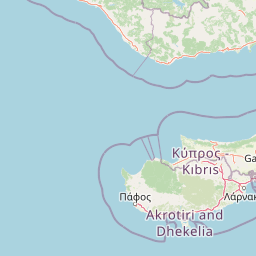
Periochi Asgatas lies within the southern part of Cyprus, in a region shaped by classic Mediterranean terrain. Its roughly 107-hectare footprint consists exclusively of terrestrial landscapes, with elevation and substrate typical of inland lowland and hill environments of the island.
The physical character of the site is defined by a mosaic of open shrubland, low scrub, and pine-covered slopes. Thermomediterranean scrub formations blend with phrygana communities dominated by Sarcopoterium spinosum, while stands of Mediterranean pine forest with endemic mesogean pines provide a distinct, taller vegetation layer. This landscape mosaic is typical of Mediterranean Cyprus, where dry summer conditions and mild winters shape a vegetation pattern that alternates between dense shrub cover and more open pine woodland.
Periochi Asgatas ecosystems, habitats, and plant life
Ecologically, Periochi Asgatas belongs to the Mediterranean ecoregion and includes three formally recognized natural habitats. These are thermomediterranean and pre-desert scrub formations, Sarcopoterium spinosum phryganas, and Mediterranean pine forests featuring mesogean pines that are endemic to the region.
Together, these habitats create a layered ecological system. The low scrub and phrygana provide flowering resources, seed sources, and ground cover for birds, reptiles, and invertebrates, while the pine forest adds structural diversity and nesting opportunities. The site's combination of dryland shrubs and pine woodland is characteristic of Cypriot lowland ecosystems and supports a community of plants and animals adapted to seasonal Mediterranean climates with hot, dry summers.
Periochi Asgatas wildlife and species highlights
The site supports a notably rich bird community for its size, with 51 bird species recorded as part of the formal basis for its protection. The list includes breeding species typical of Mediterranean Cyprus such as the Eurasian hoopoe, common cuckoo, European turtle dove, and the endemic Cyprus wheatear, alongside migratory species that pass through the island.
Several shrike species feature prominently, including the red-backed shrike, lesser grey shrike, masked shrike, and woodchat shrike, reflecting the site's importance as suitable foraging habitat for these insectivorous birds. Raptors and nocturnal species also appear, including the European nightjar, barn owl, Eleonora's falcon, and red-footed falcon, while harriers such as the marsh harrier, hen harrier, and pallid harrier highlight the site's value for birds of prey. Beyond birds, the protected area also supports the lesser horseshoe bat, Rhinolophus hipposideros, and additional records of reptiles, invertebrates, and plants that broaden its overall biodiversity profile.
Periochi Asgatas conservation status and protection priorities
Periochi Asgatas carries significant conservation weight within Cyprus's Natura 2000 network. Its triple designation as a Special Protection Area, Site of Community Importance, and Special Area of Conservation places it within the core European framework for protecting biodiversity and natural habitats.
The formal basis for protection includes two endemic plant subspecies, Astragalus macrocarpus subsp. lefkarensis and Phlomis brevibracteata, alongside a large suite of bird species whose conservation status depends on the maintenance of Mediterranean habitats. The site's protection of thermomediterranean scrub, phrygana, and endemic pine forest contributes to broader efforts to maintain habitat connectivity and preserve the characteristic biodiversity of southern Cyprus in the face of ongoing land-use pressures.
Top sights and standout views in Periochi Asgatas
Periochi Asgatas stands out as a compact Natura 2000 site that brings together three characteristic Mediterranean habitats in a single protected area. Its combination of endemic pine forest, thermomediterranean scrub, and Sarcopoterium phrygana gives the site a distinctive ecological identity within southern Cyprus.
The site is also notable for the formal recognition of two endemic plant taxa and a remarkably diverse bird community for its size, including shrikes, wheatears, warblers, and the endemic Cyprus wheatear. These features make it a meaningful reference point for understanding how small protected areas contribute to Mediterranean biodiversity conservation.
Best time to visit Periochi Asgatas
The character of Periochi Asgatas is shaped by the typical Mediterranean climate of southern Cyprus, with mild, wet winters and hot, dry summers. Spring is generally the most rewarding period for observing the site's flowering plants, active birdlife, and reptile activity, as temperatures are moderate and seasonal migrants pass through the island.
Autumn and winter also bring ornithological interest, with migratory birds and wintering species present across the site's mix of scrub, phrygana, and pine forest. Summer visits, while possible, coincide with high heat and reduced vegetation activity, which can limit visibility of both flora and fauna.