Why Xylourikou Valley Area stands out
Periochi Koiladas Xylourikou is best known for its role as a Cyprus bird protection site, conserving one of the more diverse assemblages of bird species recognized within the Natura 2000 framework on the island. Its designation reflects the importance of inland cyprus landscapes for raptors such as the northern goshawk, Eurasian sparrowhawk, and Bonelli's eagle, alongside a broad community of passerines typical of Mediterranean woodland and scrubland mosaics. The area is particularly valued for supporting many migratory and breeding songbirds that pass through the eastern Mediterranean, including wheatears, warblers, flycatchers, redstarts, and buntings. Its species list also reflects a mix of winter visitors and summer breeders linked to the broader climate and vegetation patterns of inland Cyprus.
Xylourikou Valley Area history and protected-area timeline
Periochi Koiladas Xylourikou was formally established as a Natura 2000 Special Protection Area in October 2007. The designation was made specifically to protect a large suite of bird species present in the area, with 79 species recognized as the basis for its avifaunal protection status.
The designation reflects the broader European effort under the Birds Directive to safeguard habitats used by wild birds across member and candidate states, including Cyprus. Beyond the founding act of designation, there is limited documented institutional or cultural history associated with the site as a protected entity.
Xylourikou Valley Area landscape and geographic character
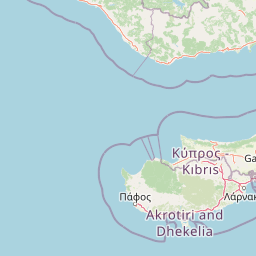
The site occupies an inland valley setting in central Cyprus, within the broader Mediterranean landscape context of the island. Its terrain is characterized by typical Mediterranean valley topography, with a mix of lowland and upland influences that shape the climate and vegetation patterns of the area.
The broader regional landscape includes the mosaic of agricultural land, Mediterranean scrub, and woodland patches that characterize much of inland Cyprus. The valley position of the site creates conditions that combine elements of the island's drier lowland environments with cooler and more vegetated upland influences, an interplay that supports a particularly diverse bird community.
Xylourikou Valley Area ecosystems, habitats, and plant life
Periochi Koiladas Xylourikou falls within the Mediterranean ecoregion, characterized by hot, dry summers and mild, wet winters typical of the eastern Mediterranean. The vegetation and land cover patterns of inland Cyprus shape the ecological character of the site, with a blend of natural scrubland, woodland patches, and agricultural mosaics.
The site is notable in ecological terms for its role as habitat for a large variety of bird species, even though no formally protected habitat types under the Habitats Directive are highlighted for the area. The ecological value of the site rests primarily on its function as bird habitat rather than on any single habitat classification, reflecting how landscape composition in Mediterranean valleys can support biodiversity through structural diversity rather than through protected habitat types alone.
Xylourikou Valley Area wildlife and species highlights
The wildlife significance of Periochi Koiladas Xylourikou centers almost entirely on its bird fauna. The site supports 79 bird species of European conservation concern, including a notable community of raptors such as the northern goshawk, Eurasian sparrowhawk, common buzzard, long-legged buzzard, peregrine falcon, common kestrel, western marsh harrier, and Bonelli's eagle.
A wide range of passerines also characterizes the site, including the European robin, common chaffinch, Eurasian blackbird, song thrush, redwing, fieldfare, mistle thrush, Eurasian golden oriole, great spotted cuckoo, Eurasian hoopoe, common kingfisher, European bee-eater, and European roller. Warblers, wheatears, and reed-associated species such as the great reed warbler, sedge warbler, reed warbler, and Savi's warbler further underline the diversity of habitats available to birds within the area.
In addition to the qualifying species, six additional bird species have been recorded at the site, reinforcing its general importance for ornithological diversity. The assemblage reflects a blend of resident Mediterranean species, summer breeders, and winter visitors, illustrating the site's relevance across multiple seasons.
Xylourikou Valley Area conservation status and protection priorities
Periochi Koiladas Xylourikou is valued primarily for its ornithological conservation significance. As a Special Protection Area, it is part of the European Natura 2000 network, the largest coordinated network of protected areas in the world, designed to ensure the long-term survival of Europe's most threatened and valuable species and habitats.
The designation of the site reflects the importance of inland Cyprus for the conservation of birds across the Mediterranean, particularly species that are sensitive to changes in land use, agricultural practices, and habitat structure. By protecting a valley-scale landscape in central Cyprus, the site contributes to maintaining ecological continuity and habitat availability for both resident and migratory bird populations that depend on the eastern Mediterranean.
Top sights and standout views in Xylourikou Valley Area
Periochi Koiladas Xylourikou stands out for the sheer breadth of its qualifying bird species, with 79 species of European conservation interest represented within its boundaries. Its location in central Cyprus gives it a particular role within the island's system of inland protected areas, contributing to the conservation of raptors, woodland passerines, and Mediterranean specialists.
The site reflects the broader importance of Mediterranean valley landscapes for birdlife and is part of a wider Natura 2000 effort to safeguard ecological networks across Europe, including in non-mainland contexts such as islands like Cyprus.