

Mori Atlas logo
Nature reservePeriochi Polis - Gialia

A diverse protected area uniting mobile dune systems, saline marshes, and marine Posidonia seagrass habitats.

Periochi Polis - Gialia Nature Reserve: Mapping Coastal Protected Landscapes in Northwestern Cyprus

Periochi Polis - Gialia stands as a vital coastal nature reserve in northwestern Cyprus, characterized by a complex mosaic of protected habitats. This area encompasses a seamless transition from submerged Posidonia seagrass beds to stabilized dune systems and riparian thickets. Through its Natura 2000 status, the site functions as a key conservation stronghold, supporting migratory bird populations and sensitive coastal ecosystems.

coastal protected areaMediterranean dunessaltmarsh habitatPosidonia seagrassNatura 2000bird sanctuary

Periochi Polis - Gialia

Nature reserve

Park overview

Structured park overview, official facts, and landscape profile for Periochi Polis - Gialia

Periochi Polis - Gialia park facts, protected area profile, and essential visitor context

Review the core facts for Periochi Polis - Gialia, including designation, size, terrain, visitor scale, habitats, and operating context in one park-focused overview.

About Periochi Polis - Gialia

Periochi Polis - Gialia sits on the northwest coast of Cyprus, framed by the coastal belt between Polis Chrysochous and the village of Gialia. The site occupies roughly 1,750 hectares of land, with its center positioned at approximately 35.0764 degrees north and 32.4639 degrees east. Its position places it at the edge of the Chrysochous Bay region, an area characterized by a long arc of sandy and pebbly shoreline backed in places by low coastal hills and inland agricultural land. The protected area is entirely terrestrial in its formal designation, but it extends right up to the shore and effectively safeguards the coastal interface between land and sea on this stretch of the island.

Ecologically, the area is shaped by the interplay of Mediterranean climate, coastal dunes, saline pockets, and seasonal freshwater flows. The Mediterranean ecoregi on the land side supports thermophilic scrubby vegetation and dune communities typical of the region, while the Mediterranean marine ecoregi on the seaward side maintains shallow sandy bottoms and seagrass meadows. The site contains about ten natural habitat types in formal conservation terms. These include permanently shallow marine sandbanks, Posidonia oceanica seagrass beds, annual vegetation at the tide line, Salicornia-dominated saline marshes, embryonic mobile dunes with pioneer plants, fixed dunes of the Crucianellion maritimae type, dune grasslands of the Malcolmietalia and Brachypodietalia types, sclerophyllous dune scrub of the Cisto-Lavenduletalia association, and southern riparian galleries including tamarisk and oleander thickets. This range of habitats is unusually compressed in space, allowing very different ecological communities to sit side by side.

The site's formal identity is built around Natura 2000, the European Union's coordinated network of protected areas. In December 2002, Periochi Polis - Gialia was declared a Special Protection Area under the Birds Directive, with the explicit goal of protecting seventy-nine animal species, the great majority of them birds. In May 2004, it was confirmed as a Site of Community Importance under the Habitats Directive, and in July 2017, it was officially designated a Special Area of Conservation. These three layers of recognition reflect the site's combined importance for breeding, wintering, and migratory birds, for habitat protection, and for broader biodiversity conservation on the island.

Beyond its institutional status, the area is meaningful because of the way it concentrates so many protected species in one relatively small coastal polygon. The birds alone span a wide range of ecological roles: raptors such as the sparrowhawk, long-legged buzzard, peregrine falcon, several harriers, and the honey buzzard; waterbirds and wetland species including mallard, shoveler, garganey, little egret, great egret, purple heron, squacco heron, grey heron, night heron, little bittern, Kentish plover, and little gull; signature Mediterranean passerines such as the great spotted cuckoo, the red-rumped swallow, the European bee-eater, the pied and isabelline wheatears, the spectacled, Rüppell's, and Orphean warblers; and familiar migrants such as the common swift, barn swallow, house martin, sand martin, whinchat, common redstart, and northern wheatear. A selection of owls, nightjars, hoopoes, and crested larks rounds out the list. Mammals protected here include the Cypriot form of the greater white-toothed shrew, the serotine bat, and a Mediterranean cave salamander species recorded under Speleomantes, as well as the bottlenose dolphin in adjacent waters. Reptiles include the common chameleon, a Cyprian stellion, the snake-eyed lizard, Schreiber's fringe-fingered lizard, the ocellated skink, the European glass lizard, and two marine turtle species, the loggerhead and the green sea turtle. Together these lists show that the site functions as a genuine catch-all refuge for coastal Cypriot wildlife.

For visitors and researchers, Periochi Polis - Gialia is less a single attraction and more a mosaic landscape. The beaches, dunes, and river mouths around Polis and Gialia are woven into a protection regime that prioritizes habitat integrity, seasonal bird presence, and the survival of long-lived species like sea turtles and dolphins. Its role in the Natura 2000 network makes it one of the key reference sites for understanding the natural heritage of the northwestern Cypriot coast.

Quick facts and research context for Periochi Polis - Gialia

Periochi Polis - Gialia is a Natura 2000 site in Cyprus registered under the code CY4000001, situated on the western coast between the settlements of Polis and Gialia. It covers approximately 1,750 hectares entirely on land. It was first designated as a Special Protection Area for birds in December 2002, later confirmed as a Site of Community Importance in May 2004, and upgraded to a Special Area of Conservation in July 2017. The area belongs to both the Mediterranean and Mediterranean marine ecoregions and contains about ten natural habitat types, spanning marine sandbanks, Posidonia meadows, intertidal vegetation, saline marshland with Salicornia, several stages of coastal dunes, and southern riparian thickets. Key wildlife designations include around 67 protected bird species, four protected mammal species, and nine protected reptile species, alongside documented populations of marine turtles and bottlenose dolphins in adjacent waters.

Protection and recognition

Documented conservation designations and official recognition records for Periochi Polis - Gialia

Periochi Polis - Gialia Protection Status and Natura 2000 Recognition

Periochi Polis - Gialia protection status and documented Natura 2000 recognition records appear alongside official conservation designations. Structured records outline the international framework and boundary sources associated with this protected area.
Park context

Deeper park guide and search-rich context for Periochi Polis - Gialia

Periochi Polis - Gialia history, landscape, wildlife, and travel context

Explore Periochi Polis - Gialia through its history, landscape character, ecosystems, wildlife, conservation priorities, cultural context, and seasonal travel timing in a structured park guide built for atlas discovery and search intent.

Why Periochi Polis - Gialia stands out

Periochi Polis - Gialia is best known for its dense concentration of protected bird species, which form the original basis of its Special Protection Area designation. The site gathers a remarkable list of European and Mediterranean passerines, raptors, waders, terns, and waterbirds, many of them migratory, in a coastal strip that combines dune, marsh, scrub, and riparian habitats. Equally distinctive is the site's habitat diversity at a relatively compact scale. Within a few square kilometers, the protected area unites mobile and fixed Mediterranean dune systems with their characteristic Cisto-Lavenduletalia and Brachypodietalia vegetation, saline pioneer communities dominated by Salicornia, southern tamarisk and oleander galleries along seasonal watercourses, and offshore Posidonia seagrass beds that anchor the marine side of the protection. This stacking of marine, coastal, and inland habitats in one Natura 2000 polygon is the defining identity of the area.

Periochi Polis - Gialia history and protected-area timeline

The formal history of Periochi Polis - Gialia is essentially the history of its progressive recognition under European Union nature protection law. In December 2002, the area was declared a Special Protection Area for birds within the framework of the Natura 2000 network, with the explicit purpose of safeguarding seventy-nine animal species, overwhelmingly birds, that use the site through the year or during migration.

The site's protection was then expanded in two further steps. In May 2004, Periochi Polis - Gialia was confirmed as a Site of Community Importance, reflecting its significance under the EU Habitats Directive for the conservation of natural habitat types and non-bird species. In July 2017, this status was translated into the more permanent designation of Special Area of Conservation, marking the point at which the site became a fully operational conservation zone rather than a transitional or candidate site. The progression from SPA to SCI to SAC traces the gradual deepening of the area's legal and institutional protection over a span of roughly fifteen years.

Periochi Polis - Gialia landscape and geographic character

The landscape of Periochi Polis - Gialia is a classic example of a northwestern Cypriot coastal strip. Near the shore, low sandy beaches give way to a sequence of dunes that progress from unstable, mobile forms with pioneer vegetation through partly fixed dunes dominated by grasses and herbaceous annuals, to stabilized dune systems colonized by low sclerophyllous shrubs. Behind this dune belt, gentle coastal slopes rise into a mosaic of garrigue-like scrub and small patches of cultivated land typical of the Polis and Gialia hinterland.

Along the inland edge of the site, seasonal rivers and streams create riparian corridors lined with tamarisk, oleander, and other southern Mediterranean riverine thickets. Where these watercourses approach the coast, they generate small brackish or saline pockets colonized by Salicornia and other halophytic pioneer vegetation. The combination of dune ridges, low marshy depressions, intermittent rivers, and coastal scrub means that the topography changes noticeably over short distances, producing a heterogeneous terrain that supports a wide variety of ecological niches within the protected boundary.

Periochi Polis - Gialia ecosystems, habitats, and plant life

Periochi Polis - Gialia protects an unusually dense concentration of Mediterranean coastal and marine habitats for an area of its size. The terrestrial side of the site is dominated by a dune gradient that begins with embryonic dunes bearing scattered pioneer plants and develops into fixed dunes supporting grasses of the Malcolmietalia and Brachypodietalia groupings, and ultimately into dune scrub rich in Cistus and Lavandula species. Together these dune habitats form the backbone of the site's Mediterranean terrestrial character.

Parallel to the dune arc, the site includes saline vegetation along the upper shore and in small depressions inland, dominated by Salicornia and other annual halophytes that recolonize disturbed saline substrates each year. Toward the back of the dune belt, southern riparian galleries and tall shrub thickets follow seasonal watercourses, with tamarisk and oleanner formations anchoring the transition between freshwater influence and true dune environment. The marine component adds permanently shallow sandy bottoms colonized by Posidonia oceanica seagrass and intertidal annual vegetation, tying the protection seaward into the Mediterranean marine ecoregion. This stacking of dune, marsh, scrub, riparian, and marine habitats within a single Natura 2000 polygon is the defining ecological feature of the area.

Beyond habitat diversity, the site hosts a recorded plant inventory of around twelve species identified as protected, alongside thirteen additional bird records not covered by the formal protection list, two amphibian species, four additional mammal records, four invertebrate records, and nine additional reptile records, indicating active biodiversity across multiple groups even outside the headline protection lists.

Periochi Polis - Gialia wildlife and species highlights

The wildlife profile of Periochi Polis - Gialia is dominated by birds, which form the original foundation for its Special Protection Area designation. The site hosts dozens of protected bird species spanning raptors, waterbirds, terns, larks, wheatears, warblers, swallows, martins, and nightjars. Sparrowhawks, long-legged buzzards, peregrine falcons, several harrier species, and honey buzzards all feature in the protected list, while the wetlands and shoreline bring in mallard, shoveler, garganey, grey heron, purple heron, squacco herron, little egret, great egret, little bittern, night heron, Kentish plover, and little gull. Mediterranean scrub specialists such as the great spotted cuckoo, the European bee-eater, the red-rumped swallow, the spectacled warbler, Rüppell's warbler, the Orphean warbler, the melodious warbler, and the Cyprus warbler add a distinctly southern flavor to the avifauna, while familiar European migrants like the common swift, barn swallow, house martin, sand martin, whinchat, common redstart, and northern wheatear are recorded as protected. Owls such as the barn owl, the European nightjar, the hoopoe, and the crested lark round out the picture.

Mammal records under formal protection include the Cypriot subspecies of the greater white-toothed shrew, the serotine bat, an Italian cave salamander species recorded under Speleomantes, and the bottlenose dolphin in adjacent waters of the Mediterranean marine ecoregion. Reptile protection covers a strongly Mediterranean set of species: the common chameleon with its Cypriot variant, the Cyprian form of the starred agama, the snake-eyed lizard, Schreiber's fringe-fingered lizard, the ocellated skink, the European copper skink, and Ablepharus kitaibelii, together with the loggerhead sea turtle and the green sea turtle in coastal waters. The combined presence of land reptiles, marine turtles, and dolphins makes the site significant for conservation well beyond its bird component.

Periochi Polis - Gialia conservation status and protection priorities

Conservation significance is the core identity of Periochi Polis - Gialia. The area was specifically chosen to anchor protection of coastal and marine biodiversity on the northwestern edge of Cyprus, and the triple Natura 2000 designation of SPA, SCI, and SAC reflects that purpose. The SPA status from December 2002 recognizes that the area regularly hosts a defined set of protected bird species in numbers that matter at the European scale, while the 2004 SCI and 2017 SAC designations acknowledge that the same area protects valuable natural habitat types and non-bird species under the Habitats Directive.

The combination of dune habitats, saline pioneer communities, riparian thickets, seagrass beds, and adjacent marine waters gives the site a conservation value that goes beyond any single species. Dune systems of the types represented here are among the most threatened habitats in the Mediterranean, because they are vulnerable to coastal development, recreational pressure, sand extraction, and the spread of invasive plants. Saline communities are similarly fragile, depending on specific hydrological and substrate conditions, while Posidonia meadows are widely regarded as a key indicator of marine habitat quality. Protecting all of these in a connected strip means the site buffers multiple ecological processes at once.

The presence of charismatic and long-lived species, including the bottlenose dolphin, the loggerhead turtle, and the green sea turtle, gives the site additional conservation weight, because population recovery for these species depends heavily on the protection of feeding and nesting habitat along coasts like the Polis-Gialia shoreline. Together with its formal status, the area serves as a reference site for the conservation of Mediterranean coastal-marine interfaces in Cyprus.

Periochi Polis - Gialia cultural meaning and human context

The Polis - Gialia coastline carries deep historical and cultural associations within Cyprus, anchored by the ancient town of Polis Chrysochous, traditionally identified with the classical city of Arsos or nearby Marion, and by the village of Gialia, known for its rural hinterland and traditional inland architecture. The area's natural landscapes have long shaped local livelihoods tied to small-scale agriculture, fishing, and seasonal grazing.

The protected status of Periochi Polis - Gialia reflects a more contemporary layer of cultural identity, in which the communities around Polis and Gialia are increasingly associated with the stewardship of coastal natural heritage as part of the broader European ecological network. This blend of older rural and maritime traditions with a modern conservation identity is part of how the area fits into regional cultural life, even though the site is valued primarily for its ecological rather than its built heritage.

Top sights and standout views in Periochi Polis - Gialia

The standout quality of Periochi Polis - Gialia is its ability to combine dune, marsh, riparian, and marine environments within a single compact protected polygon on the northwestern Cypriot coast. The site's triple Natura 2000 recognition, as a Special Protection Area, a Site of Community Importance, and a Special Area of Conservation, signals that its significance goes well beyond any single species group.

Within this framework, three features distinguish the area most clearly: the rich avifauna that spans raptors, waterbirds, and southern Mediterranean passerines; the layered dune system that progresses from mobile pioneer dunes to stabilized sclerophyllous scrub; and the presence of marine elements, particularly Posidonia seagrass beds and habitats used by marine turtles and bottlenose dolphins, that connect the terrestrial site to the surrounding sea. Together these elements give the protected area a coherent identity as a coastal-marine conservation stronghold rather than a single-purpose reserve.

Best time to visit Periochi Polis - Gialia

Periochi Polis - Gialia is shaped by the mild Mediterranean climate, with hot, dry summers and mild, wetter winters that influence both visitor comfort and wildlife visibility. Spring and early summer tend to be the most rewarding windows for general exploration, when temperatures are moderate, dune vegetation is in active growth, and migratory bird species are still present alongside breeding residents. Coastal scenery is at its most vibrant in this same period.

Late autumn through early spring is the main period for wintering and passage birds, with waterbirds gathering along wetter zones and seasonal streams feeding inland wetlands. Summer brings hotter and drier conditions, with reduced freshwater influence along the riparian corridors, though long Mediterranean evenings and calmer seas make this period well-suited to quieter enjoyment of the coastal landscape. Timing a visit to coincide with either the bird migration windows or the milder parts of the year tends to bring out the strongest version of the area.
Monthly climate preview

Long-term representative point measurements for temperature and precipitation patterns

Periochi Polis - Gialia Climate Normals, Annual Temperature and Precipitation Rhythm

Representative coordinates record measured monthly averages spanning from cool winter lows to warm summer highs alongside shifting precipitation rates. Examining the full twelve-month profile reveals detailed baseline climate normals across the protected area.
Annual mean19 °C
11 °C27 °C
Jan11°
Feb11°
Mar13°
Apr16°
May20°
Jun24°
Jul27°
Aug27°
Sep25°
Oct21°
Nov17°
Dec13°
Warmest month
August

27.2 °C

Coolest month
January

11.1 °C

Wettest month
December

2.8 mm/day

Driest month
July

0.1 mm/day

Park location guide

Geography guide, regional context, and park location map for Periochi Polis - Gialia

Periochi Polis - Gialia park geography, regions, and map view in Cyprus

Understand where Periochi Polis - Gialia sits in Cyprus through a broader geographic reading of the surrounding landscape, nearby location context, and its mapped position within the national park landscape.

How Periochi Polis - Gialia fits into Cyprus

Cyprus is an island nation in the eastern Mediterranean Sea, positioned at the crossroads of Europe, Africa, and Asia. The Republic of Cyprus governs the southern portion of the island, with Nicosia as its capital and largest city. The island has a complex political situation due to the Turkish occupation in the north and contains British military bases in the south. Cyprus gained independence from Britain in 1960 and is a member of the European Union.

Wider geography shaping Periochi Polis - Gialia in Cyprus

Cyprus is an island located in the eastern Mediterranean Sea, off the coast of the Levant in West Asia. The island lies approximately 75 km south of Turkey, 105 km west of Syria, and 380 km north of Egypt. The terrain varies from mountainous regions in the north and interior to plains and coastal areas. The Troodos Mountains dominate the central and southwestern part of the island. The island has no land borders as it is entirely surrounded by sea.

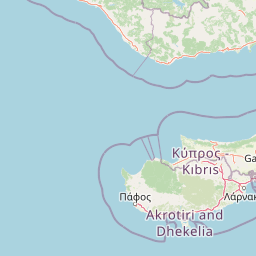
Map view of Periochi Polis - Gialia

Use this park location map to pinpoint Periochi Polis - Gialia in Cyprus, understand its exact geographic position, and read its mapped placement within the surrounding landscape more clearly.

Pigeon | © OpenStreetMap contributors
Recorded earthquake history

Browse the Historical Earthquake Catalogue for Periochi Polis - Gialia

Explore the documented history of seismic events recorded in the vicinity of Periochi Polis - Gialia. This structured MoriAtlas resource organizes event data by location and magnitude to support a deeper geographic understanding of the area through mapped seismic records.

Periochi Polis - Gialia Earthquake History

Catalogued events

195 events

Strongest magnitude

Magnitude 6.6

Most recent event

Nov 13, 2025

This history includes earthquakes recorded inside the park or within 50 km of its borders

Park atlas

Compare surrounding coastal landscapes and neighboring wildlife sanctuaries

Parks Near Periochi Polis - Gialia and Regional Protected Areas

Browse other protected areas near Periochi Polis - Gialia to examine similar coastal dune habitats, wetland ecosystems, and regional conservation zones. Comparing adjacent natural spaces provides a clearer understanding of the ecological network spanning the northwestern Cypriot coastline.
Protected areaCyprus
0.8 km away#1 closest

East

Dasos Pafou: Protected Forest Landscapes and Geographic Terrain of Western Cyprus

Extensive Mediterranean woodland and riparian habitat mosaic

Dasos Pafou serves as a cornerstone of conservation in western Cyprus, protecting a vast contiguous area of pine forests, oak woodlands, and rocky gorges. The site offers a detailed look at the island's diverse ecological character, blending high-altitude conifer stands with deep valley river systems to create a unique Mediterranean landscape atlas.

Area
602.259 km²
Established
2005
Relief
Mixed relief
Climate
Mediterranean
Nature reserveCyprus
1.3 km away#2 closest

Southwest

Periochi Skoulli Nature Reserve: Protected Landscape and Regional Geography in Cyprus

Mediterranean habitats and migratory bird refuge in Paphos

Periochi Skoulli is a highly concentrated nature reserve in Cyprus that safeguards a variety of unique terrestrial habitats. From rare riparian forest galleries and oak woodlands to seasonal wet meadows, this site provides a critical micro-landscape for Mediterranean biodiversity. The mapped boundaries reveal a vital stepping stone for migratory bird routes, representing a focused example of protected terrain within the diverse Paphos regional geography.

Area
1.002 km²
Established
2002
A soft watercolor painting of a curved sandy beach meeting the ocean, with green coastal hills and shrubs in the foreground.
Nature reservePaphos District
3.7 km away#3 closest

West

Chersonisos Akama Nature Reserve: Geography and Protected Area Overview in Paphos District

Mapping Mediterranean forest, coastal, and marine ecosystems

Chersonisos Akama stands as an essential protected landscape in northwestern Cyprus. This atlas entry provides geographic insights into its varied terrain, ranging from juniper woodlands and endemic-rich grasslands to its significant offshore reefs and sea turtle nesting beaches. Understand the spatial distribution of this Natura 2000 site and its role in preserving eastern Mediterranean biodiversity.

Area
179.144 km²
Established
2009
Relief
Mixed relief
Climate
Mediterranean
Nature reserveCyprus
About 8.1 km away#4 closest

South

Farangia Agias Aikaterinis - Agias Paraskevis: Nature Reserve and Mediterranean Gorge Geography

Mapping protected habitats and bird conservation zones in central Cyprus.

This protected natural area features dramatic gorge terrain and diverse Mediterranean scrubland, serving as a sanctuary for numerous bird species. Designated under the Natura 2000 network as a Special Protection Area, it provides essential habitat connectivity within the broader landscape of Cyprus, making it a critical point for understanding regional ecological conservation and avian biodiversity patterns.

Area
12.035 km²
Established
2007
Climate
Mediterranean
Scope
Terrestrial
Nature reserveCyprus
17 km away#5 closest

South

Koili - Mavrokolympos Nature Reserve: Mapping the Protected Landscapes of Interior Cyprus

A vital Mediterranean sanctuary defined by diverse habitats and limestone terrain.

Koili - Mavrokolympos stands as an essential nature reserve in the Cypriot interior, encompassing a dense mosaic of cypress forests, Oriental plane woodlands, and sun-drenched phrygana. This protected area offers deep insight into Mediterranean biodiversity, highlighting the intersection of complex hydrology and rocky, undulating limestone topography within a compact, ecologically significant boundary.

Area
2.968 km²
Established
2002
Relief
Mixed relief
Climate
Mediterranean
Nature reserveCyprus
About 21 km away#6 closest

South

Kremmoi Ezousas Nature Reserve: Protected Inland Foothills and Bird Habitat in Cyprus

Mapped Mediterranean valley terrain and avian conservation zones

Situated in the inland valleys of western Cyprus, Kremmoi Ezousas functions as a key Special Protection Area within the Mediterranean ecoregion. The reserve supports a complex landscape of scrubland and seasonal watercourses that provide crucial breeding, wintering, and migratory refuge for dozens of bird species including raptors and passerines.

Area
15.7 km²
Established
2008
Climate
Mediterranean
Scope
Terrestrial
Nature reserveCyprus
22 km away#7 closest

South

Koilada Ezousas: Protected Inland Valley Landscapes and Map Geography in Western Cyprus

Natura 2000 designated nature reserve in the Paphos district

Koilada Ezousas represents a strategically mapped protected area in western Cyprus, characterized by its extensive inland valley terrain. The site acts as a critical refuge within the Mediterranean ecoregion, supporting a high concentration of raptors and endemic passerines. Understanding its geographic spread provides insight into the broader network of protected corridors across the island.

Area
56.27 km²
Established
2019
Climate
Mediterranean
Scope
Terrestrial
Nature reserveCyprus
23 km away#8 closest

South

Episkopi Morou Nerou: Mapping the Protected Nature Reserve Landscapes of Western Cyprus

A regional geography of river valleys, riparian galleries, and forest mosaics

Located in western Cyprus, Episkopi Morou Nerou is a notable nature reserve spanning river valleys and Mediterranean scrubland. This protected area supports an array of habitats, from oriental plane forests and poplar galleries to open phrygana and pseudo-steppe grasslands, serving as a critical sanctuary for diverse bird populations and native plant species.

Area
4.193 km²
Established
2002
Relief
Mixed relief
Climate
Mediterranean

Common questions about visiting, size, designation, and location context for Periochi Polis - Gialia

Periochi Polis - Gialia FAQs for park facts, access, geography, and protected area context

Find quick answers about Periochi Polis - Gialia, including protected-area facts, park geography, trail and visitor context, and how the park fits into its surrounding country and regional landscape.
MoriAtlas Explorer

Continue Your Protected Areas Search Across the Global Atlas

Deepen your exploration by continuing the structured search for national parks and protected areas worldwide. Utilize the comprehensive filtering capabilities to compare different conservation landscapes and refine your understanding of global park geography. Discover more about the distribution and characteristics of protected natural areas.

Global natural geography