

Mori Atlas logo
National parkPidna National Park

Discover the mapped geography and protected area identity of Pidna National Park.

Pidna National Park: National Park and Protected Landscape in Queensland, Australia

Pidna National Park represents a significant protected landscape within the northeastern Australian state of Queensland. As a national park, its designated boundaries offer a specific focus for geographic exploration and understanding its role in the regional atlas. This page provides detailed context on Pidna National Park's identity as a protected area, its place within the mapped geography of Queensland, and its contribution to the broader understanding of Australia's natural landscapes.

Queensland national parksUpper Brisbane catchmenttemperate forestprotected areaIUCN Category IIsoutheastern Queensland

Pidna National Park

National park

Park overview

Structured park overview, official facts, and landscape profile for Pidna National Park

Pidna National Park park facts, protected area profile, and essential visitor context
Review the core facts for Pidna National Park, including designation, size, terrain, visitor scale, habitats, and operating context in one park-focused overview.

About Pidna National Park

Pidna National Park is a relatively recent addition to Queensland's national park system, established in 2006 to protect a section of forest and woodland within the Upper Brisbane catchment. The park is located in southeastern Queensland near the small township of Yarraman, which serves as the nearest population center for visitors approaching the area. At 153 hectares, the park represents a smaller protected area compared to many of Queensland's more extensive national parks, yet it plays a role in the state's conservation network by preserving native vegetation within a catchment area that feeds into the Brisbane River. The park's temperate climate classification places it in a climatic zone distinct from the tropical and subtropical conditions that dominate much of coastal Queensland, supporting different ecological communities than those found in the state's more famous northern parks. The Queensland Parks and Wildlife Service manages the park as part of Queensland's broader protected areas strategy, which aims to preserve representative samples of the state's diverse ecosystems.

Quick facts and research context for Pidna National Park

Pidna National Park is located in southeastern Queensland, Australia, approximately 153 hectares in size and established in 2006. The park is situated near Yarraman and falls within the Upper Brisbane catchment area, which feeds into the Brisbane River system. The area experiences a temperate climate typical of southern Queensland's elevated regions. The park is managed by the Queensland Parks and Wildlife Service and holds IUCN Category II protected area status, the classification for national parks.

Park context

Deeper park guide and search-rich context for Pidna National Park

Pidna National Park history, landscape, wildlife, and travel context
Explore Pidna National Park through its history, landscape character, ecosystems, wildlife, conservation priorities, cultural context, and seasonal travel timing in a structured park guide built for atlas discovery and search intent.

Pidna National Park history and protected-area timeline

Pidna National Park was formally established in 2006 as part of Queensland's ongoing efforts to expand its network of protected areas. The creation of the park reflected a growing recognition of the importance of preserving native vegetation within the Upper Brisbane catchment region, which plays a significant role in maintaining water quality and ecological function for downstream communities. The establishment of Pidna added to Queensland's national park estate during a period when the state was actively identifying and protecting areas of ecological significance across different bioregions. The park's relatively recent designation means its management focuses on maintaining and enhancing the natural values present at the time of reservation, with ongoing monitoring and adaptive management as needed.

Pidna National Park ecosystems, habitats, and plant life

Pidna National Park occupies a position within the temperate forest and woodland ecosystems of southeastern Queensland. The Upper Brisbane catchment setting means the park contributes to the health of the Brisbane River basin, with native vegetation playing roles in soil stabilization, water filtration, and habitat provision. The temperate climate of the region supports plant communities adapted to cooler conditions compared to the tropical and subtropical environments found in other parts of Queensland.

Pidna National Park conservation status and protection priorities

As an IUCN Category II national park, Pidna is designated for the protection of natural ecosystems while allowing for sustainable visitor use and environmental education. The park's location within the Upper Brisbane catchment gives it significance beyond its modest size, as intact vegetation in this catchment area helps protect water quality for communities downstream along the Brisbane River. The establishment of Pidna National Park represents a contribution to Queensland's conservation targets, working toward the protection of representative ecosystems across the state's diverse bioregions.
Park location guide

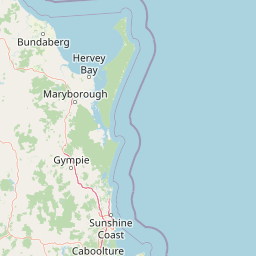
Geography guide, regional context, and park location map for Pidna National Park

Pidna National Park park geography, regions, and map view in Australia
Understand where Pidna National Park sits in Australia through a broader geographic reading of the surrounding landscape, nearby location context, and its mapped position within the national park landscape.

How Pidna National Park fits into Australia

Australia is a constitutional monarchy and federal parliamentary democracy comprising six states and ten territories. With a population of nearly 28 million, it is one of the world's most urbanised countries, with most people concentrated on the eastern seaboard. The country has a high Human Development Index and is known for its cultural diversity, ancient Aboriginal heritage, and unique wildlife.

Wider geography shaping Pidna National Park in Australia

Australia occupies the entire Australian continent, the island of Tasmania, and numerous smaller islands. It is the world's flattest and driest inhabited continent, featuring vast deserts in the interior (the Outback), tropical rainforests along the eastern coast, and a coastline bordering the Indian and Pacific Oceans.

Common questions about visiting, size, designation, and location context for Pidna National Park

Pidna National Park FAQs for park facts, access, geography, and protected area context
Find quick answers about Pidna National Park, including protected-area facts, park geography, trail and visitor context, and how the park fits into its surrounding country and regional landscape.
MoriAtlas Explorer

Continue Your Protected Areas Search Across the Global Atlas

Deepen your exploration by continuing the structured search for national parks and protected areas worldwide. Utilize the comprehensive filtering capabilities to compare different conservation landscapes and refine your understanding of global park geography. Discover more about the distribution and characteristics of protected natural areas.

Global natural geography