Why Pulau Tiga National Park stands out
Pulau Tiga National Park is best known for its unique volcanic origin and ongoing geothermal activity. Tiga Island remains one of the few places in Malaysia where visitors can witness active mud volcanoes on an island setting, with bubbling mud pools and methane gas vents continuing to manifest despite the last major eruption occurring in the early 1960s. The park is also renowned for its marine environment, particularly the sea snake breeding ground on Kalampunian Damit Island, where venomous sea snakes congregate seasonally. The pristine coral waters surrounding Kalampunian Besar, with its sugar-white sands, make the park a popular destination for scuba diving and snorkelling in Sabah.
Pulau Tiga National Park history and protected-area timeline
The territory now comprising Pulau Tiga National Park received formal protection as early as 1933, when the islands and surrounding waters were designated as a forest reserve. This early recognition of the area's significance predated modern national park designations in Malaysia and reflected understanding of the islands' unique geological and ecological character. In 1978, the area was officially established as Tiga Island National Park, elevating its protection status and bringing it under the management of Sabah Parks. The establishment as a national park coincided with growing environmental consciousness in Malaysia and expansion of protected area networks in Sabah. The islands' formation through mud volcano activity in 1897 represents a relatively recent geological event in the context of Southeast Asian volcanic landscapes, and the ongoing volcanic manifestations make the area an object of scientific interest for geologists and volcanologists studying mud volcano systems.
Pulau Tiga National Park landscape and geographic character
The landscape of Pulau Tiga National Park is defined by its volcanic origins and marine setting. Tiga Island rises from the sea with a terrain covered in dense vegetation, the result of decades of ecological succession following the volcanic events of 1897. Surface features include areas of bubbling mud and gas vents where methane continues to escape from underground volcanic systems, creating an active geothermal landscape atypical of typical tropical islands. Kalampunian Besar, known as Sandbank Island, represents a dramatically different landscape—a low-lying sandbar that has been substantially eroded by wave action, leaving only a narrow strip of white sand above the waterline at low tide. Kalampunian Damit, called Snake Island, consists primarily of exposed rock with minimal vegetation, serving as a distinct contrast to the vegetated Tiga Island. The marine landscape between and around the islands features clear tropical waters with coral reef formations, creating underwater terrain that attracts divers and snorkellers.
Pulau Tiga National Park ecosystems, habitats, and plant life
The nature of Pulau Tiga National Park encompasses both terrestrial and marine ecosystems. On Tiga Island, dense vegetation has established itself across the volcanic terrain, creating a green landscape that contrasts with the grey-brown volcanic mud areas where active venting occurs. The ongoing geothermal activity, though diminished from the major eruptions of the early 1960s, maintains bare ground in certain areas and contributes to the island's distinctive character. The marine environment surrounding the islands contains coral reef communities that support various fish species and invertebrates. Water clarity in the area, particularly around Kalampunian Besar, allows for substantial coral growth and makes the underwater environment accessible for recreational activity. The islands collectively represent a small but significant habitat complex within the coastal waters of Sabah.
Pulau Tiga National Park wildlife and species highlights
Wildlife in Pulau Tiga National Park centres on the marine environment, with the most notable feature being the seasonal presence of sea snakes on Kalampunian Damit Island. This small rocky island serves as a mating location for several species of venomous sea snakes, drawing attention from wildlife enthusiasts and researchers interested in marine reptile behaviour. The coral reef waters surrounding the islands support fish populations typical of tropical marine environments, including various reef fish species that inhabit the structural complexity provided by coral formations. Birdlife may utilise the islands as nesting or resting sites, given the marine park setting and proximity to coastal wetland areas on the nearby Klias Peninsula. The terrestrial wildlife on Tiga Island includes species adapted to the island's vegetation and the unusual volcanic terrain with its active venting areas.
Pulau Tiga National Park conservation status and protection priorities
Pulau Tiga National Park contributes to Malaysia's protected area system as a marine-focused park preserving both volcanic terrestrial features and marine ecosystems. The park's designation as a Category II protected area under International Union for Conservation of Nature classifications reflects its national park status and the management approach overseen by Sabah Parks. The preservation of the three islands with their different characteristics—volcanic Tiga Island, eroding Sandbank Island, and rocky Snake Island—maintains a range of habitats within a relatively compact marine area. The protection of coral reef environments around the islands supports marine biodiversity in the South China Sea portion of Sabah's coastal waters. The forest reserve designation that preceded the national park establishment demonstrates longstanding commitment to maintaining the islands' natural state.
Pulau Tiga National Park cultural meaning and human context
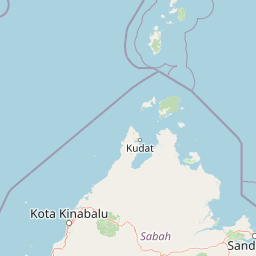
Pulau Tiga National Park exists within the broader context of Sabah's coastal communities and their relationship with marine environments. The park lies opposite the Klias Peninsula, an area with mangrove swamps and coastal settlements that utilise marine resources. The islands themselves have limited human habitation, with the primary relationship being through tourism and conservation management rather than permanent settlement. The local name "Pulau Tiga" meaning "Three Islands" directly describes the park's composition and has been the primary identifier for the area in Malaysian contexts. The park contributes to regional tourism offerings in Sabah, complementing other marine and terrestrial protected areas managed by Sabah Parks.
Top sights and standout views in Pulau Tiga National Park
The primary highlights of Pulau Tiga National Park include the opportunity to observe active mud volcano venting on Tiga Island, one of the few locations in Malaysia where this phenomenon can be witnessed in a island setting. The clear waters and white sand beaches of Kalampunian Besar provide snorkelling and diving experiences in a relatively accessible marine environment. The seasonal sea snake congregations on Kalampunian Damit offer a wildlife viewing opportunity distinctive to this location, though visitors should observe from a safe distance given the venomous nature of the snakes. The three-island composition provides varied experiences within a single park, from volcanic landscapes to beach environments to rocky reptile habitats.
Best time to visit Pulau Tiga National Park
The optimal time to visit Pulau Tiga National Park generally corresponds to the drier months in Sabah, typically from March to October, when conditions favour marine activities and island exploration. The park's marine environment is accessible year-round though weather patterns can influence sea conditions and visibility for underwater activities. Visitors interested in observing sea snake activity should be aware that this phenomenon occurs seasonally, and local guidance can inform timing. The volcanic features on Tiga Island remain accessible regardless of season, though wet season conditions may affect vegetation and trail conditions on the more heavily vegetated island.