Why Río Viejo San Camilo National Park stands out
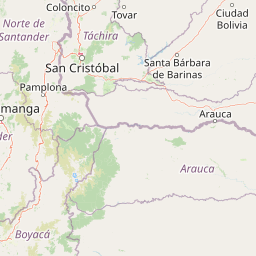
The park is best known for its extensive savanna landscapes in the Venezuelan llanos, protected river systems, and the transition between lowland tropical ecosystems. Its position near the Colombian border places it in a biogeographically significant zone. The park protects characteristic savanna vegetation with iconic tropical trees like the ceiba and samán, while its waterways support wetland-dependent wildlife including waterfowl and reptile populations.
Río Viejo San Camilo National Park history and protected-area timeline
Río Viejo San Camilo National Park was established as a national park on July 1, 1993, becoming part of Venezuela's system of protected areas. The park's creation reflected growing recognition of the need to preserve the savanna ecosystems of the llanos region, which had faced increasing human pressure from ranching and agriculture. The protected area was named for the Río Viejo and San Camilo, two geographical features within its boundaries that contribute to its ecological identity. As a relatively recent addition to Venezuela's national park network, the park represents mid-20th-century conservation priorities focused on protecting representative examples of the country's diverse ecosystems.
Río Viejo San Camilo National Park landscape and geographic character
The park's landscape is defined by its position in the Venezuelan llanos, a vast region of tropical savanna that covers much of central Venezuela. Elevations within the park range from 34 to 225 meters above sea level, creating a predominantly flat to gently undulating terrain. Numerous rivers cross the protected area, providing hydrological connectivity and creating habitat diversity through their riparian corridors. The savanna landscape features open grassland with scattered trees, characteristic of seasonally wet tropical savannas. The combination of flat terrain, seasonal water regimes, and tree-covered savanna creates a distinctive landscape typical of the Orinoco basin plains.
Río Viejo San Camilo National Park ecosystems, habitats, and plant life
The vegetation of Río Viejo San Camilo National Park consists primarily of tropical savanna, with tree species including samán (Pithecellobium saman), ceiba (Ceiba pentandra), apamate (Tabebuia rosea), and the palm macanilla. These species create a park-like landscape where tall trees are scattered across grassland, a characteristic visual pattern of neotropical savannas. The presence of multiple rivers through the park creates ecological diversity, supporting riparian forests along watercourses that contrast with the surrounding savanna. This habitat combination, linking savanna grasslands with riverine forest, provides the foundation for the park's biodiversity.
Río Viejo San Camilo National Park wildlife and species highlights
The park supports diverse wildlife associated with savanna and riverine habitats. The river systems through the park sustain populations of turtles, while the wetlands and waterways attract waterbirds including herons. The savanna and forest habitats support parrot populations, with these colorful birds visible in the park's trees. The combination of open savanna, riparian forest, and wetlands creates conditions supporting a variety of species, though detailed species inventories for the park remain limited. The rivers provide critical aquatic habitat, while the surrounding landscapes offer feeding and breeding grounds for wildlife adapted to the seasonal patterns of the llanos.
Río Viejo San Camilo National Park conservation status and protection priorities
As a national park with IUCN category II designation, Río Viejo San Camilo provides formal protection for the savanna ecosystems of southwestern Venezuela. The protected area conserves representative samples of the Orinoco basin llanos, a biome that has faced significant transformation from cattle ranching and agriculture across its range. The park's river systems and associated riparian corridors receive protection within the national park boundary, preserving aquatic habitat and connecting ecosystems. Conservation of this savanna landscape also maintains ecological processes important for regional biodiversity, including seasonal flooding regimes and habitat connectivity for wildlife populations.
Río Viejo San Camilo National Park cultural meaning and human context
The park is situated in Apure State, a frontier region of Venezuela that has historically been shaped by cattle ranching and agricultural expansion. The area's proximity to the Colombian border gives it strategic significance within Venezuela. The landscape has been influenced by human activity over extended periods, though the park itself focuses on natural values rather than specific cultural heritage sites. The regional identity of Apure is closely tied to its llanos landscape, with ranching traditions and a frontier character that contrasts with Venezuela's more urbanized regions.
Top sights and standout views in Río Viejo San Camilo National Park
Río Viejo San Camilo National Park protects one of Venezuela's significant savanna ecosystems in the llanos region near the Colombian border. The park's combination of open savanna with scattered ceiba and samán trees, traversed by multiple rivers, creates a distinctive tropical plains landscape. Protected wildlife includes river turtles, herons, and parrots, supported by the habitat diversity created by the park's waterways and riparian corridors. The park's lowland position at elevations between 34 and 225 meters places it within the heart of the Orinoco basin savanna zone.
Best time to visit Río Viejo San Camilo National Park
The optimal period to visit Río Viejo San Camilo National Park corresponds to the dry season in the Venezuelan llanos, typically from December through April, when reduced rainfall makes terrain more accessible and wildlife concentrates around remaining water sources. The wet season from May to November transforms the landscape with seasonal flooding, creating different viewing conditions and affecting accessibility. The park's savanna ecosystems follow pronounced seasonal patterns that influence both landscape appearance and wildlife behavior, making the timing of a visit relevant to the experience sought.