Why Sable Island National Park Reserve stands out
Sable Island is best known for three distinctive features that set it apart from any other protected area in Canada. The Sable Island horses, numbering over 500 individuals, represent one of North America's few truly wild horse populations and are legally protected from human interference. The island's grey seal colony is the largest in the world, with hundreds of thousands of seals congregating on its beaches each winter to breed. Its maritime history as the Graveyard of the Atlantic, with over 350 recorded shipwrecks spanning five centuries, has made it a legendary and haunting destination that has inspired numerous books, films, and artworks.
Sable Island National Park Reserve history and protected-area timeline
The human history of Sable Island spans over five centuries and is marked by tragedy, survival, and perseverance. Portuguese explorer João Álvares Fagundes first encountered the island during his 1520 to 1521 expedition, likely naming it Fagunda after himself. In 1598, Troilus de La Roche de Mesgouez attempted to colonize the treeless island with convicts and soldiers, though most perished in a mutiny with only a handful surviving in mud dwellings until 1593 when they were returned to France. The island became infamous as hundreds of ships fell victim to its sand bars, including the English ship Delight in 1583, the first recorded wreck. The Nova Scotia Rescue Station, established in 1801 by Governor John Wentworth, created the island's continuous human presence that continues today. James Morris became the first superintendent, building the settlement to include a central station, rescue boat stations, lookouts, and survivor shelters. Social reformer Dorothea Dix visited in 1853 and helped fund upgrades to rescue equipment. Following Canadian Confederation in 1867, the island became federal property and was specifically mentioned in the Constitution Act, 1867 as a federal responsibility. Lighthouses were constructed in 1872 to help reduce shipwrecks. The rescue station was eventually reduced and closed in 1958 as improved navigation dramatically decreased maritime accidents. The weather station operated continuously from 1891 until August 20, 2019. The island achieved National Park Reserve status on June 20, 2013, with Mi'kmaq stakeholder approval, though full national park status awaits settlement of Indigenous land claims.
Sable Island National Park Reserve landscape and geographic character
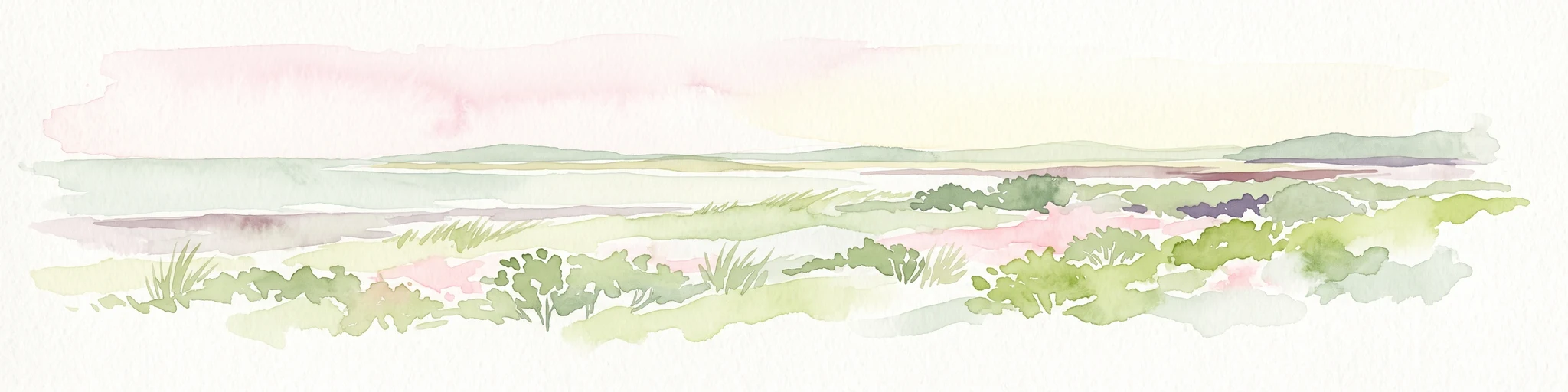
The landscape of Sable Island is defined by its dynamic nature as a constantly evolving sandbar ecosystem. The island's crescent shape stretches approximately 43 kilometers in length while never exceeding 1.21 kilometers in width, creating a slender barrier that rises only about 30 meters above sea level at its highest point. Extensive dune systems shape much of the island's interior, with American marram grass playing a critical role in stabilizing these shifting sands. The southern side of the island historically contained several freshwater ponds, though erosion has caused these to change significantly from year to year. The former Lake Wallace, once a brackish lake extending several miles in the island's center and used as an amphibious aircraft landing site during World War II, filled in entirely with sand by late 2011. The island's western shore faces continuous erosion while the eastern shore gains new sand deposits, a process accelerated by the powerful nor'easters and hurricanes that frequently strike the area. The surrounding waters are characterized by treacherous sand bars, strong currents, and the collision of the cold Labrador Current with the warm Gulf Stream, creating conditions that have made this stretch of ocean one of the most dangerous along the North American coast.
Sable Island National Park Reserve ecosystems, habitats, and plant life
The ecological character of Sable Island is defined by its harsh maritime environment and the specialized plant and animal communities that have adapted to these conditions. Vegetation consists primarily of grassland and heathland communities, with American marram grass dominating the open areas and playing an essential role in dune stabilization. Heathland communities feature low shrubs including black crowberry, northern bayberry, creeping juniper, Virginia rose, seaside goldenrod, sea pea, and American cranberry. The island has no native trees, and attempts to plant trees have universally failed, including a 1901 effort to plant over 80,000 trees and a 1960s planting that resulted in only a single Scots pine surviving, which eventually died. The island supports at least six endemic invertebrate species, including the Sable Island sweat bee, and several lepidopteran subspecies distinct from mainland populations. Freshwater ponds on the island's south side support unique invertebrate life, including a freshwater sponge now recognized as Racekiela ryderi.
Sable Island National Park Reserve wildlife and species highlights
Sable Island supports an extraordinary concentration of wildlife, making it one of Canada's most significant ecological hotspots despite its small size. The Sable Island horse population, estimated at over 500 individuals, represents a unique feral herd descended from horses left on the island after being confiscated from Acadians during the Great Expulsion in the 1750s and later left by Boston merchant Thomas Hancock. These horses are protected by law and exist in a completely wild state, roaming freely across the island's grasslands and beaches. The grey seal colony is the largest in the world, with approximately 87,500 pups born annually in recent surveys, up from just 200 to 300 pups in the 1960s. Harbour seals also breed on the island's shores. The island is an Important Bird Area supporting significant bird populations, including the Arctic tern and the Ipswich sparrow, a subspecies of the Savannah sparrow that breeds only on the island. The surrounding waters host various shark species, with Greenland sharks likely responsible for the corkscrew bite wounds occasionally found on dead seals. Historically, walrus once bred on the island before being hunted to extirpation in the northwestern Atlantic by the late 1800s.
Sable Island National Park Reserve conservation status and protection priorities
Sable Island National Park Reserve holds exceptional conservation significance on multiple levels. The park protects a unique sandbar ecosystem that is increasingly threatened by climate change, as rising sea levels and more frequent intense storms accelerate erosion and threaten the island's long-term existence. The Sable Island horse population has been protected from human interference since 1960 under the Canada Shipping Act, though debate continues about whether these non-native animals represent an invasive species conflicting with the ecological integrity goals of the National Parks Act. The grey seal colony represents a globally significant marine mammal population, while the island's role as an Important Bird Area protects critical breeding habitat for species found nowhere else. The establishment of the park reserve in 2013 included protection for the surrounding waters within one nautical mile, prohibiting oil and gas drilling in this zone. The park also preserves Canada's maritime heritage, with numerous shipwrecks embedded in the island's sands telling stories of tragedy and survival that have shaped Atlantic Canadian history.
Sable Island National Park Reserve cultural meaning and human context
Sable Island's cultural significance extends deeply into Atlantic Canadian identity and maritime heritage. The island has been referenced in the Constitution Act, 1867 as a specific federal responsibility, highlighting its unique status within Canadian governance. The Mi'kmaq people have historical connections to the region, and their stakeholders approved the park reserve establishment in 2013. The island's history as a life-saving station created a small community of rescue crews and lighthouse keepers who lived on the island for generations, with only two people born on Sable Island since 1920. The rescue station and its humanitarian mission, begun in 1801, created a continuous human presence that continues today through Parks Canada staff. The island has inspired extensive artistic and literary output, from early survival narratives of shipwreck survivors to modern documentaries, novels, photographs, and music. The horses have been featured in National Geographic articles and inspired Canadian stamps and coins. The island's unique radio entity status, with the call sign prefix CY0, makes it a sought-after destination for amateur radio operators conducting DX-peditions.
Top sights and standout views in Sable Island National Park Reserve
Sable Island offers several standout features that make it one of Canada's most distinctive protected areas. The wild horse population, roaming freely across the crescent-shaped sandbar, represents a living legacy of colonial history and has become an iconic symbol of the island. The winter grey seal congregation, with hundreds of thousands of animals breeding on the island's beaches, creates one of the most spectacular marine mammal displays in North America. The maritime history, with over 350 recorded shipwrecks embedded in the island's sands, has earned it the evocative nickname Graveyard of the Atlantic and continues to attract historians and maritime enthusiasts. The extreme fog conditions, averaging 127 days per year, create an otherworldly atmosphere unlike anywhere else in the Maritimes. The ecological significance extends to endemic species, particularly invertebrates, found nowhere else on Earth. The dynamic landscape, constantly reshaped by waves and storms, offers a rare opportunity to witness a naturally evolving barrier island ecosystem.
Best time to visit Sable Island National Park Reserve
The best time to visit Sable Island is during the summer months from June through August when the weather is warmest and access is most feasible. Daily maximum temperatures average around 20 degrees Celsius during these months, compared to near freezing in winter. Summer also brings the highest fog frequency, with July averaging 22 fog days, creating the iconic misty conditions that have shaped the island's character. Visitors should note that access requires specific permission from Parks Canada and is not available to the general public. The summer months coincide with the peak of research activity and the highest staff presence on the island. Those interested in wildlife viewing may want to consider the winter months for grey seal pupping season, though access during this period is extremely limited. The island's position in the path of Atlantic storms means that weather conditions can change rapidly, and the hurricane season from August through October brings the most powerful weather systems. Winter temperatures are relatively mild compared to mainland Nova Scotia due to Gulf Stream influence, but conditions are harsh and access is restricted.