Why Saddle Peak National Park stands out
Saddle Peak National Park is best known for protecting Saddle Peak, the highest mountain in the Andaman and Nicobar Islands, which dominates the landscape of North Andaman. The park is particularly notable for its endemic plant species, including Scolopia pusilla and Cleistanthus robustus, which are found only in these islands and represent botanical significance for conservation. The protected area also serves as a refuge for saltwater crocodiles, one of the largest living reptiles, which inhabit the coastal and wetland areas within and adjacent to the park boundaries. The combination of mountain forest, tropical vegetation, and coastal ecosystems makes this park a distinctive conservation area within the Indian subcontinent.
Saddle Peak National Park history and protected-area timeline
Saddle Peak National Park was established in 1979 as part of India's expanding network of protected areas during the late 20th century. The creation of the park reflected growing recognition of the Andaman and Nicobar Islands' ecological significance and the need to preserve unique island ecosystems from development pressures. The park was designated with the intention of protecting the forests around Saddle Peak, the dominant geographical feature of North Andaman Island. Prior to formal protection, the area had experienced logging and land conversion, and the establishment of the national park provided legal framework for safeguarding the remaining natural vegetation and wildlife. The park's IUCN category II designation places it among India's national parks that are managed primarily for ecosystem conservation and public recreation.
Saddle Peak National Park landscape and geographic character
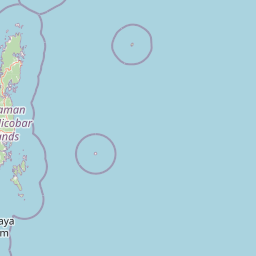
The landscape of Saddle Peak National Park is defined by its mountainous terrain centered on Saddle Peak, which rises as the highest point in the Andaman and Nicobar Islands archipelago. The mountain and its surrounding slopes are covered in dense tropical vegetation that transitions from evergreen forest on the wetter slopes to semi-evergreen and deciduous forest types in drier areas. The park's terrain includes steep ridgelines descending from the peak, valleys that channel seasonal water flow, and lower slopes that approach coastal areas. The underlying volcanic geology of the Andaman island chain has shaped the landforms, with ancient volcanic rocks contributing to the soil conditions that support the lush vegetation. The overall visual character combines the dense green canopy of tropical forest with the stark rocky outcrops and exposed terrain that characterize the peak itself.
Saddle Peak National Park ecosystems, habitats, and plant life
The ecological character of Saddle Peak National Park reflects its location in a tropical island setting with moist conditions supporting luxuriant vegetation. The park contains moist tropical vegetation and deciduous evergreen forest that covers the slopes and valleys surrounding Saddle Peak. The forest supports a complex community of plant species adapted to the island's climate, with high humidity and abundant rainfall during the monsoon season. Two plant species of particular note occur within the park: Scolopia pusilla and Cleistanthus robustus, both endemic to the Andaman and Nicobar Islands and not found on the Indian mainland. This endemism makes the park botanically significant, as these species represent evolutionary lineages confined to this island group. The combination of forest types, from evergreen to semi-deciduous, creates a heterogeneous habitat that supports diverse ecological communities.
Saddle Peak National Park wildlife and species highlights
Saddle Peak National Park is home to several notable animal species that inhabit its forest and coastal environments. The Andaman wild pig is among the mammals found within the park, representing a subspecies adapted to island conditions. Birdlife includes the Andaman hill myna, a vocal and distinctive thrush known for its ability to mimic sounds, and the Andaman imperial pigeon, a large fruit-eating dove that feeds on forest fruits. The park's reptile fauna includes the saltwater crocodile, one of the world's largest reptiles, which occurs in coastal waters and mangrove areas bordering the protected area. Water monitors, large lizards that are skilled swimmers, also inhabit wetland areas within the park. Marine mammals including dolphins and whales are reported in the waters surrounding North Andaman Island, suggesting the park's coastal boundaries provide habitat for these species as well.
Saddle Peak National Park conservation status and protection priorities
Saddle Peak National Park plays an important role in conserving the unique ecosystems of the Andaman and Nicobar Islands, an archipelago with high levels of endemism. The protection of forest areas around Saddle Peak preserves habitat for endemic plant species and island-adapted wildlife populations. The park's designation as an IUCN Category II protected area reflects its primary management objective of ecosystem conservation, maintaining the natural forests and the species they support. The presence of endangered species such as the saltwater crocodile adds conservation significance, as this species faces threats from habitat loss and human conflict across its range. The protected status helps buffer the island's forest ecosystems from development pressures that might otherwise convert natural areas to agriculture or infrastructure. Maintaining connectivity between forest areas on North Andaman Island supports wildlife populations and preserves the ecological processes that sustain biodiversity in this isolated island setting.
Top sights and standout views in Saddle Peak National Park
Saddle Peak National Park protects the highest peak in the Andaman and Nicobar Islands, offering a mountainous backdrop to one of India's most remote island national parks. The park contains endemic plant species found nowhere else in the world, specifically Scolopia pusilla and Cleistanthus robustus, which are confined to these islands. Saltwater crocodiles inhabit the coastal areas bordering the park, representing one of the largest reptile species within India's protected areas. The combination of tropical forest, mountain terrain, and coastal ecosystems creates a diverse protected landscape on this isolated Indian Ocean archipelago.
Best time to visit Saddle Peak National Park
The best time to visit Saddle Peak National Park falls outside the monsoon season, with the period from November through April offering more favorable conditions for exploration. The monsoon season from June to October brings heavy rainfall to North Andaman Island, which can restrict access and make outdoor activities challenging. The pre-monsoon months of March and April feature warmer temperatures but generally clear conditions. Visitors should be aware that the park's remote island location requires travel by sea or air to reach the Andaman archipelago, and access within the park may be limited by infrastructure and seasonal conditions.