Why Sarigua National Park stands out
Sarigua National Park is best known for its unusual desert environment within Panama and for the dramatic ecological story of a former rainforest transformed into arid terrain through deforestation. The park also preserves important archaeological sites with pre-Columbian rock carvings and evidence of ancient settlements, making it significant for both ecological and cultural reasons. Its landscape of semi-arid hills, dry valleys, and sparse vegetation creates a striking visual contrast to the surrounding tropical regions of Panama, offering visitors a rare glimpse into how dramatically human activity can reshape an ecosystem.
Sarigua National Park history and protected-area timeline
The history of Sarigua National Park is fundamentally tied to the transformation of its landscape from forested terrain to desert. Before European colonization, the Azuero Peninsula supported dry tropical rainforest that provided resources for indigenous communities. The transformation began with the arrival of Spanish colonists and accelerated over subsequent centuries as forests were cleared for agriculture, livestock grazing, and timber extraction. By the time the area was formally protected as a national park, the original rainforest ecosystem had been largely lost, leaving behind the arid conditions that characterize the landscape today. The establishment of the park represented an effort to preserve what remained of the area's ecological character and to protect the significant archaeological sites found within its boundaries. The park's creation also reflected growing recognition of the need to address historical environmental degradation and preserve sites of cultural significance for future generations.
Sarigua National Park landscape and geographic character
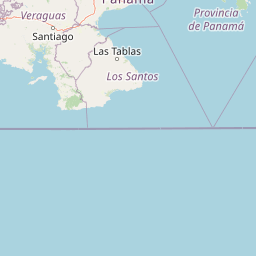
The landscape of Sarigua National Park presents an unusual sight within Panama's generally verdant terrain. The terrain consists of rolling hills and dry valleys characterized by semi-arid conditions, sparse vegetation, and soils that show the effects of severe erosion following forest removal. Unlike the tropical rainforests that dominate much of Panama, the park's landscape features vegetation adapted to drought conditions, including cacti, dry scrub, and grasses that can survive with limited rainfall. The geology of the peninsula includes rock formations that have yielded archaeological artifacts, with the stony terrain contrasting sharply with the muddy river valleys found in other parts of Panama. The park's desert-like appearance creates an almost surreal environment that challenges visitors' expectations of what a tropical Central American landscape should look like, making the area both ecologically significant and visually striking.
Sarigua National Park ecosystems, habitats, and plant life
The nature of Sarigua National Park reflects its transformed state, with the ecosystem now representing a desert environment that exists in stark contrast to Panama's typical tropical rainforests. The park's flora consists of drought-resistant species adapted to semi-arid conditions, including various cacti species, thorny shrubs, and dry-season deciduous trees. The transformation from rainforest to desert illustrates the profound impact that deforestation can have on local ecosystems, fundamentally altering rainfall patterns, soil stability, and the species that can survive in an area. While the park no longer supports the diverse rainforest wildlife that once inhabited the area, the current ecosystem demonstrates ecological resilience and provides opportunities to study how species adapt to changing environmental conditions. The park's nature serves as a living demonstration of environmental change and the importance of forest conservation.
Sarigua National Park wildlife and species highlights
The wildlife of Sarigua National Park reflects the harsh conditions of its desert environment, with species composition differing significantly from the diverse fauna found in Panama's rainforest parks. The park supports wildlife adapted to semi-arid conditions, including various reptile species, small mammals, and bird species that have adapted to the sparse vegetation and dry climate. While the biodiversity is lower than what would be expected in a intact tropical forest, the park still provides habitat for species capable of surviving in challenging conditions. The contrast between Sarigua's wildlife and that of Panama's wetter protected areas highlights how dramatically ecosystem transformation affects animal communities, with the park serving as an important site for understanding how fauna respond to habitat change and environmental degradation.
Sarigua National Park conservation status and protection priorities
Sarigua National Park represents an important conservation case study in Panama, demonstrating both the challenges of restoring degraded ecosystems and the value of protecting areas with significant cultural and ecological value. The park's transformation from rainforest to desert illustrates the lasting consequences of deforestation and provides a stark example of why forest conservation is critical. Conservation efforts at the park focus on protecting the remaining archaeological sites and preventing further environmental degradation, though full ecosystem restoration remains difficult given the extent of historical forest loss. The park also serves an educational function, helping visitors and local communities understand the importance of sustainable land use and the long-term consequences of environmental destruction. Its designation as a national park reflects Panama's commitment to preserving sites of both ecological and cultural significance.
Sarigua National Park cultural meaning and human context
The cultural context of Sarigua National Park is defined by the significant archaeological evidence of pre-Columbian human activity in the area. Before the landscape transformed into its current desert state, the Azuero Peninsula supported indigenous communities whose presence is evidenced by rock carvings, pottery fragments, and other artifacts found throughout the park. These archaeological sites represent the cultural heritage of indigenous peoples who inhabited the region for centuries before Spanish colonization. The park provides an opportunity to preserve and study these cultural remains while also educating visitors about the history of human settlement on the Azuero Peninsula. The intersection of ecological transformation and cultural heritage makes Sarigua unique among Panama's protected areas, combining natural and historical significance in a single landscape.
Top sights and standout views in Sarigua National Park
The most compelling highlights of Sarigua National Park include its unusual desert landscape, which offers a rare example of semi-arid terrain within Panama's predominantly tropical environment. The park's archaeological sites featuring pre-Columbian rock carvings provide a tangible connection to the region's indigenous heritage and offer visitors the chance to explore ancient cultural artifacts. The park's story of ecological transformation from rainforest to desert serves as a powerful demonstration of human impact on natural ecosystems and provides important lessons about environmental stewardship. Visitors can experience a landscape that challenges typical expectations of Central American environments while learning about the historical processes that shaped the current terrain.
Best time to visit Sarigua National Park
The best time to visit Sarigua National Park coincides with Panama's dry season, which typically runs from mid-December through April. During these months, rainfall is minimal and visitors can explore the park's terrain more comfortably, though the desert environment means that temperatures can be warm even during the dry season. The dry conditions also provide better visibility for viewing archaeological sites and appreciating the landscape's distinctive character. The wet season from May through November brings increased rainfall that can make some trails difficult to navigate and may limit access to certain areas of the park. Planning a visit during the dry season allows for the most comfortable exploration of the park's unique combination of desert scenery and archaeological sites.