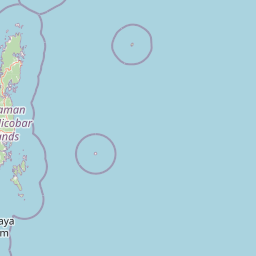
Why South Button Island National Park stands out
South Button Island National Park is best known for its remarkably accessible shallow-water coral reefs, which rank among the most visitor-friendly diving and snorkeling sites in the Andaman Islands. The park's proximity to the surface reef systems, reaching depths of just 1.8 meters, allows even casual snorkelers to encounter vibrant tropical marine life. The island also supports significant populations of marine megafauna including dugongs, sea turtles, dolphins, and occasional blue whale sightings. Despite its small size, the island serves as a breeding ground for endangered sea turtles and hosts endemic bird species including a subspecies of the edible-nest swiftlet and the distinctive white-bellied sea eagle.
South Button Island National Park history and protected-area timeline
South Button Island was designated as a national park as part of India's expanding network of protected areas during the late twentieth and early twenty-first centuries. The creation of the national park status reflected growing recognition of the Andaman and Nicobar Islands' unique ecological character and the need to protect their marine and terrestrial environments from development pressures. The island was incorporated into the broader Rani Jhansi Marine National Park framework, which was established to provide coordinated conservation management for the marine environments surrounding the Button Islands. This marine park designation acknowledges that the ecological integrity of small islands like South Button depends fundamentally on the health of surrounding waters and reef systems. The park's establishment also responded to the region's vulnerability to natural disturbances and the importance of protected areas in maintaining ecological resilience.
South Button Island National Park landscape and geographic character
South Button Island presents a classic tropical island landscape characterized by dense vegetation covering a relatively flat terrain typical of small Andaman islands. The island's forest cover consists primarily of tropical evergreen and semi-evergreen species adapted to the island's humid environment. The surrounding marine environment features extensive coral reef platforms that extend from the shoreline into relatively shallow waters, creating ideal conditions for coral growth and marine biodiversity. The reef systems are notable for their accessibility, with vibrant coral formations visible at depths that allow easy observation by snorkelers. The island's coastline is fringed by these reef systems, which moderate wave energy and create calm nearshore waters. The surrounding ocean depths increase relatively quickly beyond the reef flat, providing habitat for larger marine species while maintaining the reef's protective function.
South Button Island National Park ecosystems, habitats, and plant life
The ecosystem of South Button Island represents a transitional zone between terrestrial forest and marine reef environments, each supporting distinct yet interconnected biological communities. The island's vegetation includes tropical forest species such as rattan palm, climbing bamboo, and various dipterocarp trees, creating a green canopy that shelters terrestrial and semi-terrestrial species. However, the island's limited land area prevents the establishment of significant populations of large terrestrial mammals. The marine environment constitutes the heart of the park's ecological significance, with coral reef communities supporting extraordinary biodiversity. These reefs exist in optimal conditions due to the shallow depths and clear waters that characterize the island's surrounding seas. The reef systems provide habitat, feeding grounds, and breeding areas for countless marine species, from small reef fish to large marine mammals.
South Button Island National Park wildlife and species highlights
The wildlife of South Button Island is overwhelmingly marine-focused, reflecting both the island's small terrestrial area and the exceptional quality of its surrounding waters. The coral reefs support diverse fish communities including snappers, sweetlips, lionfish, angelfish, butterflyfish, and barracuda, creating a colorful underwater environment. Larger marine species regularly transit the island's waters, with dolphin pods commonly observed and occasional blue whale sightings reported. Sea turtles, including both green and hawksbill species, use the island's beaches and surrounding waters, with the area serving as a breeding ground. The endangered dugong, a marine mammal dependent on seagrass beds, has been recorded in the waters around the island. Birdlife includes the white-bellied sea eagle, a distinctive raptor species often observed soaring over the island, and an endemic subspecies of the edible-nest swiftlet that nests in the island's vegetation. The reef systems also support diverse invertebrate communities including nudibranchs, octopuses, and various shrimp species.
South Button Island National Park conservation status and protection priorities
South Button Island National Park represents a critical node in the conservation framework for the Andaman and Nicobar Islands' marine environments. As part of the Rani Jhansi Marine National Park, the island benefits from coordinated management approaches that address the interconnected nature of island and marine ecosystems. The park's small size places it among India's smallest national parks, yet its coral reef systems and marine biodiversity contribute disproportionately to regional conservation outcomes. The protection status helps regulate visitor access and activities, particularly limiting the potential damage from anchoring, coral collection, and other activities that could harm reef systems. Conservation challenges include managing the tension between tourism value and ecological sensitivity, as the same accessible reef conditions that make the island popular also create vulnerability to impact.
South Button Island National Park cultural meaning and human context
South Button Island exists within the broader cultural landscape of the Andaman and Nicobar Islands, an archipelago with a complex history of indigenous habitation and colonial administration. The Andaman Islands have been home to various indigenous peoples for thousands of years, though the specific cultural connections to individual small islands like South Button are not well documented in available sources. The islands' strategic location in the Bay of Bengal led to significant colonial involvement, with the British establishing penal settlements in the nineteenth century. Today, the islands exist as a Union Territory of India, with the indigenous Andamanese peoples maintaining distinct identities alongside the settler population. The establishment of national parks like South Button Island reflects a modern conservation ethic that balances ecological preservation with controlled public engagement.
Top sights and standout views in South Button Island National Park
The defining highlight of South Button Island National Park is its remarkably accessible shallow coral reef system, where vibrant tropical coral communities thrive at depths as shallow as 1.8 meters, creating one of the most visitor-friendly snorkeling and scuba diving experiences in the Andaman archipelago. The park's marine megafauna presence, including regular dolphin sightings, sea turtle breeding activity, and occasional blue whale encounters, provides wildlife viewing opportunities rare in most protected areas. Despite being India's smallest national park, it protects a complete island-marine ecosystem that demonstrates how small protected areas can deliver significant conservation value. The island serves as a sanctuary for endemic bird species including a subspecies of the edible-nest swiftlet and the distinctive white-bellied sea eagle.
Best time to visit South Button Island National Park
The optimal time to visit South Button Island National Park runs from December through April, when the northeast monsoon brings drier conditions and calmer seas to the Andaman region. This period coincides with the post-monsoon season when water visibility reaches its annual peak, often exceeding 20 meters, making underwater exploration of the coral reefs exceptionally rewarding. Average temperatures during these months range from 20 to 30 degrees Celsius, providing comfortable conditions for island exploration and water activities. The southwest monsoon season from June through October brings heavy rainfall and rougher sea conditions, with many operators suspending services during this period. Visiting during the transitional months of November and early December offers a balance between improving conditions and fewer visitors, though weather patterns can be less predictable.