Why Tanjung Puting National Park stands out
Tanjung Puting National Park is renowned as one of the most important orangutan habitats in the world, protecting substantial populations of these critically endangered great apes within its tropical forest landscapes. The park's extensive peat swamp forests, among the most significant in Borneo, serve as critical carbon stores and provide unique habitat conditions that support a distinctive ecological community. The reserve is also famous for its population of Proboscis monkeys, whose distinctive large noses and elaborate social behaviors make them a highlight for visitors exploring the park's river systems and mangrove areas. The park's Camp Leakey research station, established in 1971, has become synonymous with orangutan conservation research and has contributed enormously to understanding of wild orangutan behavior, cognition, and ecology.
Tanjung Puting National Park history and protected-area timeline
The conservation history of Tanjung Puting dates back to 1935, when the area was first designated as the Tanjung Puting Game Reserve, one of the earliest protected area designations in Indonesian Borneo. This initial protection reflected growing recognition of the region's biological significance and the need to preserve its wildlife populations, particularly large mammals and valuable timber species. The reserve was expanded and redesignated multiple times over the following decades as conservation priorities evolved and understanding of the area's ecological importance deepened. In 1985, Tanjung Puting was formally elevated to national park status, providing stronger legal protection and incorporating additional areas into the protected landscape. The establishment of Camp Leakey research station in 1971 marked a pivotal moment in the park's history, transforming the reserve into a center for scientific research and contributing substantially to the global understanding of orangutan biology and behavior. The park has since become a focal point for international conservation efforts and serves as a model for community-based conservation approaches in tropical forest environments.
Tanjung Puting National Park landscape and geographic character
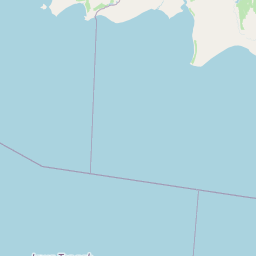
The landscape of Tanjung Puting National Park is characterized by its remarkable diversity of habitats arranged across a relatively compact geographic area. The park's core features include the Tanjung Puting peninsula itself, a landform that creates extensive coastlines along the Java Sea and contains a complex mixture of mangrove forests, beach forests, and inland forest types. The park's interior is dominated by extensive peat swamp forests, where organic material has accumulated over millennia in waterlogged conditions, creating deep peat deposits that store significant quantities of carbon and create challenging conditions for human settlement. Rivers including the Sekonyer River and its tributaries drain the park's interior, providing navigation routes that allow access to the heart of the forest and creating riparian corridors that support distinctive ecological communities. The landscape also includes heath forests on older beach ridges, grasslands that create a savanna-like appearance in some areas, and estuarine environments where fresh and salt water mix to support specialized mangrove ecosystems.
Tanjung Puting National Park ecosystems, habitats, and plant life
The ecological character of Tanjung Puting National Park is defined by its extensive peat swamp forests, which represent one of the most distinctive and ecologically important forest types in Southeast Asia. These waterlogged forests support trees adapted to permanent saturation, including species of rattan, pandanus, and dipterocarp trees that have evolved specialized root systems to survive in anaerobic soil conditions. The forest structure in peat swamp areas creates a complex three-dimensional environment with multiple canopy layers, epiphytic plants, and lianas that support extraordinary biodiversity. The park's position along major Flyway routes for migratory birds adds another dimension to its ecological significance, with seasonal movements of waterfowl and shorebirds creating dynamic bird communities throughout the year. The interaction between terrestrial and aquatic ecosystems along the park's rivers and in its mangrove zones creates productive environments that support high biological productivity and unusual species assemblages found in few other locations.
Tanjung Puting National Park wildlife and species highlights
The wildlife of Tanjung Puting National Park is dominated by its remarkable populations of Bornean orangutans, the largest arboreal mammals in the world and one of humanity's closest living relatives. These intelligent primates inhabit the park's forest canopies in significant numbers, with population estimates suggesting several thousand individuals persist within the protected area. The park supports both orangutan populations that have been studied for decades at Camp Leakey and surrounding areas, as well as more remote populations in the park's interior regions. Proboscis monkeys represent another signature species, with their distinctive elongated noses and complex social structures making them a highlight of wildlife viewing experiences along the park's river systems. The primate community also includes several species of gibbons, langurs, and macaques that occupy different ecological niches within the forest. Birdlife is exceptionally diverse, with over 300 species recorded including numerous hornbills, kingfishers, and waterbirds that utilize the park's various habitat types.
Tanjung Puting National Park conservation status and protection priorities
Tanjung Puting National Park represents a cornerstone of conservation efforts in Indonesian Borneo, protecting some of the last significant tracts of intact peat swamp forest in the region. The park's conservation significance extends beyond its boundaries through its role in protecting watersheds, storing carbon, and providing habitat for species that require large continuous forest areas to maintain viable populations. Peat swamp forests within the park store enormous quantities of carbon, making their preservation critically important for global climate regulation and demonstrating the intimate connection between forest conservation and climate change mitigation. The park's long history as a research site has generated substantial scientific knowledge about tropical forest ecology, orangutan behavior, and conservation biology, contributing to conservation strategies applied across Borneo and beyond. Management challenges include addressing illegal logging, preventing forest fires during dry seasons, and balancing conservation objectives with the needs of local communities who have historically depended on the forest for their livelihoods.
Tanjung Puting National Park cultural meaning and human context
The lands and waters of Tanjung Puting National Park are located within the traditional territory of the Dayak communities, the indigenous peoples of Central Kalimantan who have inhabited Borneo for thousands of years. These communities maintain deep connections to the forest environment, with traditional land use practices, spiritual beliefs, and cultural identities intimately tied to the landscapes now protected within the park. The establishment of the national park has required ongoing negotiation between conservation objectives and the rights and livelihoods of these local communities, reflecting broader challenges in managing protected areas across Southeast Asia. The park's rivers and waterways have served as transportation corridors and sources of food and other resources for local populations, creating cultural landscapes where human communities and natural environments have co-evolved over generations. Contemporary management approaches increasingly emphasize community involvement and benefit-sharing to ensure that local people have incentives to support conservation efforts.
Top sights and standout views in Tanjung Puting National Park
Tanjung Puting National Park offers visitors exceptional opportunities to observe wild orangutans in their natural forest habitat, with guided treks and boat trips providing access to areas where these great apes can be seen foraging, socializing, and moving through the canopy. The park's Camp Leakey area has become an iconic destination for wildlife enthusiasts, offering access to research activities and the chance to observe orangutan behavior at close range in a wild setting. River journeys through the park's waterways provide opportunities to observe Proboscis monkeys in mangrove forests, spot various waterbirds, and experience the unique atmosphere of Borneo's swamp forest environments. The park's biodiversity extends beyond primates to include numerous other mammal species, reptiles, amphibians, and invertebrates that contribute to its ecological richness. The experience of traveling by traditional wooden boats through the park's winding rivers, with forest towering overhead and wildlife visible along the banks, represents a distinctive adventure that combines wildlife viewing with immersion in one of Southeast Asia's most fascinating forest environments.
Best time to visit Tanjung Puting National Park
The optimal time to visit Tanjung Puting National Park generally falls during the dry season, which typically extends from approximately March through October, when rainfall is reduced and river conditions are more favorable for boat travel and wildlife observation. During dry months, wildlife tends to concentrate more visibly around water sources, making animals easier to observe along rivers and at feeding areas. The wet season from November through February brings higher rainfall and can affect accessibility of some areas, though the forest takes on a different character and the experience of its waterways during this period has its own appeal. Regardless of season, visitors should be prepared for tropical conditions with high humidity and temperatures, and should plan for the possibility of rainfall even during generally dry periods. The park's popularity means that advance booking of accommodation and research station access is advisable, particularly during peak visitor seasons.