Why Umm Tais National Park stands out
Umm Tais National Park is best known as one of the primary hawksbill sea turtle nesting sites in Qatar, making it significant for marine reptile conservation in the Gulf region. The park also protects one of the few mangrove areas in Qatar, creating a unique coastal wetland ecosystem that supports biodiversity in an otherwise arid landscape. The combination of mangroves, sand bars, and islets forms a distinctive island environment that attracts migratory bird species and provides important coastal habitat.
Umm Tais National Park history and protected-area timeline
Umm Tais National Park was established in 2006 during the 15th Asian Games, which were hosted by Qatar's capital Doha. The timing of its creation as part of a major international sporting event reflects Qatar's broader effort to use such occasions to advance environmental protection initiatives. The establishment of this protected area marked an important step in Qatar's approach to coastal and island conservation, recognizing the ecological value of these environments even in a small desert nation. The park was created to protect both the natural habitats and the wildlife populations that depend on the island's coastal ecosystems.
Umm Tais National Park landscape and geographic character
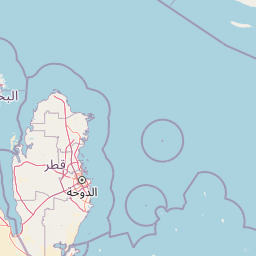
The park occupies a small uninhabited island at the northern tip of Qatar, characterized by a landscape shaped by coastal and marine processes. Sand bars extend along parts of the island's coastline, creating shallow water environments and beach zones. Small islets surround the main island, adding to the complexity of the coastal geography. The most distinctive landscape feature is the mangrove stands that grow along certain shoreline areas, representing one of the few forested wetland environments in Qatar. These mangroves thrive in the intertidal zones, creating a unique coastal forest ecosystem that contrasts sharply with the surrounding desert terrain.
Umm Tais National Park ecosystems, habitats, and plant life
Umm Tais National Park protects one of Qatar's most ecologically significant coastal environments. The mangrove ecosystems represent a rare habitat type in the region, providing structure and shelter for various marine species and creating a productive coastal wetland system. These mangroves function as nurseries for fish and invertebrates, filter coastal waters, and stabilize shorelines. The park's location along the Gulf coast positions it within a broader marine environment that supports diverse species. The combination of intertidal mangrove areas, sand bars, and islets creates a mosaic of coastal habitats that support both marine and terrestrial biodiversity.
Umm Tais National Park wildlife and species highlights
The wildlife of Umm Tais National Park centers on two particularly significant groups: nesting sea turtles and migratory birds. The park is one of the main hawksbill sea turtle nesting sites in Qatar, making it critically important for the conservation of this endangered marine reptile species in the Gulf region. Hawksbill turtles return to the island's beaches to lay their eggs, and the protection afforded by the national park status helps safeguard these nesting activities. Beyond sea turtles, the island hosts a number of migratory bird species that use the coastal habitats as stopover points or seasonal feeding grounds. The mangrove environments provide important bird habitat, while the shoreline and shallow waters attract various waterfowl and shorebird species.
Umm Tais National Park conservation status and protection priorities
Umm Tais National Park serves as an important conservation node in Qatar's protected areas network. The park's designation protects one of the nation's most significant hawksbill sea turtle nesting sites, contributing to regional efforts to conserve this endangered species. The mangrove habitats within the park represent protected coastal wetland environments that would be highly vulnerable to development without conservation status. By establishing the park in 2006, Qatar created a legal framework for protecting these coastal ecosystems and the wildlife populations they support. The park contributes to Qatar's environmental commitments and provides a model for coastal and island conservation in desert nations.
Umm Tais National Park cultural meaning and human context
While primarily valued for its natural resources, Umm Tais National Park has contextual connections to human heritage through nearby archaeological features. The ruins of an ancient village known as Al Mafjar are located in proximity to the park, representing pre-modern human settlement in this coastal area of Qatar. These ruins indicate that the northern peninsula has supported human communities in the past, likely drawn to the same coastal resources that make the area ecologically significant today. Plans to develop Al Mafjar as a tourist attraction suggest potential for integrating cultural and natural heritage in the park's future visitor experience.
Top sights and standout views in Umm Tais National Park
Umm Tais National Park stands out as Qatar's primary hawksbill sea turtle nesting sanctuary, offering important conservation value for this endangered species. The park protects rare mangrove environments that create productive wetland habitats rare in the Gulf region. Its island location provides a distinctive coastal landscape of sand bars, islets, and tidal zones different from Qatar's desert interior. The proximity to ancient village ruins at Al Mafjar adds potential for cultural exploration alongside natural observation. The park represents one of Qatar's few protected coastal and island environments, making it distinctive in the nation's conservation portfolio.
Best time to visit Umm Tais National Park
Visiting Umm Tais National Park is best considered within the cooler months of Qatar's winter season, from roughly November through March, when temperatures are more comfortable for outdoor activities in the coastal environment. The summer months bring extreme heat and humidity to Qatar's coast, making outdoor exploration less pleasant. Wildlife viewing opportunities, particularly for nesting sea turtles and migratory birds, may vary seasonally, with different species present at different times of year. As the park is on an island and involves marine environments, weather conditions affect accessibility and comfort.