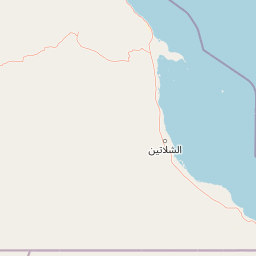
Why Wadi El Gamal National Park stands out
Wadi El Gamal National Park is known for its pristine desert mountain environment, deep wadi systems, and remote wilderness character along Egypt's Red Sea coast. The park protects a section of the Eastern Desert that remains one of the country's less-accessible protected areas, offering a contrasting experience to Egypt's more famous archaeological and coastal destinations.
Wadi El Gamal National Park history and protected-area timeline
Wadi El Gamal National Park was established as part of Egypt's expanding network of protected areas. The country's national park system has grown since the 1980s to encompass diverse ecological zones, and the Eastern Desert parks were created to address the conservation needs of this arid yet biodiverse region. The establishment of the park reflected growing recognition that Egypt's desert environments, while seeming barren, support specialized ecosystems and species found nowhere else.
Wadi El Gamal National Park landscape and geographic character
The landscape of Wadi El Gamal National Park is defined by the dramatic terrain of the Eastern Desert, characterized by rugged mountain ranges, steep-sided wadis, and rocky plateaus. The wadi system that gives the park its name cuts through the desert terrain, creating a corridor of slightly more accessible terrain amid the otherwise imposing mountains. The landscape features the distinctive color palette of desert environments, with red and orange hues dominating the sandstone formations and granite peaks. The terrain transitions from the higher elevation interior zones down toward the coastal plain near the Red Sea.
Wadi El Gamal National Park ecosystems, habitats, and plant life
The ecological character of Wadi El Gamal National Park reflects the extreme aridity of Egypt's Eastern Desert. Vegetation is sparse and specialized, consisting primarily of drought-resistant plants adapted to survive on minimal moisture. Desert succulents, thorny shrubs, and ephemeral plants that briefly bloom following rare rainfall events characterize the park's plant life. The wadi corridors occasionally support more lush vegetation where groundwater surfaces, creating localized zones of higher productivity. These riparian zones provide critical habitat for desert wildlife and represent biodiversity hotspots within the arid landscape.
Wadi El Gamal National Park wildlife and species highlights
Wildlife in Wadi El Gamal National Park is representative of desert-adapted species found throughout the Eastern Desert. Reptiles including various lizard and snake species thrive in the rocky terrain, having evolved behaviors and physiological adaptations to regulate body temperature in the extreme heat. Small mammals such as desert rodents, hedgehogs, and foxes inhabit the wadi systems and rockpile shelters. Birdlife, while limited compared to more fertile regions, includes species adapted to desert conditions, with raptors utilizing the mountain cliffs for nesting sites and migratory birds occasionally passing through the wadi corridors.
Wadi El Gamal National Park conservation status and protection priorities
Wadi El Gamal National Park represents Egypt's commitment to protecting its desert ecosystems within the national park framework. The protected area status provides legal framework for managing human activities, limiting development, and protecting the specialized habitats and species of the Eastern Desert. Conservation priorities for such desert parks focus on preventing habitat degradation from mining, overgrazing, and other pressures, while also protecting water sources and wadi systems that serve as ecological corridors.
Wadi El Gamal National Park cultural meaning and human context
The Eastern Desert has historically served as a route for trade and communication between the Nile Valley and the Red Sea coast. Ancient pathways traversed the wadi systems, and evidence of human presence in the region dates to various periods of Egyptian history. The desert communities that continue to inhabit parts of the Eastern Desert maintain traditional practices adapted to the challenging environment, including pastoral activities and seasonal movement patterns.
Top sights and standout views in Wadi El Gamal National Park
The Wadi El Gamal area offers visitors an authentic desert wilderness experience in one of Egypt's least-developed protected areas. The dramatic mountain scenery, traditional desert landscapes, and sense of remoteness distinguish this park from Egypt's more accessible destinations. For those seeking to experience the stark beauty of the Eastern Desert away from crowds, Wadi El Gamal provides a wilderness setting with genuine solitude and natural quiet.
Best time to visit Wadi El Gamal National Park
The optimal time to visit Wadi El Gamal National Park corresponds to the cooler months of the Egyptian winter, typically from October through April. During this period, daytime temperatures are more moderate and comfortable for outdoor exploration, while the risk of extreme heat is greatly reduced. Summer months can bring extremely high temperatures in the desert environment, making outdoor activities potentially dangerous during midday hours. Visitors should be prepared for the desert environment by carrying adequate water, sun protection, and appropriate clothing for both daytime conditions and cooler evenings.