Why Warra National Park stands out
Warra National Park is best known for its elevated position within the New England tablelands of New South Wales. The park protects representative samples of temperate forest ecosystems characteristic of this highland region. While not as widely recognized as larger national parks in the state, Warra provides conservation value by preserving native vegetation communities and associated wildlife in a landscape that has experienced modification from agricultural and pastoral activities in the surrounding area. The park offers a relatively accessible nature experience for visitors traveling between Sydney and northern New South Wales.
Warra National Park history and protected-area timeline
Warra National Park was officially declared as a national park in 1999, becoming part of New South Wales's protected area network managed by the NSW National Parks and Wildlife Service. The establishment of the park represented a commitment to preserving natural ecosystems in the New England region, where much of the landscape has been cleared for agriculture and pastoral use over the past two centuries. The declaration of this area as a national park followed a process of assessment and consultation typical of new protected area designations in New South Wales. As a relatively recent addition to the national park system, Warra represents modern conservation priorities in temperate highland environments.
Warra National Park landscape and geographic character
The landscape of Warra National Park is characterized by elevated terrain typical of the New England tablelands in northern New South Wales. The park sits at average elevations of approximately 3,773 feet (1,150 meters), placing it in a temperate highland environment with distinct seasonal variations. The terrain supports vegetation communities adapted to these cooler, elevated conditions. The surrounding region features a mix of native forests, cleared agricultural land, and rural properties, with the protected area providing a core preserve of relatively intact natural landscape within a modified wider environment.
Warra National Park ecosystems, habitats, and plant life
The natural environment of Warra National Park reflects the temperate highland ecosystems of the New England region. The park protects vegetation communities typical of elevated areas in northern New South Wales, including native forests and associated understory species adapted to the cooler climate at higher elevations. These ecosystems provide habitat for a range of native wildlife, supporting biodiversity in a region where significant land clearing has occurred outside protected areas. The park's protected status ensures that representative examples of local vegetation communities are maintained for conservation purposes.
Warra National Park wildlife and species highlights
While specific species details are limited in available sources, Warra National Park likely supports wildlife populations typical of New England tableland forests in New South Wales. The protected habitat provides refuge for various native species in a landscape where much of the surrounding area has been modified for agriculture. Birdlife, reptiles, mammals, and invertebrates associated with temperate forest habitats would be expected to occur within the park's boundaries, contributing to the overall biodiversity conservation value of the area.
Warra National Park conservation status and protection priorities
Warra National Park contributes to biodiversity conservation in the New England region of New South Wales by protecting a sample of intact temperate forest ecosystems. As an IUCN Category II protected area, the park is managed primarily for ecosystem conservation while allowing for visitor enjoyment and sustainable recreational use. The establishment of the park in 1999 added to the network of protected areas in northern New South Wales, helping to maintain habitat connectivity and preserve representative natural communities in a landscape where significant ecological modification has occurred. The NSW National Parks and Wildlife Service manages the area with the aim of protecting natural values while providing appropriate visitor opportunities.
Warra National Park cultural meaning and human context
The cultural context of Warra National Park relates to the broader history of European settlement and land use in the New England region of New South Wales. The area, like much of inland northern NSW, has been affected by clearing for agriculture, pastoral use, and rural development over the past two centuries. The formal protection of Warra as a national park in 1999 represents a relatively recent acknowledgment of the area's natural values, contrasting with the longer history of modification in the surrounding landscape. The park exists within the traditional Country of Aboriginal peoples, though specific cultural heritage details would require more detailed local sources.
Top sights and standout views in Warra National Park
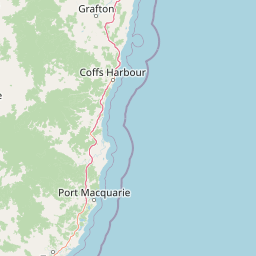
Warra National Park offers elevated temperate forest landscapes within the New England region, providing a protected wilderness experience in northern New South Wales. The park's position approximately 438 kilometers north of Sydney makes it accessible for day trips or longer visits from the state's largest city. The relatively modest size of the park allows for exploration of its trails and natural features within a compact area. The protected ecosystems represent increasingly rare examples of intact temperate highland forest in a region where extensive land clearing has occurred.
Best time to visit Warra National Park
The best time to visit Warra National Park would be during the spring and autumn months when temperatures are moderate and the park's vegetation is at its most visually appealing. Summer months can bring warm conditions to the New England tablelands, while winter may result in cold temperatures and possible frosts given the elevated terrain. Visitors planning trips should consider the seasonal weather patterns of northern New South Wales and check current conditions with the NSW National Parks and Wildlife Service before traveling.