Why Yankari National Park stands out
Yankari National Park is best known for its substantial populations of African bush elephants, which represent one of the last significant elephant herds in Nigeria. The park's warm water springs, particularly Wikki Warm Spring, are distinctive geological features that support unique micro-ecosystems and provide reliable water sources during the dry season, making wildlife observation particularly rewarding. The park serves as a critical refuge for the endangered lion population in Nigeria, classified as a Lion Conservation Unit. Its accessibility and established tourism infrastructure make it the premier destination for experiencing West African savanna wildlife, offering visitors the chance to see species like buffalo, hippos, various antelope species, and over 350 bird species in their natural habitat.
Yankari National Park history and protected-area timeline
The establishment of Yankari Game Reserve traces back to 1934 when the Northern Regional Committee first recommended creating a pilot game reserve in the Bauchi Emirate. This recommendation was influenced by the travels of Alhaji Muhammadu Ngeleruma, a minister in the former northern Nigeria Ministry of Agriculture and Natural Resources, who had been impressed by game reserves in East Africa during his visits to Sudan. After years of planning, the Northern Nigeria Government approved the creation of a Game Preservation area in 1956, identifying Yankari as a region in the south of Bauchi Province where large populations of wild animals naturally existed and could be protected. In 1957, the area was formally established as a Bauchi Native Authority Forest Reserve. The reserve officially opened to the public as a premier game reserve on December 1, 1962, becoming the first major protected area developed for tourism in Nigeria. The facility was managed first by the Northern Eastern State Government and later by the Bauchi State Government before transitioning to federal management. In 1991, Yankari was officially designated as Nigeria's national park through decree 36 of the National Government, recognizing its national importance. In the late 1990s, the park management began preservation projects for archaeological sites within the park, including ancient iron smelting sites and caves in the Delimiri and Ampara areas, to develop heritage tourism. However, in 2006, Yankari lost its national park status following a request from the Bauchi State Government, returning to its original designation as a game reserve while remaining under federal management through the National Park Service.
Yankari National Park landscape and geographic character
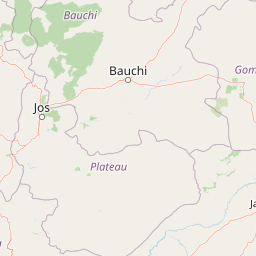
The physical landscape of Yankari National Park is characterized by gently rolling savanna terrain with scattered woodlands and prominent valleys formed by the Gaji, Yashi, and Yuli Streams. The park sits atop the Tertiary-aged Kerri Formation, a geological substrate composed of sandstone, siltstones, kaolinites, and grits, while deeper layers contain Cretaceous-age materials including sandstones, sediment stones, and ironstones. The valley floors contain alluvial deposits that support richer soils and more dense vegetation, creating contrast with the surrounding bush savanna. Several topographical features provide visitor vantage points, including the Kalban Slope offering panoramic views of the reserve, the Kariyo Slope near Marshal Caves serving as a scenic barbecue ground, and the Tonlong Canyon in the western section featuring a beautiful landscape of crevasses, buttes, and ledges. The park's natural warm water springs are among its most distinctive landscape features, with Wikki Spring being the most prominent, maintaining consistent temperatures year-round and creating unique wetland environments amid the broader savanna setting. Sandy advances and clayey soils of riverine alluvium occur throughout the stream valleys, while a band of extremely poor sandy soils extends east of the Gaji valley, supporting distinctive bush savanna growth.
Yankari National Park ecosystems, habitats, and plant life
The ecological character of Yankari National Park reflects its position in the West African savanna biome, supporting a mix of grassland, woodland, and riparian habitats that create diverse ecological niches. The park's warm water springs are ecologically significant, creating permanent water sources that support lush vegetation and provide critical dry-season refuges for wildlife. These spring systems maintain temperatures that differ from the surrounding environment, supporting unique aquatic and semi-aquatic communities. The savanna landscape features a mosaic of open grassland areas interspersed with woodland patches, with the composition varying based on soil type and proximity to water sources. River valleys with alluvial soils support more dense vegetation including gallery forests along watercourses, while the broader savanna is characterized by various grass species and scattered trees. The park's biodiversity is substantial, with over 350 bird species recorded including residents, Palearctic migrants, and intra-African migrants, creating dynamic seasonal changes in avian populations. The combination of permanent water, varied habitat structure, and relatively protected status makes Yankari a significant ecological island in the Nigerian landscape.
Yankari National Park wildlife and species highlights
Yankari National Park supports remarkable wildlife diversity with over 50 mammal species documented within its boundaries. The park is particularly important for its African bush elephant population, representing one of the last significant elephant herds in Nigeria and a major draw for visitors. The lion population, while historically present, is now considered on the verge of extinction in the park, making Yankari a critical focus for lion conservation efforts in the country and part of a designated Lion Conservation Unit alongside Kainji National Park. Large mammals include African buffalo, hippopotamus, waterbuck, bushbuck, roan antelope, and hartebeest, with hippos particularly concentrated around the warm water springs where they can be observed year-round. Primate species are well represented, including olive baboon, patas monkey, and Tantalus monkey. The bird population exceeds 350 species, with approximately 130 resident species, 50 Palearctic migrants that visit during the northern winter, and the remainder being intra-African migrants moving locally within Nigeria. Notable bird species include saddle-billed stork, helmeted guineafowl, African grey hornbill, and cattle egret. The park's permanent water sources, particularly the warm springs, concentrate wildlife during the dry season, making wildlife observation particularly rewarding from around November through April when animals gather at water points.
Yankari National Park conservation status and protection priorities
Yankari National Park holds significant conservation importance for Nigeria and the broader West African region as the country's largest and most visited protected area. The park's designation as a Lion Conservation Unit since 2005, together with Kainji National Park, reflects its critical role in protecting Nigeria's remaining lion population, which faces severe pressure across the country. The elephant populations represent another conservation priority, as Nigeria has experienced significant declines in elephant numbers across other regions. The park's variety of habitats, from savanna grasslands to riparian woodlands and spring-fed wetlands, supports ecological communities that would otherwise be under severe pressure from agricultural expansion and human settlement. The warm water springs create unique micro-ecosystems that support species found nowhere else in the region. While the park has faced challenges including poaching pressures and the loss of national park status in 2006, it remains the cornerstone of Nigerian wildlife conservation and serves as a model for protected area management in the country. The archaeological sites within the park, including iron smelting furnaces and cave sites, add cultural conservation value to the ecological protection mandate.
Yankari National Park cultural meaning and human context
The landscape surrounding Yankari National Park is populated by farming and herding communities, though there has been no human settlement within the park itself for over a century, allowing wildlife to thrive in a relatively undisturbed environment. However, archaeological evidence reveals earlier human habitation within the park boundaries, most notably ancient iron smelting sites dating to earlier periods. More than fifty surviving furnace structures have been identified in the Delimiri and Ampara areas, representing prehistoric industrial activity that has been damaged by centuries of exposure to the elements. These sites provide evidence of human interaction with the landscape long before the establishment of the protected area. The park also contains cave formations that hold archaeological potential. In the late 1990s, park management initiated preservation projects for these archaeological sites to develop heritage tourism, recognizing that the combination of natural and cultural heritage could enhance the park's value as a destination and provide additional visitor interest beyond wildlife observation. The cultural context adds depth to the park's identity, showing human use and occupation of this landscape over extended historical periods.
Top sights and standout views in Yankari National Park
Yankari National Park offers several standout features that make it Nigeria's premier wildlife destination. The Wikki Warm Spring provides a year-round swimming opportunity in naturally heated waters, a unique feature among West African parks that also attracts wildlife in large numbers. The elephant herds represent the park's most impressive large mammal viewing opportunity, often observed in groups near water sources. The diverse birdlife, with over 350 species including saddle-billed storks and various raptors, makes Yankari a significant destination for birdwatching in the region. The park's established tourism infrastructure, including accommodation and guided safari experiences, makes it accessible for visitors without extensive prior planning. The landscape views from locations like the Kalban Slope provide sweeping panoramas across the savanna, while the Tonlong Canyon offers more dramatic terrain. The combination of wildlife viewing, natural springs, archaeological sites, and accessible infrastructure creates a multi-dimensional destination that serves visitors with varied interests.
Best time to visit Yankari National Park
The optimal time to visit Yankari National Park is during the dry season, typically from November through April, when wildlife viewing is most rewarding. During this period, the park's warm water springs become particularly important as water sources shrink elsewhere, concentrating animals at these permanent water points and making wildlife observation more predictable. The dry season also features the harmattan wind from the Sahara, which can bring dusty conditions but also clearer skies and cooler nighttime temperatures, ranging from around 12°C to comfortable daytime highs. The period from November to February offers the best combination of accessible wildlife and comfortable temperatures. The rainy season from May to September brings higher temperatures, ranging from 18°C to 35°C, and while the landscape becomes lush and green, wildlife disperses more widely and becomes harder to locate. The hottest period occurs in March and April when temperatures can exceed 40°C, making midday activities uncomfortable. Visitors seeking to combine wildlife viewing with comfortable conditions should plan for the early dry season, while those interested in photography may find the green season offers different visual appeal despite reduced animal visibility.